

Family dental insurance is a health coverage plan that reduces out-of-pocket costs by sharing dental expenses between your insurer and your household, covering preventive, basic, and major services under a structured cost-sharing model. Understanding how dental insurance works for families means knowing five core elements: monthly premiums, deductibles, coinsurance percentages, annual maximums, and provider networks. Most plans follow a 100/80/50 coverage structure, meaning preventive care is fully covered, basic procedures at 80%, and major work at 50% after deductibles. A family of four can save $500–$2,000 per year compared to paying out-of-pocket. Getting these fundamentals right before you enroll is the difference between a plan that works for your family and one that costs more than it saves.
What components make up family dental insurance plans?
Family dental plans are built from six financial components. Each one affects how much you actually pay at the dentist's office.
Premiums and deductibles
Family dental premiums typically range from $50–$150 per month on the individual market. That cost buys access to the plan's network and coverage structure. Deductibles on most plans run $50 per person or $150 per family annually. Once your family hits the combined deductible cap, other members receive deductible-free services for the rest of the year. That cap is one of the most underused financial protections in family dental coverage.

Coverage tiers
Most family dental plans use three coverage tiers:
- Preventive care (100% covered): Cleanings, exams, and X-rays. No deductible applies in most plans.
- Basic care (~80% covered): Fillings, simple extractions, and periodontal treatment after deductibles.
- Major care (~50% covered): Crowns, bridges, dentures, and oral surgery after deductibles.
This tiered structure means a $1,200 crown costs you roughly $600 out of pocket once your deductible is met. Knowing your tier percentages before you need major work prevents billing surprises.
Annual maximums: per-person vs. shared
Annual maximums are the ceiling on what your insurer pays per year. Per-person annual maximums give each family member their own benefit pool, often $1,500 each. A family of four with individual maximums can access $6,000 in total annual benefits. A shared family maximum of $1,500 caps the entire household at that figure. Per-person maximums are almost always the better structure for families with multiple members needing care.
Waiting periods and orthodontic limits
Waiting periods for major services and orthodontics often last 12–24 months. Preventive care is typically covered from day one. Orthodontic lifetime benefits usually fall between $1,000 and $2,000, with age restrictions mostly applying to children under 19. Plan for these limits before your child needs braces.
Pro Tip: If you know braces are coming in the next year or two, enroll in an orthodontic-inclusive plan now. The 12-month waiting period clock starts at enrollment, not at treatment.
| Component | Typical Range | What It Means for Families |
|---|---|---|
| Monthly premium | $50–$150 | Recurring cost regardless of dental visits |
| Annual deductible | $50/person or $150/family | Amount paid before coverage kicks in |
| Preventive coverage | 100% | Cleanings and exams cost you nothing |
| Basic coverage | ~80% | You pay roughly 20% of fillings |
| Major coverage | ~50% | You pay roughly half of crowns or bridges |
| Orthodontic lifetime max | $1,000–$2,000 | Hard cap on braces benefits per child |
How do you choose the right dental plan for your family?
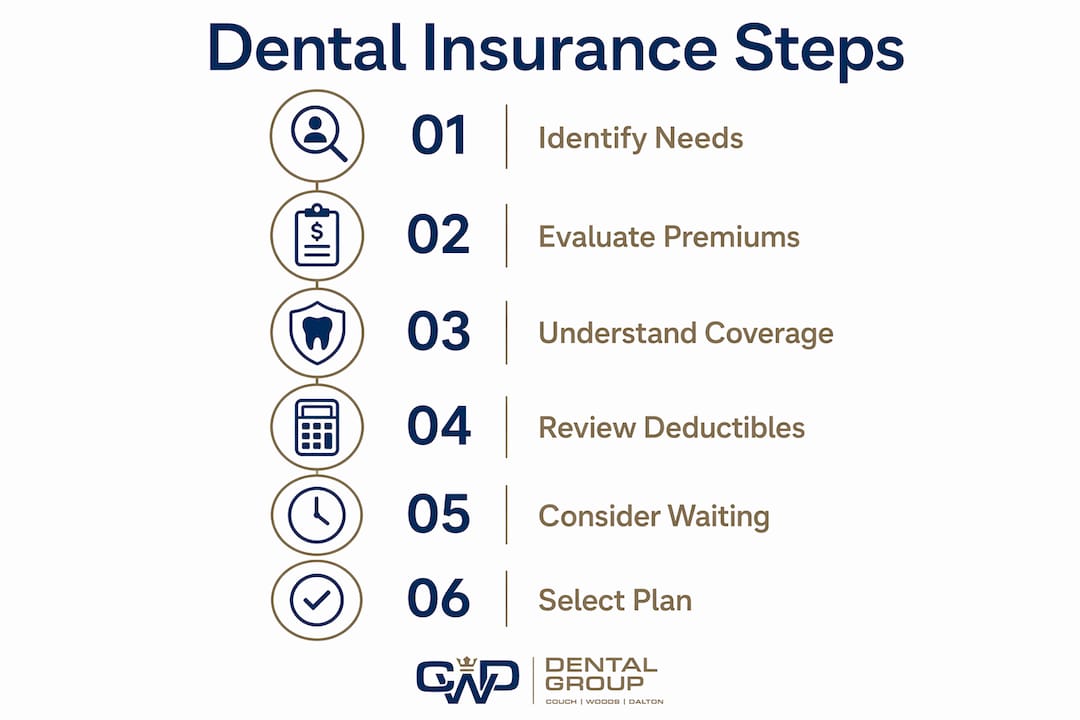
Choosing the right family dental insurance plan starts with mapping your household's actual dental needs before comparing premiums. A plan that looks cheap on paper can cost far more once you factor in narrow networks, long waiting periods, and low annual maximums.
Follow this process to evaluate plans:
-
List every family member's anticipated needs. Include expected orthodontics, any known restorative work, and routine preventive visits. Mapping anticipated dental needs before enrollment prevents coverage gaps and financial surprises.
-
Check the provider network. Broad provider networks improve both financial effectiveness and care utilization. Confirm your preferred dentist is in-network before you sign up. Out-of-network visits can eliminate most of your plan's financial benefit.
-
Compare annual maximums, not just premiums. A plan with a $25 lower monthly premium but a $500 annual maximum will cost your family more the moment anyone needs a filling or crown.
-
Understand waiting periods before you need care. If a family member needs a crown soon, a plan with a 12-month waiting period for major work is effectively no coverage for that procedure.
-
Coordinate benefits if both spouses have employer coverage. When two plans are available, one acts as primary and the other as secondary. The secondary plan can cover costs the primary plan leaves behind, sometimes reducing your out-of-pocket costs to near zero.
-
Avoid choosing based on lowest premium alone. Low-premium plans frequently carry narrow networks, long waiting periods, or low annual maximums that limit real coverage value.
-
Review the plan's orthodontic terms separately. Orthodontic benefits have their own waiting periods, lifetime caps, and age cutoffs. These terms are often buried in the plan documents.
Pro Tip: Use the insurer's "find a dentist" tool before enrolling, not after. Network size varies dramatically between plans at similar price points, and a thin network in your area makes even a generous plan impractical.
Families with young children should weight preventive benefits heavily. Most plans cover cleanings and exams at 100% with no deductible, meaning consistent preventive visits cost nothing under most plans. That free preventive care is the highest-return benefit in any family dental plan. Use it every year for every family member.
What should families know about pediatric coverage and CHIP?
Children's dental coverage carries specific advantages that adult-only plans do not offer. Recognizing these differences helps families reduce costs and access better care.
-
Enhanced preventive benefits for children: Most plans cover fluoride treatments, sealants, and space maintainers for children at 100%, services that are not always covered for adults. These benefits actively prevent costly restorative work later.
-
CHIP eligibility: Children may qualify for CHIP, the Children's Health Insurance Program, which provides comprehensive dental coverage at low or no cost. Eligibility is income-based. Families who qualify for CHIP often find it more cost-effective than adding children to a private plan.
-
Orthodontic coverage for children: Orthodontic benefits on most private plans apply only to children under 19. The lifetime maximum of $1,000–$2,000 rarely covers the full cost of braces, which average significantly more. Families should budget for the gap between the lifetime maximum and actual treatment costs.
-
Timing enrollment around orthodontic needs: Because waiting periods for orthodontics run 12–24 months, enrolling a child in an orthodontic-inclusive plan well before treatment begins is the only way to access those benefits when needed.
-
Separate deductibles for children: Some plans apply the family deductible cap once enough household members meet their individual deductibles. This means a family with three or more children in active dental care may hit the family cap early in the year, making subsequent visits cheaper for everyone.
Checking CHIP eligibility takes about 15 minutes through your state's health insurance marketplace. For families who qualify, it can eliminate most or all of the cost of children's dental coverage.
How do family plans compare to individual plans and discount options?
Family dental plans differ from individual plans in structure, not just price. Individual plans carry a single annual maximum, a single deductible, and coverage for one person. Family plans multiply those benefits across household members, often with a family deductible cap that protects against stacked individual deductibles.
The three main plan types families encounter are PPOs, HMOs, and dental discount plans. PPOs offer the widest network flexibility. You can see out-of-network dentists, though at higher cost. HMOs require you to stay within a defined network and often require a primary care dentist referral for specialists. HMOs typically carry lower premiums but less flexibility. Dental discount plans are not insurance at all. They charge a membership fee and provide negotiated discounts at participating dentists. Discount plans have no annual maximums, no waiting periods, and no deductibles, but they also provide no coverage. You pay the discounted rate entirely out of pocket.
Employer-sponsored family dental plans often provide the best value. Employers typically subsidize a portion of the premium, reducing your monthly cost. The dental care budget planning math almost always favors employer-sponsored coverage when it is available. Individual market plans make sense when employer coverage is unavailable or when the employer plan's network does not include your preferred providers. Families can also maximize benefits by understanding how to coordinate multiple plans when both parents carry employer coverage.
Key Takeaways
Family dental insurance works best when you match plan structure to your household's real dental needs, prioritize per-person annual maximums, and enroll early enough to clear waiting periods before care is needed.
| Point | Details |
|---|---|
| Coverage tiers matter most | Preventive care is free; basic and major care require cost-sharing at 80% and 50% respectively. |
| Per-person maximums win | Individual annual maximums give each family member their own benefit pool, multiplying total coverage. |
| Enroll before you need care | Waiting periods of 12–24 months apply to major work and orthodontics; start the clock early. |
| CHIP can replace private coverage | Income-eligible children may access comprehensive dental coverage at little or no cost through CHIP. |
| Low premiums can cost more | Plans with low monthly costs often carry narrow networks or low maximums that reduce real value. |
What I've learned after years of watching families pick the wrong plan
Families consistently underestimate how much the annual maximum matters. A $1,000 annual maximum sounds reasonable until one crown wipes it out entirely and leaves three other family members with zero remaining benefits for the year. The premium difference between a $1,000 maximum plan and a $1,500 per-person maximum plan is often $10–$20 per month. That gap pays for itself the first time anyone in the household needs restorative work.
The other mistake I see repeatedly is enrolling in a plan right before a known procedure. Waiting periods exist precisely to prevent this, and insurers enforce them without exception. If you know a family member needs a crown or braces in the next 18 months, enroll now. The waiting period clock does not pause.
Provider network quality is the factor families research least and regret most. A plan with generous coverage means nothing if the nearest in-network dentist is 45 minutes away. Check the network map for your zip code before you commit. A family dentist near you who is in-network is worth more than a marginally better coverage percentage at a practice you will never actually visit.
Benefit coordination between two employer plans is genuinely underused. When both parents carry dental coverage, the secondary plan can pick up what the primary leaves behind. Done correctly, this can reduce your family's out-of-pocket costs to near zero on most procedures. Ask your HR department how to designate primary and secondary coverage for each family member.
— Kayle
Cwddentalgroup makes family dental care straightforward
Families in Tallahassee dealing with dental coverage questions do not have to figure it out alone. Cwddentalgroup offers a full range of dental services, from routine preventive visits to advanced restorative procedures, with a team that understands how to work with your insurance plan to reduce your costs.
Cwddentalgroup provides same-day emergency appointments, so urgent dental issues never mean a long wait. Whether you need help understanding your benefits or require an emergency dentist in Tallahassee, the team is ready to help. Schedule a visit today and let Cwddentalgroup put your family's dental health on solid footing.
FAQ
What does family dental insurance typically cover?
Most family dental plans cover preventive care at 100%, basic procedures like fillings at around 80%, and major work like crowns at around 50% after deductibles are met.
How much does family dental insurance cost per month?
Family dental premiums typically range from $50–$150 per month on the individual market, with employer-sponsored plans often costing less due to employer subsidies.
What is a family deductible cap?
A family deductible cap is a combined limit on individual deductibles. Once your household reaches that cap, remaining family members receive covered services without paying additional deductibles for the rest of the year.
Can my children get dental coverage through CHIP?
Yes. Children may qualify for CHIP, which provides comprehensive dental coverage at low or no cost based on household income. Eligibility is checked through your state's health insurance marketplace.
How long are waiting periods for orthodontic coverage?
Waiting periods for orthodontic benefits typically last 12–24 months from the date of enrollment. Lifetime orthodontic maximums usually range from $1,000 to $2,000 and apply primarily to children under 19.