
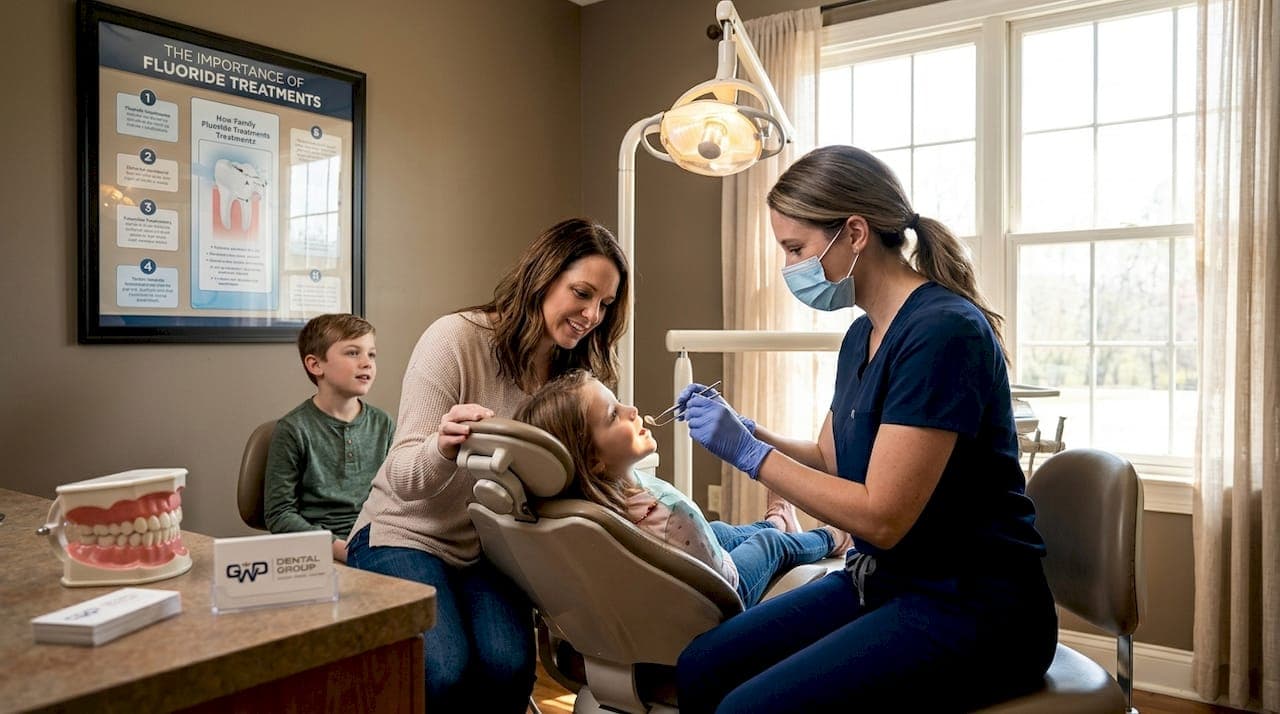
Common preventative dentistry services are professional dental procedures designed to maintain oral health and stop dental diseases before they develop into painful, costly problems. The industry term is preventive dentistry, and it covers everything from routine dental checkups and professional cleanings to fluoride treatments, sealants, and oral cancer screenings. Most dental insurance plans cover these services at 100% for two visits per year, making prevention the most affordable strategy for long-term oral health. This guide breaks down each service so you and your family know exactly what to expect and why it matters.
1. Common preventative dentistry services: routine checkups
Routine oral exams and cleanings every six months are the foundation of preventive dental care. During a checkup, your dentist performs a full oral exam, reviews your medical history, and takes X-rays to catch problems that are invisible to the naked eye. Early detection of cavities, gum disease, or bone loss at this stage costs a fraction of what treatment costs after the problem progresses.
What a standard checkup includes:
- Oral exam: Visual inspection of teeth, gums, tongue, and soft tissues
- Dental X-rays: Bitewing or panoramic images to detect decay between teeth and below the gum line
- Gum assessment: Measurement of periodontal pockets to check for early gum disease
- Bite and jaw evaluation: Screening for misalignment or signs of grinding
You can learn more about what happens step by step in a comprehensive dental exam before your next appointment.
Pro Tip: Bring a list of any medications you take to every checkup. Certain medications cause dry mouth, which raises your cavity risk, and your dentist needs that information to give you accurate preventive advice.
2. Professional teeth cleanings (prophylaxis)
Professional prophylaxis removes plaque, calculus, and stains that brushing and flossing at home simply cannot reach. A dental hygienist uses specialized tools to clean above and slightly below the gum line, which prevents tooth decay and gingivitis from taking hold. Skipping cleanings allows tartar to harden and accumulate, which eventually requires more aggressive treatment.
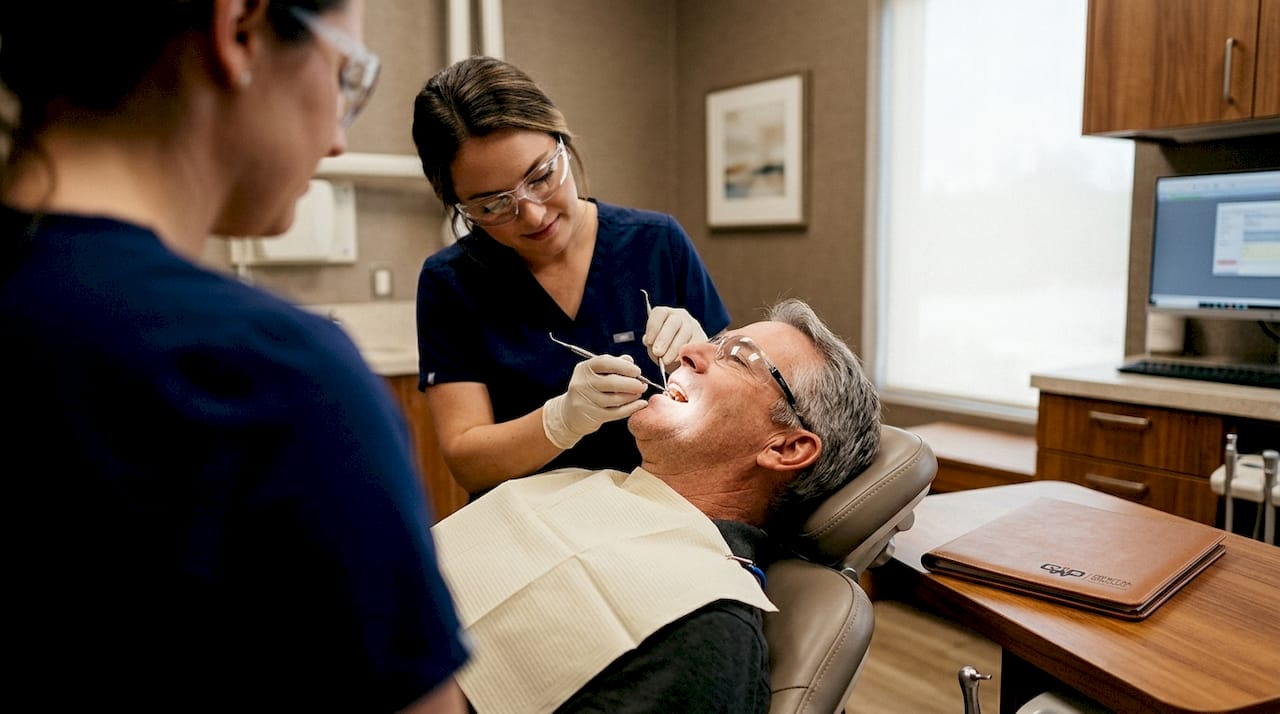
Standard prophylaxis is preventive, meaning it is performed on patients with healthy gums. It is clinically distinct from deep cleaning, also called scaling and root planing, which is a therapeutic procedure reserved for patients with active gum disease. Knowing the difference matters because insurance covers them differently and they serve different purposes.
Dental insurance typically covers 100% of two cleanings per year as a standard preventive benefit. That means most families pay nothing out of pocket for this service when they stay in network. Read more about how professional cleanings prevent disease and what the process actually involves.
3. Fluoride treatments
Fluoride treatments strengthen enamel and prevent decay, particularly in children and adults with a high cavity risk. Fluoride works by remineralizing weakened enamel, making teeth more resistant to acid attacks from bacteria and sugary foods. The treatment takes less than five minutes: a gel, foam, or varnish is applied directly to the teeth and left to absorb.
Who benefits most from fluoride treatments:
- Children ages 6 to 16 during active tooth eruption periods
- Adults with a history of frequent cavities
- Patients with dry mouth caused by medications or medical conditions
- People with exposed root surfaces due to gum recession
Fluoride and sealants are especially valuable for children during high-risk tooth eruption periods because enamel is still maturing and most vulnerable to decay. For a detailed look at fluoride for younger patients, the children's fluoride treatment guide covers dosage, safety, and scheduling. Insurance coverage for fluoride varies by plan and age, so verify your specific benefits before assuming it is fully covered.
4. Dental sealants
Dental sealants protect molars by sealing pits and fissures where food and bacteria collect most easily. A sealant is a thin plastic coating painted onto the chewing surfaces of back teeth, then hardened with a curing light. The procedure is painless, takes about 10 minutes per tooth, and requires no drilling.
| Feature | Dental sealants | No sealants |
|---|---|---|
| Cavity risk in molars | Significantly reduced | Higher, especially in children |
| Application time | 10 minutes per tooth | Not applicable |
| Typical candidates | Children ages 6 to 14 | All ages without protection |
| Insurance coverage | Often covered for children | Not applicable |
| Longevity | Up to 10 years with proper care | Not applicable |
Sealants are most effective when applied shortly after permanent molars erupt, typically between ages 6 and 12. Adults with deep grooves and no existing decay or fillings are also good candidates. The dental sealants guide for kids explains the full process and what parents should expect at the appointment.
5. Oral cancer screenings
Dentists perform oral cancer screenings during regular checkups to identify early abnormalities in the mouth, throat, and surrounding tissues. The exam involves a visual and physical inspection of the lips, tongue, cheeks, floor of the mouth, and lymph nodes. When caught early, oral cancer has a significantly better prognosis, which makes this two-minute screening one of the highest-value preventive services available.
Risk factors your dentist will ask about include tobacco use, heavy alcohol consumption, HPV exposure, and prolonged sun exposure to the lips. Patients with one or more of these risk factors may be screened more frequently or referred to an oral surgeon for follow-up. The screening adds no cost to a standard checkup and requires no preparation on your part.
Pro Tip: Tell your dentist about any sore, patch, or lump in your mouth that has not healed within two weeks. That is the most common early sign of oral cancer, and your dentist needs to know about it regardless of when your next scheduled visit falls.
6. Custom mouthguards
Athletic mouthguards reduce dental trauma in sports by absorbing and distributing impact forces that would otherwise fracture teeth or damage the jaw. Custom mouthguards made by a dentist fit precisely over your teeth, unlike over-the-counter boil-and-bite versions that shift during use and offer inconsistent protection. Any contact sport, including basketball, soccer, and martial arts, carries enough risk to justify wearing one.
Custom mouthguards also serve a second preventive function: protecting teeth from nighttime grinding, a condition called bruxism. Grinding wears down enamel over time and can cause jaw pain, headaches, and cracked teeth. A custom night guard made from dental impressions fits more accurately and lasts longer than store-bought alternatives.
7. Preventative oral hygiene education
Prevention includes education and habit-building alongside professional care, and this is where many patients underestimate what their dental team offers. At every checkup, your hygienist or dentist should review your brushing technique, flossing habits, and diet choices that affect your teeth. This is not a formality. Incorrect brushing technique is one of the most common causes of gum recession and enamel wear.
Specific guidance your dental team can provide includes the correct angle for brushing along the gum line, how to floss without snapping the floss into gum tissue, and which foods and drinks create the most acidic environment in your mouth. Parents especially benefit from this education. The dental tips for parents resource covers how to build these habits early in children so they carry them into adulthood.
8. How to choose the right services for your family
Selecting the right preventive dental services depends on age, medical history, and individual risk factors. A six-year-old getting their first permanent molars needs sealants and fluoride. A 45-year-old who smokes needs oral cancer screenings at every visit. A teenager playing high school football needs a custom mouthguard. There is no single universal prevention plan.
Key factors to evaluate with your dentist:
- Cavity history: Frequent cavities indicate a need for fluoride treatments and possibly more frequent cleanings
- Gum health: Bleeding or swollen gums may require a shift from standard prophylaxis to a periodontal maintenance schedule
- Age and eruption stage: Children benefit most from sealants and fluoride during specific developmental windows
- Sports participation: Any contact sport justifies a custom mouthguard
- Insurance coverage: Verify preventive coverage limits and frequency allowances before scheduling to manage out-of-pocket costs
Preventive dentistry is a proactive risk-management strategy, not just a cleaning schedule. When you communicate openly with your dental provider about your health history, lifestyle, and concerns, they can build a prevention plan that actually fits your life rather than a generic protocol. Some patients also receive referrals to specialists such as orthodontists based on findings during preventive assessments, which is another reason regular visits pay off beyond just clean teeth.
Key takeaways
Preventive dentistry works because catching problems early through routine checkups, cleanings, fluoride, sealants, and screenings costs far less and causes far less discomfort than treating advanced dental disease.
| Point | Details |
|---|---|
| Checkups every six months | Routine exams and X-rays catch decay and gum disease before they become expensive problems. |
| Cleanings remove what brushing misses | Professional prophylaxis clears tartar buildup that no toothbrush can reach at home. |
| Fluoride and sealants protect children most | Apply both during tooth eruption years to significantly reduce lifetime cavity risk. |
| Oral cancer screenings save lives | A two-minute visual exam at every checkup detects abnormalities when treatment is most effective. |
| Insurance covers most prevention | Most dental plans cover two cleanings and exams per year at 100%, making prevention free for most families. |
Why I think most people underestimate preventive dentistry
I have spent years writing about health and consumer decisions, and dental prevention is one of the most consistently undervalued categories I cover. People skip checkups when nothing hurts, then spend thousands fixing what a $0 cleaning would have caught. That math never changes, yet the behavior does.
What I find genuinely interesting is that the services themselves are not complicated. Fluoride varnish takes five minutes. A sealant takes ten. An oral cancer screening adds nothing to your appointment time. The barrier is not the procedure. It is the mental model people carry that dental visits are for fixing problems rather than preventing them.
The families I see get this right are the ones who treat dental visits the way they treat oil changes. You do not wait for the engine to fail. You show up on schedule because the cost of prevention is always lower than the cost of repair. That is not a dental industry talking point. It is basic arithmetic.
The other thing worth saying: your dentist is not just looking at your teeth. They are screening for oral cancer, checking for signs of acid reflux, spotting symptoms of sleep apnea, and flagging issues that connect to your overall health. A twice-yearly dental visit is one of the most efficient health screenings available to most people, and most insurance plans make it free.
— Kayle
Keep your family's oral health on track with Cwddentalgroup
Cwddentalgroup offers the full range of preventive dental care in Tallahassee, from routine checkups and professional cleanings to fluoride treatments, sealants, and oral cancer screenings. Their patient-centered approach means shorter wait times, same-day emergency appointments, and a team that takes the time to explain every service clearly.
Whether you are scheduling your family's next routine visit or dealing with an urgent dental issue, Cwddentalgroup has you covered. Their emergency dentist services are available for same-day appointments when you cannot wait. Contact Cwddentalgroup today to schedule a preventive care visit and build a dental health plan that works for your whole family.
FAQ
What are the most common preventative dentistry services?
The most common preventive dental services are routine oral exams, professional teeth cleanings, fluoride treatments, dental sealants, and oral cancer screenings. Most dentists recommend scheduling these every six months for healthy patients.
How often should you get a routine dental checkup?
Healthy adults and children should schedule routine dental checkups every six months. Patients with gum disease, frequent cavities, or other risk factors may need visits every three to four months.
Are preventive dental services covered by insurance?
Most dental insurance plans cover two preventive cleanings and exams per year at 100%. Coverage for fluoride treatments and sealants varies by plan and patient age, so verify your specific benefits before your appointment.
What is the difference between a standard cleaning and a deep cleaning?
A standard cleaning, called prophylaxis, removes plaque and tartar above and slightly below the gum line in patients with healthy gums. A deep cleaning, or scaling and root planing, is a therapeutic procedure used to treat active gum disease and goes further below the gum line.
At what age should children start preventive dental care?
Children should have their first dental visit by age one or within six months of their first tooth erupting. Early visits establish a baseline, allow fluoride application, and help children build comfort with dental care before problems develop.
Recommended
- Happy Teeth, Happy Kids Top Dental Tips Every Parent Needs — CWD Dental Group
- Dental care for infants: Essential 1st for healthy smiles — CWD Dental Group
- Smile Bright Together: Locating a Great Family Dentist — CWD Dental Group
- Stopping Tooth Decay Modern Cavity Treatments for Children — CWD Dental Group