
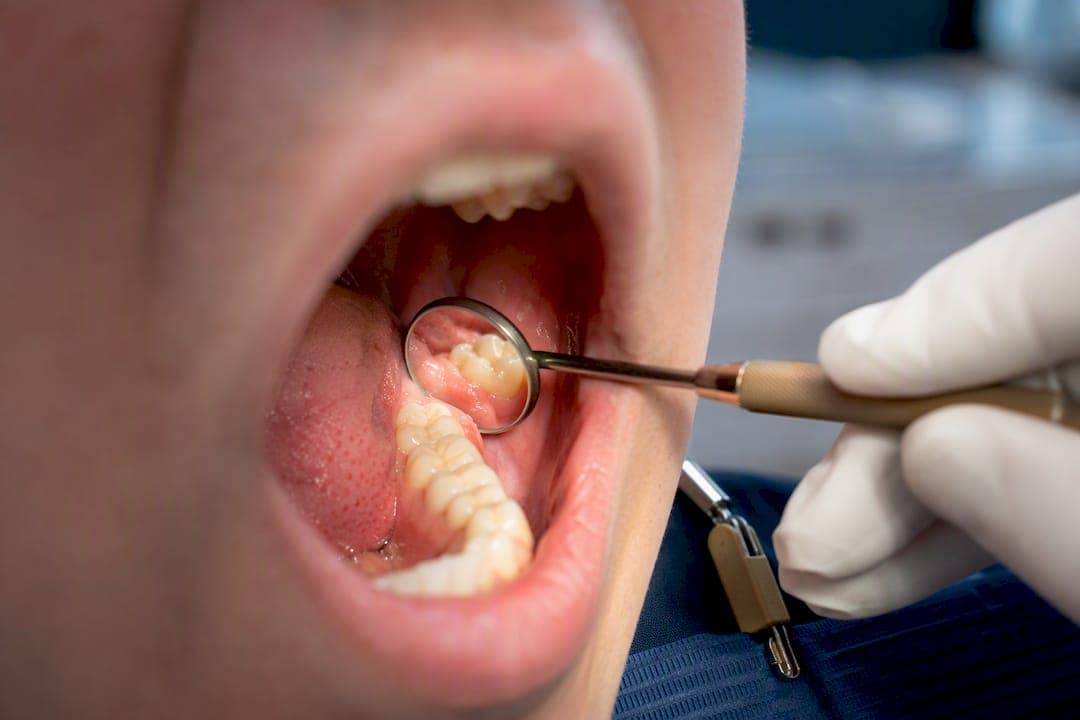
Swelling around a wisdom tooth almost always points to pericoronitis, an infection of the gum flap covering a partially erupted or impacted tooth. A warm saltwater rinse, a cold compress, and an over the counter anti-inflammatory usually take the edge off within a day. If the swelling spreads toward your face or neck, you develop a fever, or you can't fully open your mouth or swallow, that's an emergency, not a home care situation.
TL;DR:
- Swelling that spreads to the face, neck, or is accompanied by a fever indicates the infection may be spreading beyond the tooth and requires immediate dental care.
- Persistent swelling, pus, bad taste, or difficulty opening the mouth after 48 hours of home treatment signals a worsening infection needing professional intervention.
- Impacted or sideways-angled wisdom teeth create deeper gum pockets, increasing bacterial buildup and the likelihood of flare-ups despite good oral hygiene.
- Home remedies like saltwater rinses, cold compresses, and anti-inflammatory drugs only provide temporary relief and do not eliminate trapped debris or active infection.
- Regular dental checkups and quitting smoking help reduce recurrence, but recurrent pericoronitis often demands extraction of the problematic tooth or gum flap removal.
Table of Contents
- What Causes Wisdom Tooth Swelling?
- How Do You Know If It's Infected or Just Swollen?
- What Home Remedies Actually Reduce Swelling?
- When Should You See a Dentist Right Away?
- What Treatments Do Dentists Use for Pericoronitis?
- How Can You Prevent Wisdom Tooth Swelling From Coming Back?
- How CWD Dental Group Handles Wisdom Tooth Swelling
- Get Same-Day Relief for Wisdom Tooth Swelling
- Sources
- FAQ
What Causes Wisdom Tooth Swelling?
Most wisdom tooth swelling traces back to one culprit: the operculum, a flap of gum tissue that partially covers a tooth that hasn't fully broken through. Food particles and bacteria slip underneath it and get stuck, and since you can't brush or floss under a gum flap, that debris just sits there and inflames the tissue. This is the mechanism behind pericoronitis, the clinical name for the inflammation dentists see constantly in patients age 17 to 25.
Impaction makes the problem worse. When a wisdom tooth is angled sideways, jammed against a neighboring molar, or simply doesn't have room to erupt, it creates the exact pocket bacteria need to thrive. Impacted wisdom teeth commonly cause localized swelling, pain, and bad breath because the gum tissue around them stays chronically irritated.
A few factors make flare-ups more frequent or severe:
- Inconsistent brushing or flossing around the back molars
- Smoking, which slows healing and raises infection risk
- A weakened immune response from illness, stress, or poor sleep
- Crowding that leaves the tooth only partially visible
Rinsing and icing calm the symptoms, but they don't remove the trapped debris under the flap. That's why swelling tends to come back, sometimes within weeks, until the anatomy itself gets addressed.
How Do You Know If It's Infected or Just Swollen?
Mild soreness after a long day of chewing is normal. A gum that's red, puffy, and tender to the touch but calms down with rinsing usually isn't an emergency. The picture changes when you notice pus, a persistent bad taste, or swelling that doesn't budge after 48 hours of home care.
Watch for these local signs of a worsening infection:
- Redness or swelling that spreads rather than staying contained
- A foul taste or odor coming from the gum area
- Jaw stiffness or trismus, where opening your mouth wide becomes difficult or painful
- Throbbing pain that radiates toward your ear or throat
Systemic symptoms are the real red flag. Fever, swollen lymph nodes under the jaw, or swelling that creeps into your cheek or neck means the infection may be spreading beyond the tooth. Trismus and expanding facial or neck swelling are recognized clinical warning signs that infection has moved into deeper tissue spaces, and that scenario calls for same-day evaluation.
A rough timeline to keep in mind: symptoms that hold steady or improve over 48 to 72 hours of rinsing and icing are probably manageable at home. Symptoms that get worse over that same window, especially with fever or spreading swelling, need a dentist that day.
What Home Remedies Actually Reduce Swelling?
You can safely manage mild pericoronitis symptoms at home for a day or two while you arrange a dental visit. Here's how to do it right.
- Rinse with warm salt water. Dissolve half a teaspoon of salt in eight ounces of warm water and swish gently for 30 seconds, four to five times a day, especially after meals. This flushes loose debris out from under the gum flap without irritating the tissue.
- Apply a cold compress. Hold ice wrapped in a cloth against the outside of your jaw for 15 to 20 minutes at a time, with breaks in between, during the first day or two of swelling.
- Take an OTC anti-inflammatory. Ibuprofen, taken according to the label, reduces both pain and swelling when you have no medical reason to avoid it. Check with a pharmacist first if you take blood thinners or have kidney issues.
- Keep the area as clean as possible with gentle brushing and rinsing, even though it's tender.
Rinses, cold compresses, and OTC pain relievers can ease swelling and pain temporarily, but none of them clear an active infection or remove trapped debris permanently.
A couple of firm don'ts: never poke or dig under the gum flap with a toothpick or your finger, and never place aspirin directly against the gum. That old remedy causes a chemical burn on soft tissue. Skip hot compresses too if you suspect infection, since heat can encourage bacteria to spread rather than drain.
Pro Tip: Alternate 20 minutes on, 20 minutes off with your cold compress rather than icing continuously. Continuous cold can numb tissue without actually reducing the inflammation underneath, and how you time the ice matters more than how long you apply it in one stretch.

When Should You See a Dentist Right Away?
Some symptoms mean you pick up the phone immediately instead of waiting to see if things improve. Get urgent or emergency dental care if you notice any of the following:
- Fever above 100.4°F alongside gum swelling
- Swelling that's visibly spreading into your cheek, jaw, or neck
- Difficulty breathing, swallowing, or opening your mouth more than a finger's width
- Pus draining from the gum or a noticeably foul taste that won't clear
Less dramatic signs still deserve a prompt appointment rather than a wait and see approach. Swelling that lingers past three days, pain that keeps you up at night, or a flap that keeps re-inflaming every few weeks all point to a tooth that needs professional attention, not another round of rinses.
At the visit, expect the dentist to examine the gum flap, check your bite alignment, and likely take an X-ray to see the tooth's position and root development. If there's active infection, irrigation to flush out debris and a short course of antibiotics are often the first line of treatment before any decision about the tooth itself.
What Treatments Do Dentists Use for Pericoronitis?
Clinical treatment for wisdom tooth swelling follows a predictable order, starting conservative and escalating only if needed.
- Irrigation and debridement: the dentist flushes debris and bacteria out from under the operculum, often the single most effective way to bring swelling down fast.
- Antibiotics: prescribed when infection has spread or systemic symptoms appear, but antibiotics alone rarely provide a permanent fix if the trapped debris under the flap isn't addressed.
- Operculectomy: minor surgical removal of the gum flap itself, used when the tooth has room to fully erupt and the flap is the recurring problem.
- Extraction: recommended when the tooth is impacted or there's no realistic room for it to come in properly.
Left untreated, pericoronitis can progress to an abscess or spread into surrounding tissue, which is exactly why dentists push for early intervention rather than repeated rounds of home management. Recovery after extraction commonly includes some temporary jaw swelling, which cold compresses and prescribed pain medication manage well.
How Can You Prevent Wisdom Tooth Swelling From Coming Back?
Recurring pericoronitis is common precisely because the anatomical trap under the gum flap doesn't fix itself. A few habits meaningfully lower the odds of another flare-up:
- Use a soft-bristled or angled brush to reach the back molars, plus an antiseptic rinse if your dentist recommends one
- Quit smoking, since it slows healing and raises infection risk
- Keep up with regular dental checkups so a partially erupted tooth gets caught before it becomes a repeat problem
Consistent oral hygiene and avoiding tobacco reduce recurrence risk significantly. When swelling keeps returning despite good habits, that pattern is usually the clearest sign a dentist will recommend elective extraction rather than another cycle of rinsing and waiting.
How CWD Dental Group Handles Wisdom Tooth Swelling
We see wisdom tooth swelling constantly, and same-day emergency appointments exist for exactly this kind of flare-up. A typical visit means an exam, irrigation to clear the source of infection, antibiotics if needed, and a referral for extraction when the tooth just isn't going to erupt cleanly. Pain control and follow-up are part of the plan from the first visit, not an afterthought.
— Kayle
Get Same-Day Relief for Wisdom Tooth Swelling
You don't have to sit with a swollen jaw for days waiting for a callback. CWD Dental Group offers same-day emergency appointments for exactly this kind of pericoronitis flare-up, which means you can get seen, examined, and treated before it turns into an abscess or a trip to the ER.
A same-day visit typically includes an exam, irrigation to clear the infection source, antibiotics if the swelling has spread, and a straightforward conversation about whether extraction makes sense long term. Bring your insurance card if you have one, a list of any medications you're taking, and be ready to describe how long the swelling has lasted. Call to book an emergency visit or check our services to see everything CWD Dental Group handles beyond emergency care, from routine cleanings to surgical extractions. If you're not sure whether your symptoms qualify as urgent, our emergency dentist page walks through what to expect and how quickly you can get in.
Sources
For deeper clinical detail, Cleveland Clinic covers pericoronitis basics, Mayo Clinic covers extraction and recovery, and Medical News Today covers complications.
This article is general information, not a substitute for advice from a qualified doctor. Consult a qualified healthcare professional about your own circumstances before acting on anything here.
- Pericoronitis: Symptoms, Causes & Treatment — Cleveland Clinic
- Wisdom teeth — Diagnosis & treatment — Mayo Clinic
- Deep neck space infections / clinical warning signs — NCBI Bookshelf
- Pericoronitis — WebMD
FAQ
When should I worry about wisdom tooth swelling?
Worry when swelling spreads toward your face or neck, you develop a fever, or you have trouble opening your mouth, breathing, or swallowing. These are signs the infection may be moving into deeper tissue and need same-day evaluation rather than more home care.
How do you fix a swollen wisdom tooth gum?
Start with warm saltwater rinses, a cold compress, and an OTC anti-inflammatory to bring swelling down temporarily. A lasting fix usually requires a dentist to irrigate debris from under the gum flap or, in recurring cases, remove the flap or the tooth itself.
What is the 3-3-3 rule for tooth infection?
There's no widely recognized clinical "3-3-3 rule" for tooth infections in dental literature, so treat any version you've seen online with caution. The safer guideline is that swelling worsening over 48 to 72 hours, or accompanied by fever, needs professional evaluation rather than a fixed countdown.
Is my wisdom tooth infected or just swollen?
Mild tenderness that improves with rinsing is usually just irritation from a partially erupted tooth. Pus, a persistent bad taste, spreading swelling, or fever point to an active infection like pericoronitis that needs dental treatment, not just home care.
Does CWD Dental Group treat wisdom tooth swelling as an emergency?
Yes, CWD Dental Group offers same-day emergency appointments for wisdom tooth swelling and pericoronitis. Current pricing for exams and treatment is available through the practice's services page.