

How ice packs reduce pain and swelling in dental emergencies
Ice packs are one of the most effective first-aid tools you can reach for during a dental emergency. Applied correctly, cold therapy works through two mechanisms: it causes vasoconstriction, which limits blood flow to the injured area and slows fluid buildup, and it slows nerve conduction, which dulls pain signals before they reach the brain. The result is real, measurable relief while you wait for professional care.
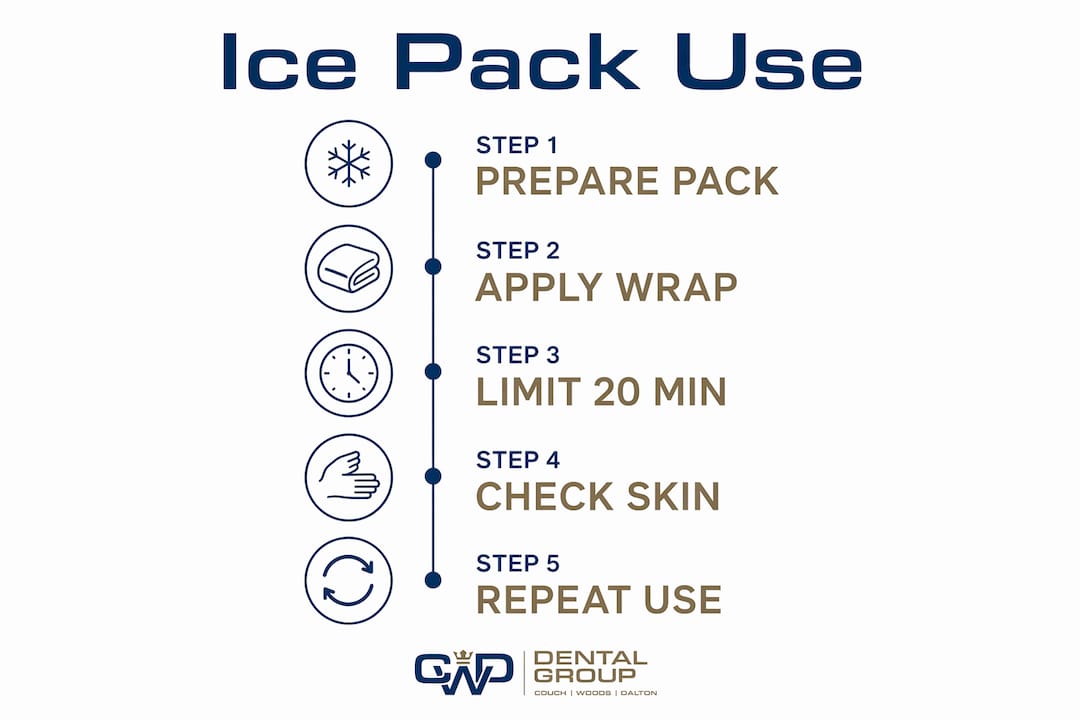
Cold therapy works best when you start early. Clinical guidance recommends applying ice within the first 24–48 hours after dental trauma or oral surgery, when inflammation is most active. After that window, the physiological benefits taper off significantly.
A few key points to keep in mind from the start:
- Ice packs reduce swelling and pain but do not treat the underlying cause
- Cold therapy is supportive first aid, not a substitute for a dentist
- Commercial cold packs and homemade ice packs wrapped in a cloth both work
- Apply externally on the cheek, never directly against skin or teeth
- Follow short on/off cycles to avoid tissue damage
Why swelling happens after dental trauma and how cold counteracts it
Swelling after a tooth injury or oral surgery is not random. It is your immune system doing exactly what it is designed to do. When tissue is damaged, blood vessels dilate and become more permeable, allowing fluid and immune cells to flood the area. That process, called the inflammatory response, is necessary for healing but produces the throbbing, visible puffiness that makes dental injuries so uncomfortable.
"Post-surgical swelling results from vasodilation and increased vascular permeability as part of the inflammatory response. Cold therapy counteracts this by constricting blood vessels, limiting edema, and potentially alleviating pain." — Inflammation and cold therapy in dental surgery
Ice reverses that process at the vascular level. Cryotherapy induces blood vessel constriction and inhibits nerve impulse transmission, providing temporary pain relief and limiting how much fluid accumulates in the tissue. That is why cold gets recommended over heat for acute dental injuries. Heat does the opposite: it promotes vasodilation, which accelerates fluid buildup and can intensify both swelling and pain.
Clinical trials on cold therapy after oral surgery show mixed results on measurable outcomes like trismus and edema, suggesting that ice primarily provides symptomatic comfort rather than a dramatic clinical cure. That distinction matters for setting expectations. Ice will make you feel better. It will not fix a cracked tooth or clear an infection.
How to apply ice packs safely during a dental emergency
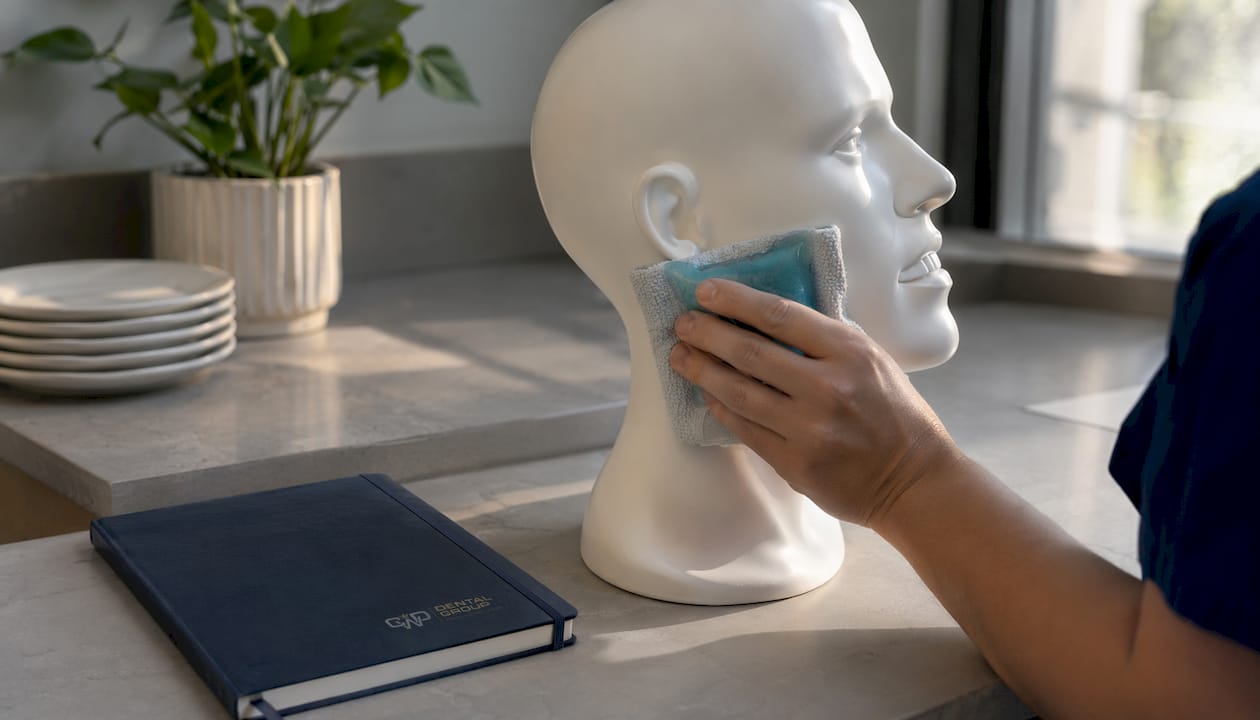
Getting the application right is what separates effective relief from a frostbite risk. Follow these steps every time:
- Wrap the ice pack in a thin cloth. Never apply ice or a frozen gel pack directly to skin. A single layer of cloth, like a clean dish towel or washcloth, is enough to protect tissue while still allowing cold to penetrate.
- Position it on the outside of your cheek over the affected area. Do not place ice inside your mouth or press it against your teeth or gums.
- Apply for 10–20 minutes, then remove for 10–20 minutes. The recommended skin surface temperature target is 10°C–15°C. Cycling on and off keeps you in that range without risking thermal injury.
- Repeat multiple times within the first 48 hours. Consistency matters more than duration. Short, repeated sessions outperform one long application.
- Check your skin between sessions. If the area looks red, white, or feels numb beyond normal cold sensation, stop immediately and let the tissue warm up.
- Pair ice with an appropriate OTC pain reliever. Ibuprofen or acetaminophen complement cold therapy well. One important note: never place aspirin directly against your gum or tooth tissue. Aspirin can cause chemical burns to oral tissue, a risk many people are unaware of.
Pro Tip: Frozen peas or corn work surprisingly well as a makeshift cold pack. They conform to the curve of your jaw better than a rigid ice bag and stay cold long enough for a full session.
When ice packs are not enough and you need a dentist immediately

Cold therapy buys you time. It does not buy you a pass on professional care. Certain symptoms mean you need to call a dentist or head to an emergency clinic right away, regardless of how much the ice is helping.
Watch for these warning signs:
- Uncontrolled bleeding that does not slow after 10–15 minutes of steady pressure. This requires immediate dental intervention, not more ice.
- A knocked-out tooth. Reimplantation has the best chance of success within 60 minutes of the injury. Keep the tooth moist, ideally in milk or between your cheek and gum, and get to a dentist fast. Learn more about identifying a dental emergency so you know exactly what qualifies.
- Swelling that affects your breathing or ability to swallow. This can signal a spreading infection and is a medical emergency, not just a dental one.
- Fever, a bad taste in your mouth, or swelling that keeps growing. These are signs of infection that ice will not touch.
- Pain that gets worse when you apply cold. Intensified pain after cold use can signal nerve exposure or cracks requiring urgent evaluation.
- Severe pain that does not respond to OTC medication and ice combined. At that point, home care has reached its limit.
If you are in Tallahassee and need same-day care, Cwddentalgroup offers same-day emergency appointments so you are not left managing a serious injury on your own overnight.
Common misconceptions about using ice for dental pain
A lot of people misuse ice during dental emergencies, either expecting too much from it or applying it in ways that cause harm. Here is where the thinking tends to go wrong:
- Ice does not cure infections or tooth decay. If you have an abscess, cold therapy might temporarily dull the ache, but the infection will keep progressing. Ice is palliative, not curative, and using it as a reason to delay a dentist visit makes outcomes worse.
- Cold can increase pain if nerve exposure is present. Teeth with cracks, exposed roots, or active nerve involvement often react badly to cold. If ice makes your pain sharper, stop and call a dentist.
- Direct contact causes frostbite. Applying ice directly to skin or teeth risks thermal tissue damage. The cloth barrier is not optional.
- Chewing on ice is not the same as cold therapy. Biting down on ice can fracture already-compromised teeth and worsen the injury.
- Heat is not a safe alternative for acute dental pain. Warmth feels soothing, but it promotes vasodilation, which accelerates swelling and can intensify throbbing pain in an acute injury.
- Ice is not a long-term management tool. After the first 48 hours, the case for cold therapy weakens. Persistent pain beyond that window needs professional diagnosis, not more ice packs.
Frequently asked questions about ice packs and dental emergencies
How long should I apply an ice pack to a dental injury? Apply for 10–20 minutes, then remove for 10–20 minutes. Repeat multiple times during the first 24–48 hours after trauma or surgery for best results.
Can ice help with an infected tooth or abscess? Cold therapy can temporarily reduce discomfort, but it does not treat the infection itself. An abscess requires antibiotics and professional drainage. Do not rely on ice to manage an infection.
Is ice better than heat for a toothache? For acute injuries and post-surgical swelling, cold is the right choice. Heat promotes blood flow, which worsens swelling in the early stages. Heat may offer some relief for muscle tension around the jaw, but it is generally contraindicated for acute dental pain.
What type of ice pack works best? Commercial gel packs, a bag of ice cubes, or a bag of frozen vegetables all work. The key is the cloth barrier between the pack and your skin. Flexible packs that conform to your jaw tend to be more comfortable for longer sessions.
When should I stop using ice and see a dentist? Stop ice therapy and call a dentist if your pain worsens with cold, if swelling spreads, if you develop a fever, or if symptoms do not improve after 48 hours of consistent cold therapy.
Expert advice on using ice packs and knowing when to call a dentist
The most practical thing you can do before a dental emergency happens is prepare for one. Dental professionals recommend keeping a basic emergency kit at home with cold compresses, gauze, dental floss, and a non-aspirin pain reliever. When an injury occurs, you want to act within minutes, not spend time searching for supplies.
A few principles that hold up across most dental emergencies:
- Apply cold promptly after trauma while monitoring your skin for color changes
- Never use ice as a reason to delay calling a dentist for severe symptoms
- Follow the 10–20 minute cycle strictly; longer is not better
- If you need after-hours emergency care, know your options before you need them
Pro Tip: Wrap your ice pack in a thin cloth and check the skin underneath every 10 minutes. Pale or grayish skin means the tissue is getting too cold. Remove the pack immediately and let the area return to normal color before reapplying.
Understanding why tooth pain escalates helps you make faster decisions. Ice buys you comfort and limits early swelling. A dentist fixes the problem.
Cwddentalgroup can help when ice is not enough
When cold therapy has done its job and you need professional care, Cwddentalgroup is ready. Based in Tallahassee, the practice offers same-day emergency dental appointments so you get seen quickly, not days from now. The team handles everything from knocked-out teeth to post-surgical complications with the kind of calm, experienced care that makes a stressful situation manageable.
Key Takeaways
Ice packs reduce dental pain and swelling through vasoconstriction and nerve signal inhibition, but they work best as early first aid within the first 48 hours, not as a substitute for professional dental treatment.
| Point | Details |
|---|---|
| Apply cold early | Cold therapy is most effective within the first 24–48 hours after dental trauma or oral surgery. |
| Use proper technique | Apply externally on the cheek in 10–20 minute cycles with a cloth barrier; never place ice directly on skin or teeth. The recommended skin surface temperature target is 10°C–15°C during each session. |
| Know the limits | Ice does not treat infections, decay, or nerve damage. Worsening pain after cold use signals a need for urgent care. |
| Watch for red flags | Uncontrolled bleeding, spreading swelling, fever, or a knocked-out tooth all require immediate professional attention. |
| Prepare in advance | Keep a dental emergency kit with cold compresses, gauze, and a non-aspirin pain reliever ready before you need it. |