
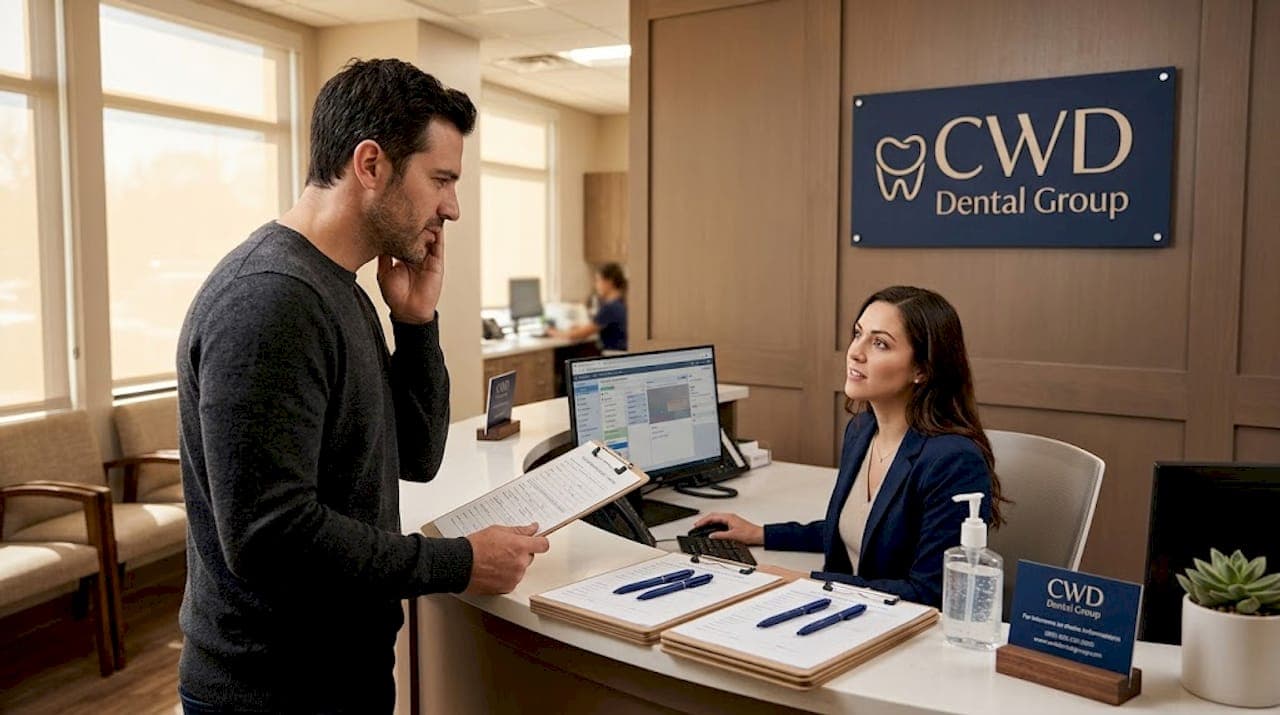
When a tooth shatters at 9 p.m. or a throbbing abscess wakes you up at 2 a.m., the last thing you want is confusion about where to go or how long you will wait. Understanding how dentists handle walk-in emergencies can be the difference between saving a tooth and losing it entirely. Most people assume walk-in dental care means long waits and rushed, incomplete treatment. The reality is far more organized. Modern emergency dental practices follow clear triage protocols, offer a range of immediate treatments, and use technology to get you in and out faster than you might expect.
Table of Contents
- Key takeaways
- How dentists handle walk-in emergencies from the first moment
- Common treatments you can expect during a walk-in visit
- Typical response times and what affects how quickly you are seen
- What to do immediately after a dental emergency
- How technology makes walk-in emergency visits faster and less stressful
- My take on what actually matters in a dental emergency
- Get same-day emergency dental care in Tallahassee
- FAQ
Key takeaways
| Point | Details |
|---|---|
| Triage determines your wait | Dentists assess severity first, so the most urgent cases are always seen before minor discomfort. |
| Time is critical for tooth loss | Replanting a knocked-out tooth within 30 to 60 minutes dramatically improves the chance of saving it. |
| Same-day treatment is real | Walk-in emergency visits can include extractions, root canals, temporary fillings, and pain relief in one appointment. |
| Your first aid matters | How you handle a broken or knocked-out tooth before you arrive directly affects what the dentist can do. |
| Technology speeds everything up | Digital X-rays and 3D imaging allow dentists to diagnose and begin treatment in a single visit. |
How dentists handle walk-in emergencies from the first moment
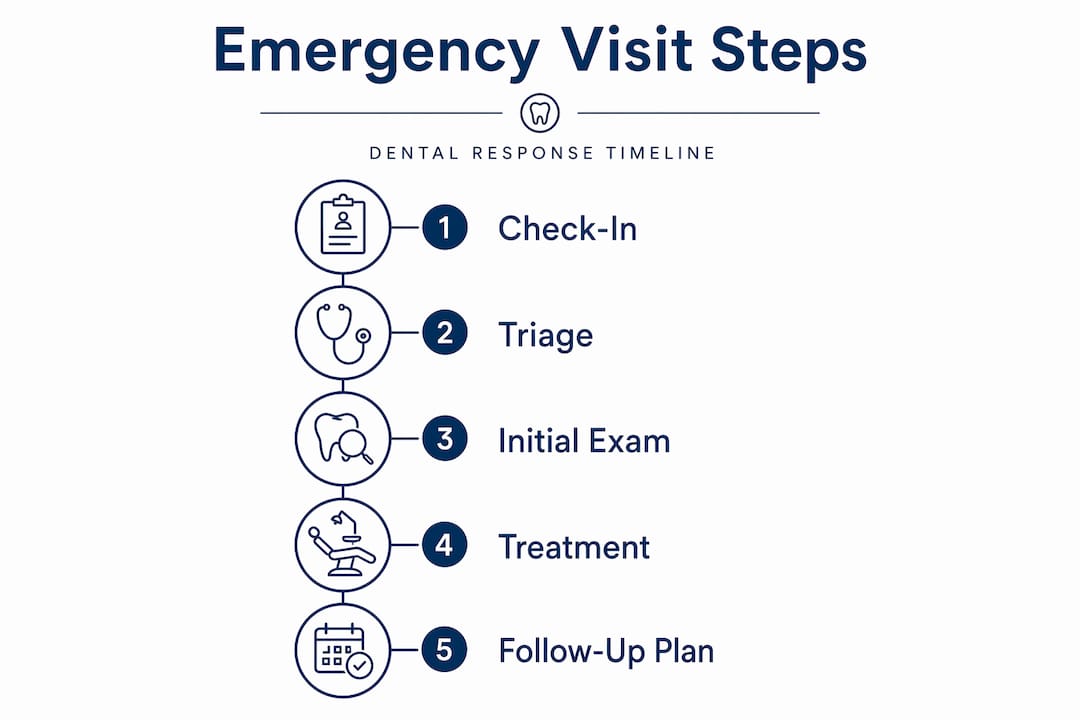
The process starts before you even sit in the chair. When you walk in reporting a dental emergency, the front desk immediately flags your case for clinical staff. A dental assistant or the dentist will do a rapid intake assessment, asking about your pain level, when the problem started, any visible trauma, and whether you have fever or swelling. That last detail matters more than most patients realize. Fever and facial swelling can signal a spreading infection, which moves your case to the front of the line.
Emergency dental clinicians prioritize cases with acute infection risk, extensive trauma, or severe pain, balancing treatment speed with comprehensive care planning. This is not random. It follows a triage model similar to what urgent care clinics use, where severity dictates order, not arrival time.
Here is what the triage assessment typically covers:
- Pain intensity and location: Localized pain versus radiating pain tells the dentist a lot about what structure is involved.
- Visible damage: Broken crowns, displaced teeth, or visible decay guide the clinical priority.
- Swelling and fever: These indicate possible infection that could spread beyond the mouth.
- Medical history flags: Blood thinners, diabetes, or heart conditions affect which treatments are safe to perform immediately.
- Time since injury: For trauma cases like knocked-out teeth, every minute counts.
Pro Tip: When you call ahead before walking in, describe your symptoms clearly, including pain level and any swelling. This allows the clinic to prepare the right room and equipment before you arrive, cutting your wait time significantly.
Common treatments you can expect during a walk-in visit
One of the biggest surprises for patients is how much can actually be done in a single emergency visit. Emergency dental treatment frequently involves temporarily stabilizing teeth or relieving pain until definitive restorative care can be completed, but that is only part of the picture. Many cases are fully resolved the same day.
The most common procedures performed during walk-in emergency visits include:
- Temporary or permanent fillings: For cracked or broken teeth where the nerve is exposed.
- Tooth extractions: When a tooth is too damaged to save, same-day extractions provide immediate relief.
- Emergency root canals: When infection reaches the pulp, a root canal stops the pain and prevents spread.
- Dental splinting: For teeth that are loose due to trauma but still viable.
- Abscess drainage: Lancing an abscess relieves pressure and stops the infection from advancing.
- Broken crown repair or replacement: Temporary crowns can be placed the same day in many practices.
Sedation is another option that more patients are asking about, and for good reason. Many emergency dentists provide sedation options and minimally invasive techniques to enhance patient comfort during urgent care. How emergency dental sedation works depends on the level chosen. Nitrous oxide (laughing gas) is the most common, taking effect within minutes and wearing off quickly. Oral sedation involves taking a pill before the appointment and produces a deeper state of calm. IV sedation is reserved for complex procedures or patients with severe dental anxiety. All three options keep you comfortable while the dentist works efficiently.
After the immediate issue is addressed, your dentist will outline a follow-up plan. Emergency care is the first chapter, not the whole story. You might need a permanent crown after a temporary one, or a follow-up cleaning after an abscess treatment. Knowing this going in prevents confusion later.
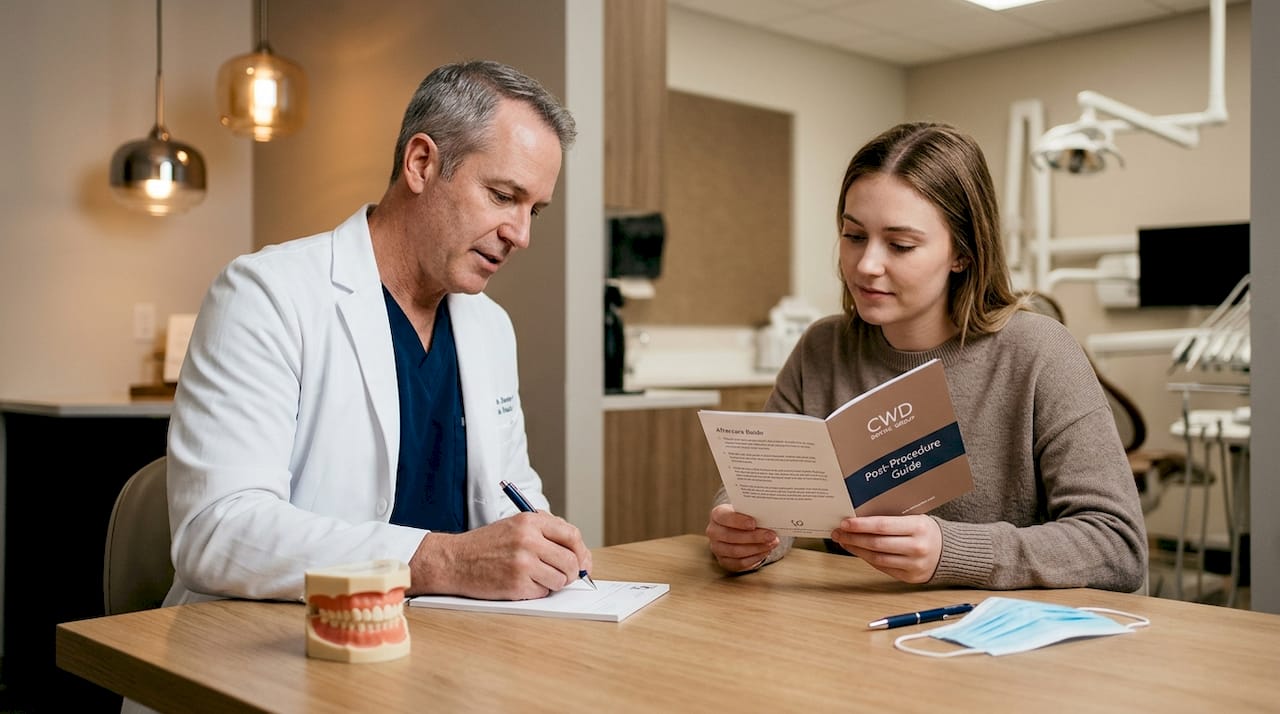
Pro Tip: Ask the dentist to write down your follow-up plan before you leave. Post-procedure medication and the stress of the visit can make it hard to remember verbal instructions clearly.
Typical response times and what affects how quickly you are seen
Response time in emergency dental care is not fixed. It depends on several factors that you can actually influence. Here is what shapes how fast you get treated:
- Severity of your case. A spreading abscess or knocked-out tooth will always move to the front. Moderate pain from a lost filling may wait longer if the clinic is busy.
- Time of day and clinic hours. Practices with extended hours and dedicated emergency slots move faster than those fitting walk-ins between scheduled appointments.
- Whether you called ahead. Calling before you arrive gives the clinic time to prepare, which shortens your actual chair time.
- Clinic volume at that moment. Walk-in volume fluctuates. Early mornings and weekday afternoons tend to be less crowded than Friday evenings.
- Your paperwork readiness. Having your insurance information, medication list, and medical history ready on arrival removes a common delay.
Emergency dental services increasingly offer extended hours and walk-in availability to improve patient access, with same-day treatment for broken teeth, abscesses, and trauma. Practices that invest in this model can typically see walk-in emergency patients within one to two hours, and often faster for severe cases.
Emergency dentists prioritize walk-in patients based on severity, available resources, and appointment schedules, which means wait times are variable but never arbitrary. The system is designed to get the most critical cases treated first, not to make you wait without reason.
What to do immediately after a dental emergency
What you do in the minutes before you reach the dentist can determine whether a tooth is saved or lost. This is especially true for knocked-out teeth. Replanting a knocked-out tooth within 30 to 60 minutes is critical to saving it, and the way you handle the tooth during that window matters enormously.
Here is a quick reference for the most common emergency situations:
| Emergency Type | Do This | Avoid This |
|---|---|---|
| Knocked-out tooth | Store in milk or saliva; get to dentist within 60 minutes | Tap water, scrubbing the root, letting it dry |
| Broken tooth | Rinse mouth with warm water; apply cold compress for swelling | Chewing on that side, ignoring sharp edges |
| Dental abscess | Rinse with warm salt water; take OTC pain reliever | Popping or squeezing the abscess |
| Lost filling or crown | Cover with dental cement (available at pharmacies) | Leaving the area exposed to food and bacteria |
| Soft tissue injury | Apply gentle pressure with clean gauze | Rinsing aggressively or using hot water |
Periodontal ligament cell viability diminishes quickly when a tooth dries out, which is why the storage method is not just a suggestion. Milk and saliva maintain the right pH and osmotic balance to keep those cells alive. Tap water does not, and scrubbing the tooth with any material destroys the root cells needed for successful replanting.
Regarding the emergency room question: go to an ER if you have uncontrolled bleeding, difficulty breathing or swallowing, or severe facial trauma. For most dental pain, abscesses, and tooth injuries, a dentist is the right call. ERs can prescribe antibiotics and pain medication but cannot perform dental procedures.
Pro Tip: Keep a small dental emergency kit at home: dental cement, gauze, a small container with a lid, and your dentist's emergency number. It takes five minutes to assemble and can save a tooth.
How technology makes walk-in emergency visits faster and less stressful
The emergency dental visit of ten years ago looked very different. Multiple X-rays, longer waits for film development, and more guesswork in diagnosis. Today, digital X-rays and cone beam CT imaging enable rapid diagnosis during emergency visits, reducing the need for multiple appointments and giving patients a clear picture of what is happening in their mouth.
That last point is underrated. When a dentist can show you on a screen exactly where the infection is or how the root is fractured, your anxiety drops. You stop imagining worst-case scenarios and start understanding your actual situation. That clarity changes the entire experience.
"Modern emergency dentistry balances immediate symptom relief with patient comfort and education to improve outcomes." Modern practices that invest in communication tools, such as intraoral cameras and real-time imaging displays, consistently report higher patient satisfaction and better treatment compliance after the visit.
Minimally invasive techniques also play a role. Laser-assisted procedures reduce bleeding and recovery time for soft tissue emergencies. Cone beam CT scans identify fractures that standard X-rays miss, preventing unnecessary extractions. And sedation options, from nitrous oxide to oral sedation, mean that even patients with severe dental anxiety can get through an emergency visit without trauma.
Clinics that offer flexible Saturday hours and extended weekday availability remove another barrier entirely. You should not have to choose between your job and your dental health.
My take on what actually matters in a dental emergency
I have spent years watching patients arrive in genuine distress, convinced that their situation is either not serious enough to bother a dentist with or so catastrophic that nothing can be done. Both assumptions are almost always wrong.
What I have seen repeatedly is that the patients who do best are not the ones who waited to see if the pain went away. They are the ones who acted fast, called ahead, and arrived with the tooth stored correctly or the bleeding controlled. The clinical skill of the dentist matters, but the patient's first ten minutes after an injury matter just as much.
I have also noticed that people underestimate how much anxiety affects their perception of wait times and pain. A dentist who takes thirty seconds to explain what they are about to do before doing it changes the entire experience for a patient. That communication is not a luxury. It is part of the treatment.
The other thing I would push back on is the idea that emergency dental care is just a patch job. Done well, it is a complete assessment. A good emergency dentist is not just stopping the pain. They are identifying what caused it, what it means for the rest of your mouth, and what needs to happen next. That is the difference between a clinic that gets you out the door and one that actually helps you.
— Kayle
Get same-day emergency dental care in Tallahassee
If you are dealing with a dental emergency right now, Cwddentalgroup is ready to see you. The team at CWD Dental Group offers same-day emergency appointments for walk-in patients throughout Tallahassee, with no long waits and no runaround.

Whether you have a knocked-out tooth, a severe abscess, a broken crown, or pain that will not quit, their emergency dental services are built around getting you comfortable and treated fast. The practice uses digital imaging for rapid diagnosis, offers sedation for anxious patients, and works with most major insurance plans. Their team is known for treating patients like people, not appointments. Call ahead or walk in. They will take it from there.
FAQ
How quickly can I be seen as a walk-in dental emergency patient?
Most emergency dental practices see walk-in patients within one to two hours, though severe cases involving infection or trauma are typically prioritized and seen faster. Calling ahead before you arrive can reduce your wait time further.
What counts as a dental emergency?
A dental emergency includes severe tooth pain, knocked-out or broken teeth, dental abscesses with swelling, uncontrolled bleeding, and lost crowns or fillings causing significant discomfort. If the pain is disrupting your daily function or you have visible swelling, treat it as an emergency.
Can a dentist save a knocked-out tooth during a walk-in visit?
Yes, if you arrive quickly. Replanting a knocked-out tooth within 30 to 60 minutes gives the best chance of success. Store the tooth in milk or saliva on the way to the clinic, and never scrub or rinse it with tap water.
Is sedation available during emergency dental visits?
Many emergency dentists offer sedation options including nitrous oxide, oral sedation, and in some cases IV sedation. These options are especially helpful for patients with dental anxiety or those undergoing more complex emergency procedures.
Should I go to an emergency room or a dentist for a dental emergency?
Go to an emergency room if you have difficulty breathing or swallowing, severe facial trauma, or bleeding you cannot control. For most dental pain, abscesses, and tooth injuries, an emergency dentist is the better choice since ERs cannot perform dental procedures.