
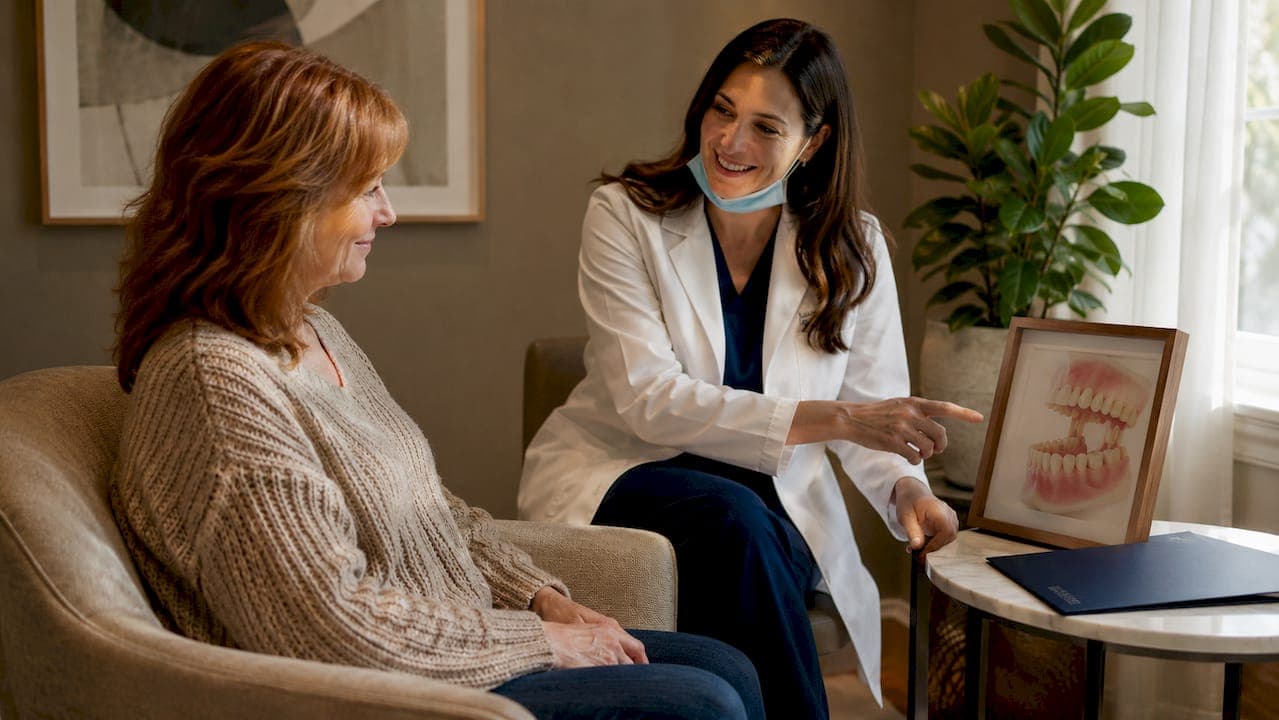
Cosmetic dentistry is defined as any dental treatment that improves the appearance of teeth, gums, or bite while preserving or enhancing oral function. Before and after comparisons are the most direct way to evaluate what a procedure can realistically deliver, but cosmetic dentistry before after considerations go far deeper than a single photo. The best outcomes depend on thorough health screening, functional planning, and patient-approved design before a single tooth is touched. Cwddentalgroup builds every cosmetic case on that foundation, combining diagnostic precision with personalized smile design to produce results that look natural and last.
1. What are the key dental health assessments before cosmetic procedures?
A comprehensive oral health diagnosis, including gum health assessment, TMJ exam, and bite analysis, is the required first step before any cosmetic work begins. Dentists routinely decline cosmetic treatment when active gum disease or decay is present, because restoration failure is the predictable result of skipping this step. Treating the underlying health issues first protects both the patient's long-term wellbeing and their financial investment.
The pre-treatment exam covers several specific areas:
- Gum health: Inflamed or receding gums change the visible gum line, which directly affects how veneers or crowns look after placement.
- Bite and TMJ: Misaligned bite forces cause premature wear on restorations. A dentist must confirm the jaw functions correctly before placing porcelain.
- Existing decay or cracks: Cosmetic work placed over untreated decay will fail within months.
- Bone density: Relevant when implants are part of the plan, bone volume determines whether implant placement is viable.
Pro Tip: Ask your dentist for a written summary of your pre-treatment health findings. That document gives you a clear baseline and helps you track how your oral health improves before cosmetic work starts.
Functional health aspects like bite alignment ensure cosmetic improvements remain durable and do not fail prematurely due to chewing forces. True cosmetic planning blends dental science with artistry, prioritizing function and aesthetics equally.
2. How do before and after photos help in setting realistic expectations?
Before and after photos are the most honest communication tool in cosmetic dentistry. They show what a specific procedure actually produces, not what a marketing image promises. The key is viewing cases where the patient's starting condition closely matches yours.
Useful before and after comparisons share several qualities:
- Similar starting conditions: A patient with severe crowding needs different cases than someone correcting minor discoloration.
- Consistent lighting and angle: Photos taken under different conditions can exaggerate or hide results. Ask for standardized clinical photos.
- Range of outcomes: Subtle transformations and dramatic ones both belong in a portfolio. A practice showing only extreme makeovers may not represent typical results.
- Procedure-specific sets: Whitening results differ from veneer results. Viewing the right category matters.
Digital Smile Design (DSD) allows patients to preview cosmetic treatment outcomes before any tooth preparation begins. Patients approve designs through photo or video mockups, which means informed consent happens before procedures start, not after. That preview step closes the gap between what a patient imagines and what the dentist plans to deliver.
3. What are common cosmetic dentistry procedures shown in before and after comparisons?
The most frequently featured treatments in before after dental treatment galleries each address different aesthetic problems. Understanding what each procedure changes, and what it requires, helps patients choose the right path.

Porcelain veneers cover the front surface of teeth to correct color, shape, and minor alignment. They require light enamel removal and last 10–15 years with proper care. Results are dramatic and consistent in before and after sets.
Dental bonding uses tooth-colored resin to repair chips, gaps, or discoloration. No enamel removal is needed, costs are lower, and results are visible immediately. Bonding is less durable than porcelain but ideal for conservative corrections.
Professional whitening addresses surface and intrinsic staining. Before and after photos show the most variation here because starting shade and stain type determine how many shades of improvement are achievable. Whitening does not change the color of existing crowns or veneers.
Porcelain crowns cap a damaged or misshapen tooth entirely. They appear in before and after comparisons involving broken teeth, large old fillings, or teeth that need both structural and cosmetic correction.
Clear aligner therapy (such as Invisalign) corrects crowding and spacing. Before and after photos show alignment changes over months, not days. The aesthetic impact is significant, but the timeline is longer than restorative options.
Costs vary widely based on individual patient needs rather than a standard fee schedule, and successful treatment plans minimize unnecessary tooth removal. Conservative preparation preserves enamel, which directly supports the natural look of the final result.
Pro Tip: Review at least 10–15 before and after cases for the specific procedure you are considering. One or two photos do not represent a dentist's full range of skill.
4. What factors cause cosmetic dentistry results to look artificial?
Artificial-looking cosmetic dentistry most often results from ignoring gum health and the natural physics of light reflection. Overly opaque or uniformly white teeth lack the translucency that natural enamel has. That absence of depth is what makes a smile look like a set of bathroom tiles rather than real teeth.
Several specific factors drive the "fake" appearance:
- Excessive whiteness: Natural teeth are not pure white. Restorations that are too bright stand out against skin tone and the surrounding oral tissue.
- Uniform shape: Real teeth have slight variations in size and edge detail. Perfectly identical veneers look manufactured.
- Mismatched restorations: Treating only a few anterior teeth without addressing adjacent teeth creates visible color and texture mismatches.
- Poor gum contours: Uneven gum lines frame the teeth asymmetrically, drawing attention to the dental work rather than the smile.
- Ignoring facial harmony: Tooth size and shape must relate to lip movement, face width, and the patient's age. A 60-year-old with the tooth proportions of a 25-year-old looks off.
Cosmetic dentistry expert guidance confirms that results should highlight the person, not the dental work. Chasing trends or unrealistic brightness leads directly to smiles that look overdone. The goal is integration, not transformation for its own sake.
Pro Tip: Bring a photo of your smile from 10–15 years ago to your consultation. It gives the dentist a reference for your natural tooth shade and proportions, which is the most reliable guide for a result that looks like you.
5. How to prepare for cosmetic dentistry using before and after considerations
Preparation is where patients have the most control over their final result. The steps below move in a logical sequence from health to design to approval.
- Complete all necessary health treatment first. Address gum disease, decay, and any structural issues before cosmetic planning begins. Skipping this step risks the entire investment.
- Gather your reference photos. Collect before and after cases that match your starting condition and the result you want. Bring them to your consultation as a communication tool, not a demand.
- Request a Digital Smile Design preview. DSD generates a visual mockup of your planned result. Reviewing it before any preparation begins lets you request changes without cost or commitment.
- Complete the provisional test-drive phase. Temporary mockups worn for 2–4 weeks let you eat, talk, and assess the shape and fit of your planned restorations in real life. This phase catches problems before permanent bonding.
- Maintain your oral health during the process. Brush twice daily, floss, and keep scheduled cleanings. Gum inflammation during treatment affects how restorations fit and how the final result photographs.
- Approve every stage in writing. Sign off on shade, shape, and fit at each milestone. Written approval protects both you and your dentist if adjustments are needed later.
Patients who complete a cosmetic dentistry consultation before committing to a specific procedure consistently report higher satisfaction with their final results. The consultation is not a sales step. It is a diagnostic and design session that determines whether your expectations and the clinical reality align.
Key Takeaways
The most effective cosmetic dentistry outcomes combine thorough health screening, patient-approved design previews, and conservative tooth preparation to produce natural, durable results.
| Point | Details |
|---|---|
| Health screening comes first | Active gum disease or decay must be treated before any cosmetic work begins. |
| Before and after photos require context | View cases with similar starting conditions and consistent clinical photography. |
| Translucency prevents fake results | Natural-looking restorations match surrounding teeth in shade, texture, and light reflection. |
| The test-drive phase is non-negotiable | Wearing temporaries for 2–4 weeks allows real-world approval before permanent placement. |
| Function and aesthetics must align | Bite stability and jaw health determine whether cosmetic results last long term. |
What patients miss when reading before and after galleries
The most common mistake I see patients make is treating before and after photos as a menu. They point to a result and say, "I want that." The problem is that result belongs to a different person with different bone structure, gum tissue, and tooth color. What worked there may look wrong on you.
The cases that impress me most are not the dramatic ones. They are the subtle ones where you have to look twice to identify what changed. A well-placed set of veneers should make people think you look rested or confident, not that you got dental work. That is the standard worth holding your dentist to.
Patients also underestimate the test-drive phase. Wearing temporaries for a few weeks feels like an inconvenience, but it is the only way to know whether a shape works in real life. I have seen patients approve a design in a photo mockup and then request changes once they lived with the temporaries. That feedback loop is what separates a good result from a great one.
The last thing I would say: be skeptical of any practice that skips the health screening and goes straight to treatment planning. The integrated approach combining health, function, and aesthetics is not optional. It is the difference between a result that lasts a decade and one that fails in two years.
— Kayle
Cosmetic dentistry services at Cwddentalgroup
Cwddentalgroup offers a full range of cosmetic procedures, from porcelain veneers and professional whitening to dental bonding and crowns, all planned through a patient-centered diagnostic process. Every treatment plan at Cwddentalgroup starts with a health assessment and includes a design preview phase so patients see their expected outcome before any preparation begins.
The practice serves Tallahassee patients with same-day appointments for urgent needs and scheduled consultations for cosmetic planning. Whether you are exploring your first cosmetic procedure or ready to move forward with a full smile makeover, the team at Cwddentalgroup walks you through every stage. Schedule a consultation through the Cwddentalgroup dental services page and get a clear picture of what your results can look like before treatment starts.
FAQ
What should I check before starting cosmetic dentistry?
A dentist must assess gum health, bite alignment, and any active decay before cosmetic treatment begins. Skipping this step risks restoration failure and additional costs.
How accurate are Digital Smile Design previews?
Digital Smile Design produces photo and video mockups that closely reflect the planned result. Patients can request adjustments to shade, shape, and proportion before any tooth preparation starts.
Why do some veneers look fake?
Overly white or opaque veneers lack the translucency of natural enamel, which is the primary cause of an artificial appearance. Matching shade, texture, and gum contour to the surrounding teeth produces a natural result.
How long does the test-drive phase last?
The provisional test-drive phase typically runs 2–4 weeks. Patients wear temporary restorations during this period to evaluate fit, shape, and comfort before permanent bonding.
How do I choose a cosmetic dentist?
Review before and after cases with starting conditions similar to yours, confirm the practice uses health screening before treatment, and ask whether a Digital Smile Design preview is part of the planning process.