

A cosmetic dentistry consultation is defined as a structured clinical and aesthetic evaluation that replaces guesswork with a personalized, evidence-based treatment plan. Before any whitening, veneers, or orthodontic work begins, this initial assessment determines whether your teeth, gums, bite, and facial proportions can support the results you want. Skipping this step is one of the most common reasons patients end up with cosmetic outcomes that look wrong, wear prematurely, or create new dental problems. The good news is that understanding why cosmetic dentistry requires consultation puts you in control of the entire process from the start.
Why cosmetic dentistry requires consultation before any procedure
The core reason every reputable cosmetic dentist insists on a consultation first is clinical safety. Cosmetic dentistry decisions must account for TMJ health, gum condition, and bite function, not just how your smile looks in photos. Treating aesthetics without addressing these underlying factors produces results that fail faster and cost more to fix.
Consultations replace uncertainty with clarity by carefully evaluating facial harmony and long-term dental stability before any treatment is proposed. This matters because cosmetic procedures like porcelain veneers or full-mouth reconstruction alter tooth structure permanently. A dentist who skips the diagnostic phase cannot reliably predict how those changes will interact with your bite, jaw joints, or gum tissue over time.
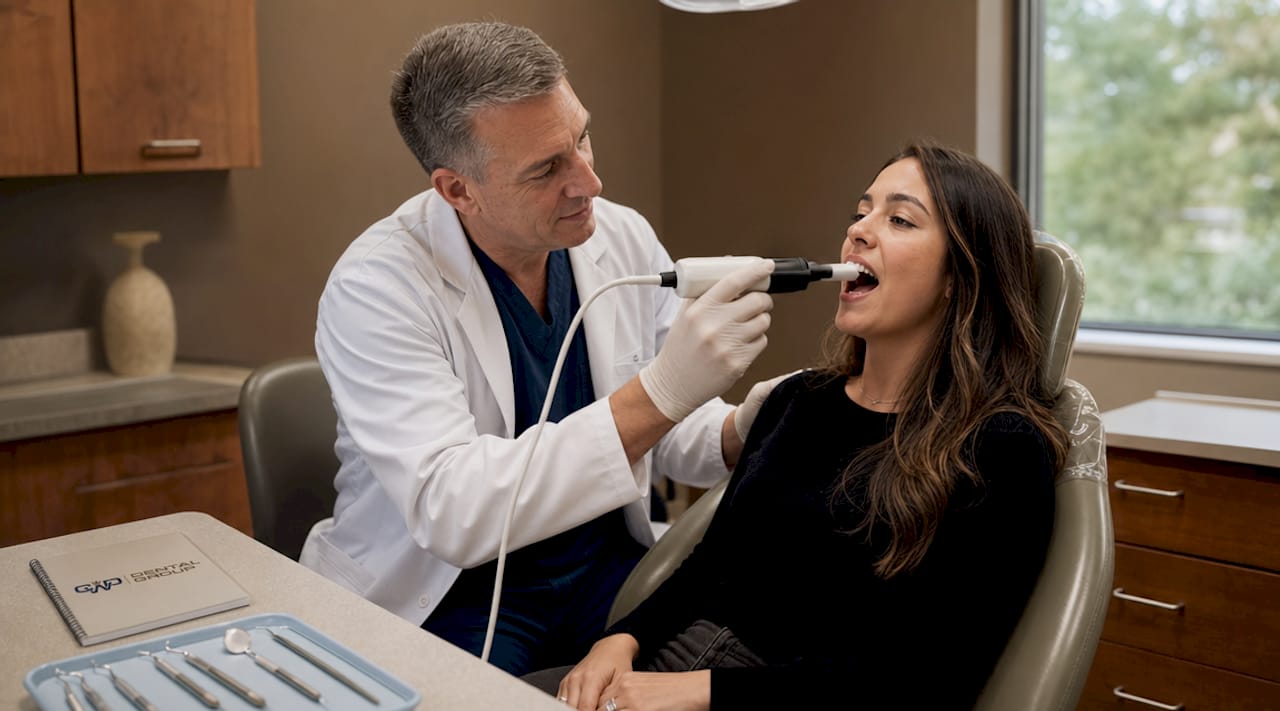
Skipping consultation risks results that don't fit a patient's oral health or aesthetic goals, leading to frustration and costly revisions. That outcome is entirely preventable. The consultation is the mechanism that aligns what you want with what your mouth can safely support.
What happens during a cosmetic dentistry consultation?
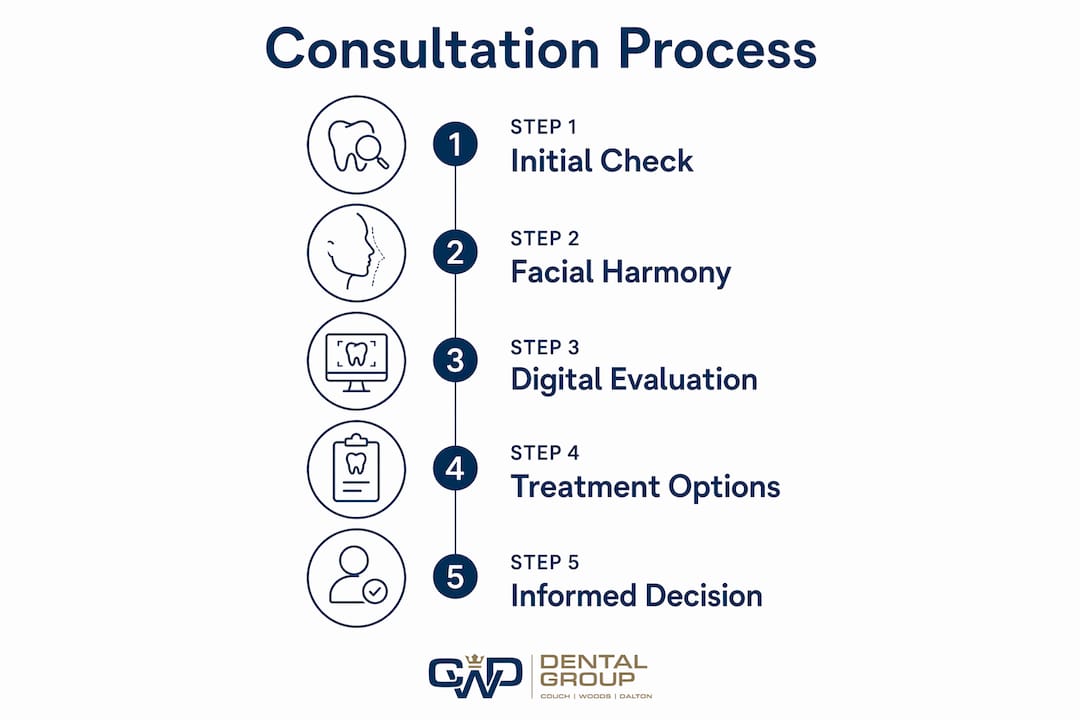
A well-run cosmetic consultation lasts between 30 and 90 minutes depending on the complexity of your goals and the number of procedures under consideration. Every minute of that time serves a specific diagnostic or planning purpose. Here is what a thorough initial cosmetic dentistry assessment typically covers:
- Smile goals conversation. The dentist asks what you dislike about your current smile and what outcomes you are hoping to achieve. This shapes every clinical decision that follows.
- Comprehensive oral health evaluation. Gum health, bite alignment, tooth wear, and bone structure are all assessed. Cosmetic work built on unhealthy foundations does not last.
- Dentofacial analysis. Consultations focus on smile dynamics, lip movement, and facial proportions to ensure proposed changes complement your overall appearance, not just your teeth in isolation.
- Diagnostic records. Photos, 3D scans, and videos of smile dynamics provide objective data for both aesthetic and functional planning. These records also let you see a digital preview of proposed outcomes before committing.
- Treatment options discussion. The dentist presents multiple pathways, explains the pros and cons of each, and outlines realistic timelines, sequencing, and maintenance requirements.
- Cost and insurance review. You receive a clear picture of financial investment and, where applicable, what your insurance covers.
One detail that surprises many patients: no permanent or irreversible work happens during a consultation visit. The entire appointment is for planning and education. You leave with information and options, not a drilled tooth. That design protects your autonomy completely.
Why skipping a consultation creates real clinical risk
The benefits of dental consultation go well beyond convenience. They are the difference between a treatment plan built on data and one built on assumptions.
Consider veneers as a concrete example. A patient who wants veneers to close gaps may actually have a bite issue causing those gaps to reopen over time. Without a consultation that includes bite analysis, the veneers are placed, the gaps return within two years, and the patient pays twice. The consultation would have identified the bite issue first and sequenced orthodontic correction before the cosmetic work.
Transparency about alternatives and costs during consultation also protects patients from being steered toward expensive procedures when simpler options would achieve the same result. A dentist who presents only one treatment path during a first meeting is not running a diagnostic consultation. They are running a sales appointment.
Pro Tip: Ask your dentist to explain at least two treatment options for your concern, including the most conservative one. A dentist confident in their work will always present alternatives.
The consultation also gives you time to think. No ethical cosmetic dentist expects you to sign off on treatment the same day. That pressure-free environment is a feature, not a formality. It reflects the importance of dental consultation as an informed consent process, not just a scheduling step.
How to prepare for your cosmetic dental consultation
Preparation turns a good consultation into a great one. Patients who arrive organized get more out of every minute with the dentist. Follow this sequence before your appointment:
- Gather your documents. Bring a valid photo ID, your dental insurance card, and a current list of medications and supplements. Some medications affect healing and gum health, which directly influences treatment planning.
- Write down your smile concerns. Be specific. "I hate my front teeth" is less useful than "My two front teeth are chipped and yellowed and I want them to look more even." Specificity helps the dentist target the evaluation.
- Collect smile inspiration photos. Images of smiles you admire give the dentist a visual reference for your aesthetic preferences. They also reveal whether your expectations are realistic for your facial structure.
- Prepare your questions. A solid cosmetic dentistry consultation questions guide covers: How long will results last? What happens if I need repairs? Are there less invasive alternatives? What is the total cost including follow-up care?
- Research the dentist's portfolio. Confirm that before-and-after photos are the dentist's own work, not generic marketing images. Authentic case photos reveal actual skill and realistic outcomes.
- Reflect on your timeline. Do you have a wedding, reunion, or event driving your timeline? Share that upfront. It affects which procedures are feasible and in what sequence.
Patients who bring ID, insurance, medications, and questions consistently get more productive consultations. That preparation signals to the dentist that you are a serious, engaged patient, which tends to bring out the most thorough clinical thinking in return.
How modern consultation technology changes what you can expect
The gap between a basic surface evaluation and a comprehensive diagnostic consultation has widened significantly as technology has advanced. Understanding that difference helps you choose the right practice.
| Consultation type | Tools used | What you learn |
|---|---|---|
| Surface evaluation | Visual exam, basic X-rays | General treatment category and rough cost |
| Comprehensive diagnostic | 3D scans, digital smile design, bite analysis, photos | Precise treatment plan, visual preview, sequencing, risk factors |
| Full dentofacial assessment | All of the above plus joint and facial proportion analysis | Complete picture of aesthetic and functional outcomes |
Digital smile design previews results visually before any procedure begins, and this technology has become standard at quality practices. The practical benefit is significant: you see a simulation of your proposed smile on your actual face before committing to anything. Misaligned expectations, which are the leading cause of post-treatment dissatisfaction, are caught and corrected at the planning stage instead of after irreversible work is done.
Practices using advanced digital tools like 3D imaging and smile design software also produce more accurate treatment timelines and cost estimates. The data removes guesswork from both sides of the conversation. You know what to expect. The dentist knows exactly what they are working with. That shared clarity is what makes cosmetic treatment evaluation reliable rather than approximate.
Evaluating a dentist's communication style during the consultation itself is also a legitimate part of the process. How a dentist explains options, handles your questions, and responds to hesitation tells you whether their treatment philosophy matches your preferences.
Key takeaways
A cosmetic dentistry consultation is the non-negotiable first step that aligns your aesthetic goals with clinical reality, prevents costly mistakes, and gives you full control over every treatment decision.
| Point | Details |
|---|---|
| Consultation precedes all treatment | No safe cosmetic plan exists without first evaluating gum health, bite, and facial proportions. |
| No irreversible work at consultation | The visit is purely diagnostic and educational, preserving your right to decide without pressure. |
| Preparation improves outcomes | Bringing photos, questions, and medical history makes the consultation more precise and productive. |
| Technology raises the standard | Digital smile design and 3D scans let you preview results and catch expectation gaps before treatment starts. |
| Communication style matters | How a dentist explains options during consultation reveals whether they are the right fit for your goals. |
What I've learned from watching consultations go right and wrong
I've reviewed enough cosmetic dentistry cases to say this clearly: the consultation is where outcomes are won or lost. Not in the operatory. Not during the final polish. At the planning table, before a single instrument touches a tooth.
The patients who walk away unhappy almost always share one thing in common. They either skipped the consultation entirely, or they sat through one where the dentist did most of the talking and none of the listening. A consultation that doesn't surface your specific concerns, your timeline, your budget anxiety, and your fear of looking "overdone" is not a consultation. It's a pitch.
What I find genuinely underappreciated is the consultation's role as a trust-building session. Consultations are educational, collaborative sessions that reduce uncertainty and build the kind of patient-dentist relationship where honest feedback flows both ways. When a patient feels heard in that first meeting, they are far more likely to follow through with treatment, comply with aftercare, and return for maintenance. That compliance directly affects how long results last.
My honest advice: treat your consultation like a job interview where you are the employer. Ask hard questions. Notice whether the dentist offers alternatives or pushes a single solution. Check whether they explain treatment philosophy clearly or gloss over the details. The answers you get in that room predict the quality of care you will receive in the chair.
— Kayle
Start your smile transformation with a no-pressure consultation
Cwddentalgroup offers comprehensive cosmetic dentistry consultations in Tallahassee designed around your goals, not a preset treatment menu. Every consultation includes a full oral health evaluation, digital smile design preview, and a transparent discussion of all your options, including the most conservative ones. There is no obligation to proceed and no pressure to decide on the day.
The team at Cwddentalgroup uses advanced imaging and smile design tools to give you a clear picture of what your results will look like before any treatment begins. Same-day appointments are available for patients with urgent concerns. If you are ready to replace uncertainty with a concrete, personalized plan, book your consultation with Cwddentalgroup today and take the first step with full confidence.
FAQ
Why does cosmetic dentistry require a consultation first?
Cosmetic dentistry requires a consultation because aesthetic procedures must be built on a foundation of healthy gums, a stable bite, and sound bone structure. Without a clinical evaluation, treatments like veneers or whitening may fail prematurely or create new dental problems.
How long does a cosmetic dentistry consultation take?
A cosmetic dentistry consultation lasts between 30 and 90 minutes depending on the complexity of your goals. More involved cases requiring 3D scans and digital smile design previews take longer but produce more precise treatment plans.
What should I bring to my cosmetic dental consultation?
Bring a photo ID, dental insurance information, a current medication list, and photos of smiles you find appealing. Prepared patients get more specific, productive consultations and clearer treatment recommendations.
Will I receive treatment at my consultation appointment?
No. No permanent or irreversible work happens during a consultation visit. The appointment is entirely for evaluation, education, and planning, so you leave with options and time to decide.
How do I know if a cosmetic dentist is right for me?
Assess the dentist's communication style and whether they present multiple treatment options, including conservative alternatives. A dentist who listens carefully, explains risks honestly, and shows authentic before-and-after cases is demonstrating the transparency that leads to successful outcomes.