

Your smile is often the first thing people notice about you, and the types of cosmetic dental procedures available today make meaningful improvement more accessible than ever. Whether you are dealing with stubborn stains, chipped teeth, gaps, or missing teeth entirely, there is a specific treatment built for your situation. Cosmetic dentistry, the clinical term used by dental professionals, covers a broad range of popular dental treatments that improve appearance, and sometimes function, of teeth and gums. The challenge is knowing which option actually fits your goals, your budget, and your dental baseline.
Table of Contents
- Key takeaways
- 1. Teeth whitening methods: the most popular starting point
- 2. Dental veneers: permanent transformation for your smile
- 3. Composite dental bonding: the fast, affordable fix
- 4. Clear aligners and cosmetic orthodontics
- 5. Dental implants and crowns for cosmetic and restorative goals
- 6. Gum contouring and tooth reshaping
- 7. Comparing popular cosmetic dental procedures side by side
- My honest take on choosing the right cosmetic procedure
- Ready to explore your cosmetic options with real experts?
- FAQ
Key takeaways
| Point | Details |
|---|---|
| Multiple procedures exist | Teeth whitening, veneers, bonding, aligners, and implants each solve different cosmetic problems. |
| Cost and invasiveness vary widely | Some treatments cost under $100; others require surgery and months of recovery. |
| Insurance rarely covers cosmetic work | Most aesthetic dental procedures are elective and not covered by standard dental plans. |
| Your dental health baseline matters | Cavities, gum disease, or enamel erosion must be addressed before cosmetic treatments begin. |
| Consultation is non-negotiable | A dentist assessment determines candidacy, realistic outcomes, and the correct sequence of treatments. |
1. Teeth whitening methods: the most popular starting point
Teeth whitening is where most people begin their cosmetic dentistry journey, and for good reason. It is the least invasive option, delivers noticeable results quickly, and costs far less than most other aesthetic dental procedures.
The two main paths are in-office whitening and at-home whitening. In-office treatments use high-concentration peroxide, typically 35 to 40% hydrogen peroxide, applied by a dental professional with carefully controlled exposure times of 20 to 60 minutes. Results are dramatic and immediate. At-home whitening strips typically use 3% to 15% peroxide, making them safer for unsupervised use, though results build over days or weeks rather than a single appointment.
Key considerations before whitening:
- Works best on extrinsic stains from coffee, tea, red wine, and tobacco
- Does not whiten crowns, veneers, or bonding material, which can create color mismatches
- Sensitivity is the most common side effect, typically temporary
- Results are not permanent and require periodic touch-ups depending on lifestyle
Pro Tip: Ask your dentist about isolation and exposure control techniques during in-office whitening. Proper isolation dramatically improves efficacy and reduces sensitivity, which is the main reason in-office results outperform even the best at-home kits.
2. Dental veneers: permanent transformation for your smile
Veneers are thin shells bonded to the front surface of your teeth. They are one of the most requested cosmetic dentistry options for patients who want a complete smile overhaul rather than a single-tooth fix.
There are several veneer types to understand before committing:
- Porcelain veneers: The gold standard. Lifelike, stain resistant, and durable for 10 to 15 years or longer.
- Composite resin veneers: Applied directly to the tooth in a single visit. More affordable but less durable.
- Zirconia veneers: Extremely strong and suited for patients with heavy bite force.
- Minimal or no-prep veneers: Require little to no enamel removal, though some enamel reduction may still be needed for proper bonding.
- Snap-on veneers: Removable and non-invasive. A good preview option, though not a permanent solution. Learn more about snap-on veneer options if you want a commitment-free test drive.
One critical tradeoff: traditional veneers require enamel removal, which is irreversible. Once you commit, you will always need veneers on those teeth. Most insurance plans classify veneers as cosmetic and will not cover the cost, which typically ranges from $900 to $2,500 per tooth for porcelain.
Pro Tip: Minimal-prep veneers depend heavily on enamel quality. If your enamel is thin or compromised, your dentist may still need to remove some tooth structure, so "no drilling" marketing should be treated with healthy skepticism.
3. Composite dental bonding: the fast, affordable fix
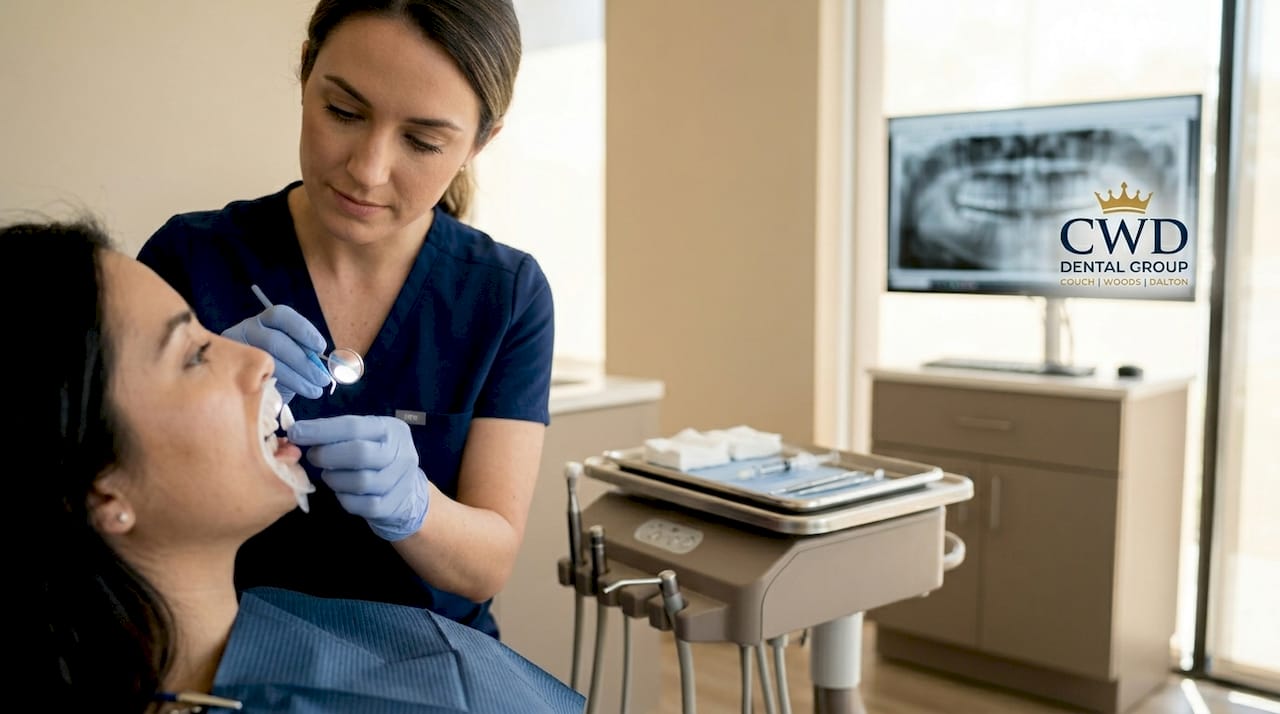
Dental bonding is one of the least expensive cosmetic procedures in dentistry, and it is often completed in a single appointment. The dentist applies a tooth-colored composite resin directly to the tooth, shapes it, and hardens it with a curing light.
Bonding works well for:
- Repairing small chips or cracks
- Covering minor discoloration or staining that whitening cannot fix
- Closing small gaps between teeth
- Reshaping a tooth that looks shorter or irregular
The cost typically runs between $100 and $400 per tooth, making it accessible to most patients. The limitation is longevity. Composite resin is not as strong as porcelain and can stain or chip over time, usually requiring touch-ups every 5 to 7 years.
For patients dealing with minor damage who want a quick, budget-friendly solution, dental bonding in Tallahassee and across the country remains a go-to restorative dental procedure. It delivers real cosmetic improvement without the preparation required for veneers.
4. Clear aligners and cosmetic orthodontics
Crooked or crowded teeth are one of the most common cosmetic concerns, and clear aligners have changed how adults approach orthodontic treatment. Unlike traditional metal braces, systems like Invisalign use a series of custom-fitted transparent trays that shift teeth gradually over time.
Why adults prefer aligners for cosmetic results:
- Nearly invisible during wear, which removes social hesitation
- Removable for eating, drinking, and cleaning teeth
- Treatment time typically ranges from 6 to 18 months depending on complexity
- Improve both smile aesthetics and long-term oral hygiene by correcting crowding
Clear aligners are not ideal for every case. Severe bite issues or significant misalignment may still require traditional orthodontic work. Costs vary widely, from roughly $3,000 to $8,000, depending on treatment duration and provider.
One underappreciated benefit: straighter teeth are genuinely easier to clean. Cosmetic orthodontic treatment often reduces long-term risk of gum disease and decay by eliminating hard-to-reach overlapping surfaces.
5. Dental implants and crowns for cosmetic and restorative goals
Implants and crowns sit at the intersection of cosmetic and restorative dentistry. A dental implant replaces a missing tooth by placing a titanium post into the jawbone, which then fuses with the bone over several months. A crown is placed on top to mimic the appearance and function of a natural tooth.
Here is how implants and crowns compare for aesthetic purposes:
| Feature | Dental implant | Dental crown |
|---|---|---|
| Best for | Missing tooth replacement | Damaged or weakened existing tooth |
| Procedure time | Months (healing required) | 1 to 2 visits |
| Durability | 15 to 25 years or longer | 10 to 15 years |
| Cost range | $3,000 to $6,000 per tooth | $800 to $2,000 per tooth |
| Insurance coverage | Often partially covered | Sometimes covered if restorative |
Implants are the most durable and natural-looking solution for missing teeth, but they require surgery, bone density evaluation, and a healing period. Crowns, on the other hand, are faster and often partially covered by insurance when a tooth has been damaged by decay or fracture.
6. Gum contouring and tooth reshaping
Not every cosmetic concern is about tooth color or alignment. Sometimes the problem is the shape of the gums or the contour of individual teeth. Gum contouring, also called gum reshaping, removes excess gum tissue to expose more of the tooth surface, addressing what many patients call a "gummy smile."
Tooth reshaping, or enameloplasty, removes small amounts of enamel to fix minor chips, uneven edges, or slightly overlapping teeth. Both procedures are relatively minor, completed in a single visit, and typically cost between $50 and $350 per tooth.
These treatments are often combined with other best cosmetic enhancements for a more complete result. A patient who has veneers placed may also have gum contouring done at the same time to create uniform tooth-to-gum proportions across the smile.
7. Comparing popular cosmetic dental procedures side by side
Choosing between aesthetic dental procedures is easier when you see the full picture in one place.
| Procedure | Primary purpose | Invasiveness | Estimated cost | Typical longevity |
|---|---|---|---|---|
| Teeth whitening | Remove staining | Minimal | $50 to $1,000 | 6 months to 2 years |
| Composite bonding | Repair chips, cover stains | Low | $100 to $400/tooth | 5 to 7 years |
| Porcelain veneers | Full smile transformation | Moderate | $900 to $2,500/tooth | 10 to 15 years |
| Clear aligners | Straighten teeth | Low to moderate | $3,000 to $8,000 | Permanent with retention |
| Dental implant | Replace missing tooth | High | $3,000 to $6,000 | 15 to 25+ years |
| Gum contouring | Reshape gum line | Low to moderate | $50 to $350/tooth | Permanent |
The right choice depends heavily on what you are actually trying to fix. Whitening addresses color but does nothing for shape or alignment. Veneers can fix color, shape, and minor spacing issues in one treatment but require a permanent commitment. Implants solve tooth loss but are a surgical procedure.
A practical approach: start with the least invasive option that addresses your primary concern, then evaluate from there.
My honest take on choosing the right cosmetic procedure
I have seen patients come in with a photo of a celebrity smile and a firm idea of exactly what procedure they want. That conviction is understandable. What I have learned, though, is that the gap between wanting a specific procedure and actually being a good candidate for it can be significant.
The most common mistake I encounter is patients choosing based on cost alone. Bonding is inexpensive, but if your real problem is severe discoloration combined with misalignment, bonding will not get you there. You will spend money, feel disappointed, and still need a more involved treatment later.
What actually works is starting with a thorough clinical assessment. What is the condition of your enamel? Do you have any active decay or gum issues? What is the realistic outcome given your specific tooth structure? These questions change everything about which treatment makes sense.
The other thing I want readers to know is that photography and digital smile previews have improved enormously. Many cosmetic dentists now offer digital previews before you commit to anything irreversible. Use that technology. See what the result actually looks like before any enamel is removed or any impressions are taken.
Cosmetic dentistry is not one-size-fits-all. The best outcome comes from matching the procedure to your specific anatomy, goals, and long-term dental health, not from picking the most popular option online.
— Kayle
Ready to explore your cosmetic options with real experts?
If you have been going back and forth on which procedure fits your smile goals, the clearest next step is a professional consultation where someone can actually look at your teeth.
Cwddentalgroup offers a full range of cosmetic treatments in Tallahassee, from teeth whitening and bonding to veneers and implants, all delivered with a patient-first approach that minimizes wait times and maximizes comfort. Their team works through your specific goals, explains the realistic outcomes for your situation, and builds a treatment plan that accounts for both aesthetics and oral health. Whether you have an urgent concern or are simply ready to start planning your new smile, you can schedule a visit today. For unexpected dental issues that need immediate attention, Cwddentalgroup also provides same-day emergency care so nothing slows your progress down.
FAQ
What are the most common types of cosmetic dental procedures?
The most common procedures include teeth whitening, dental veneers, composite bonding, clear aligners, and dental implants. Each addresses a different aesthetic concern, from staining and chips to misalignment and missing teeth.
How much do cosmetic dental procedures typically cost?
Costs range widely. Teeth whitening starts around $50 for at-home kits and up to $1,000 for in-office treatments, while porcelain veneers cost $900 to $2,500 per tooth and dental implants can reach $3,000 to $6,000 per tooth.
Are cosmetic dental procedures covered by insurance?
Most cosmetic procedures are not covered because they are classified as elective. Crowns and implants may receive partial coverage if they serve a restorative function, so it is worth checking your specific plan.
What is the least invasive cosmetic dental procedure?
Teeth whitening and composite bonding are the least invasive options. Both require no anesthesia, no tooth removal, and can typically be completed in one appointment without permanent changes to tooth structure.
How long do cosmetic dental procedures last?
Longevity depends on the treatment. Whitening lasts 6 months to 2 years, bonding 5 to 7 years, and porcelain veneers 10 to 15 years. Dental implants can last 25 years or more with proper care.