
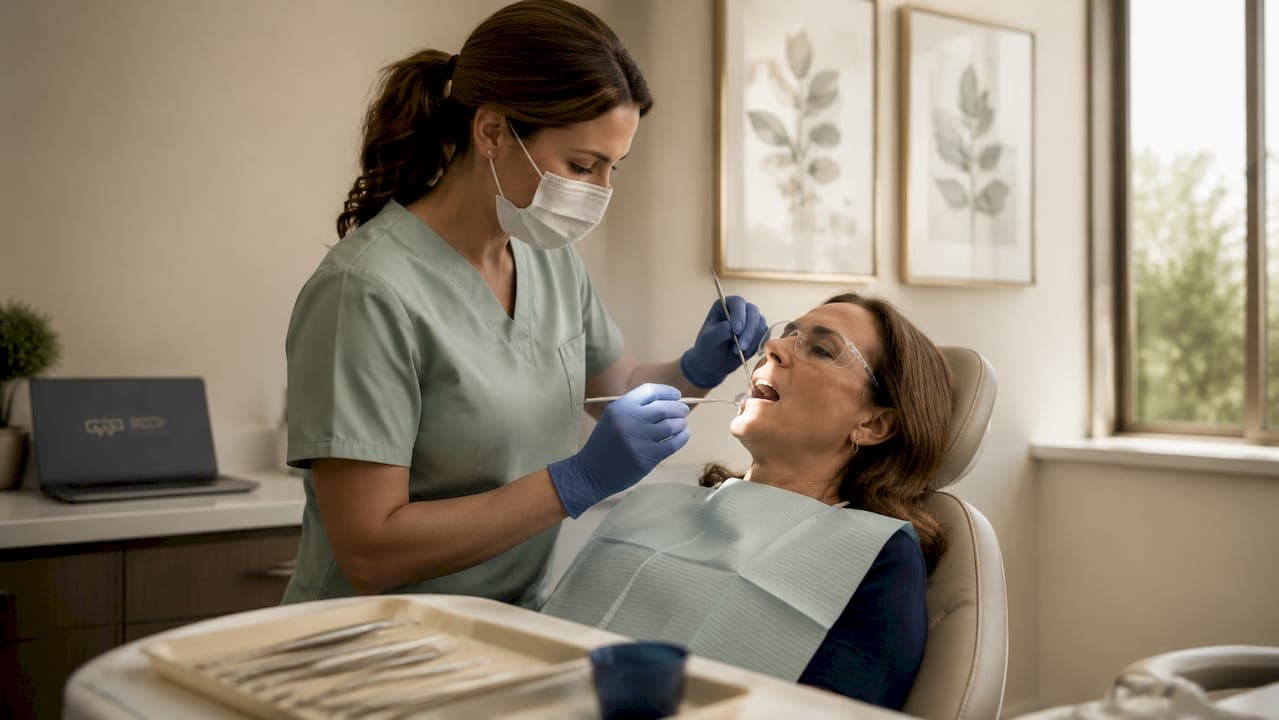
Prophylaxis dental cleaning is a professional preventive procedure that removes plaque, tartar, and surface stains from teeth before they cause gum disease or cavities. The term "prophylaxis" means "to guard beforehand", which tells you exactly what this appointment is for. It is not a cosmetic service. It is the foundation of a healthy mouth. Performed on patients with healthy gums, prophylactic dental care stops oral disease before it starts, making it one of the most cost-effective things you can do for your long-term health.
What is prophylaxis dental cleaning and what does it involve?
A prophylaxis cleaning is a structured, multi-step procedure performed by a dental hygienist or dentist. Dental prophylaxis includes a comprehensive oral exam, scaling to remove plaque and calculus above the gumline, polishing to smooth enamel, and often a fluoride application. Each step serves a specific purpose, and skipping any one of them reduces the effectiveness of the visit.
Here is what happens during a standard appointment:
- Oral examination. The hygienist or dentist checks your gums, teeth, and soft tissues for signs of disease, decay, or abnormalities. This clinical assessment is critical because it identifies early oral health issues before they become serious problems.
- Scaling. The hygienist uses a manual scaler or an ultrasonic device to break up and remove plaque and hardened tartar from tooth surfaces and just at the gumline. Ultrasonic scalers use vibration and water to dislodge buildup efficiently.
- Polishing. A rotating rubber cup with a mildly abrasive paste smooths the enamel surface and removes light surface stains from coffee, tea, or food.
- Fluoride treatment. Many offices apply a fluoride gel or varnish at the end of the visit to strengthen enamel and reduce cavity risk. This step is optional but widely recommended.
The entire appointment typically takes 45–60 minutes for a patient with healthy gums and no significant buildup.
Pro Tip: Tell your hygienist if you have tooth sensitivity before the appointment starts. They can adjust the pressure and technique to keep you comfortable throughout the cleaning.
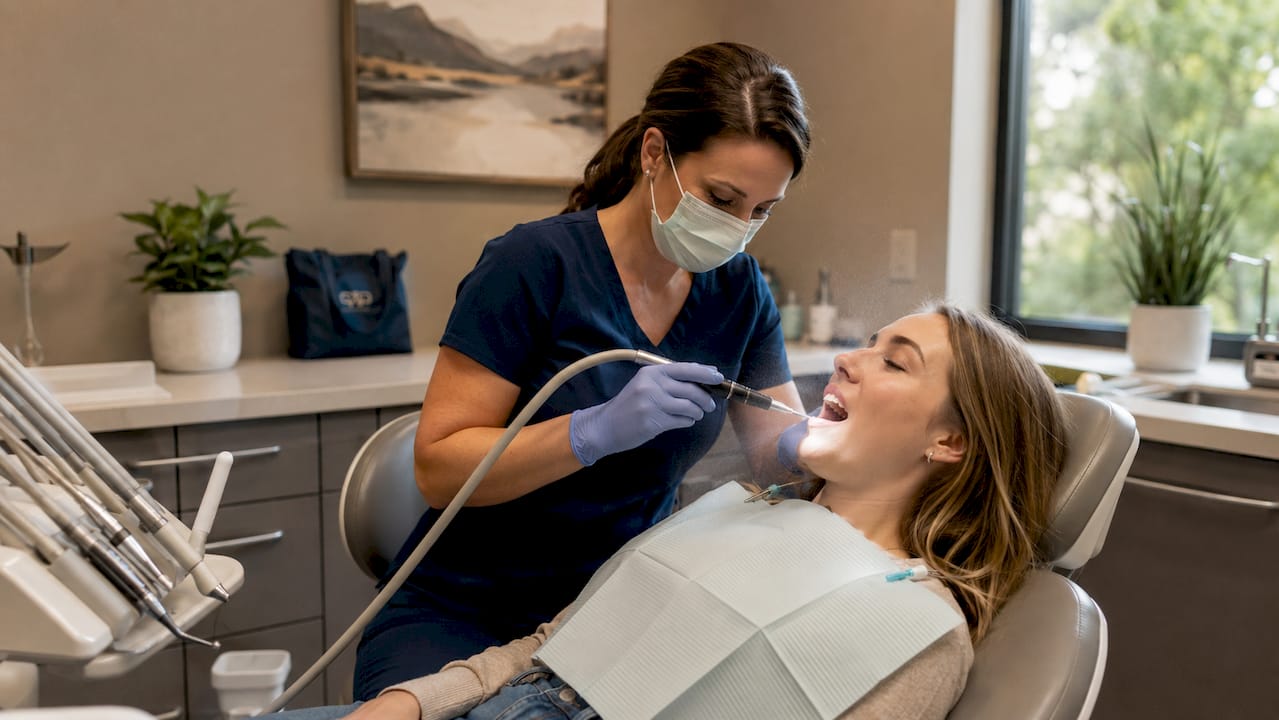
How does prophylaxis differ from a deep cleaning?
Prophylaxis and deep cleaning are not interchangeable. They treat different conditions, use different techniques, and carry different costs. Confusing the two leads patients to either skip necessary treatment or pay for a procedure they do not need.
Prophylaxis is purely preventive for patients without active periodontal disease. Deep cleaning, known clinically as scaling and root planing, is a therapeutic treatment for patients who already have active gum disease. The scope of each procedure is fundamentally different.
| Feature | Prophylaxis | Deep cleaning (scaling and root planing) |
|---|---|---|
| Purpose | Prevention | Treatment of active gum disease |
| Target area | Above the gumline | Below the gumline, down to the root |
| Patient profile | Healthy gums, no active disease | Diagnosed periodontal disease |
| Comfort level | Minimal discomfort for most patients | May require local anesthetic |
| Insurance coverage | Usually covered as preventive care | Covered as a therapeutic procedure |
| Frequency | Every 6 months for most patients | As prescribed until disease is controlled |
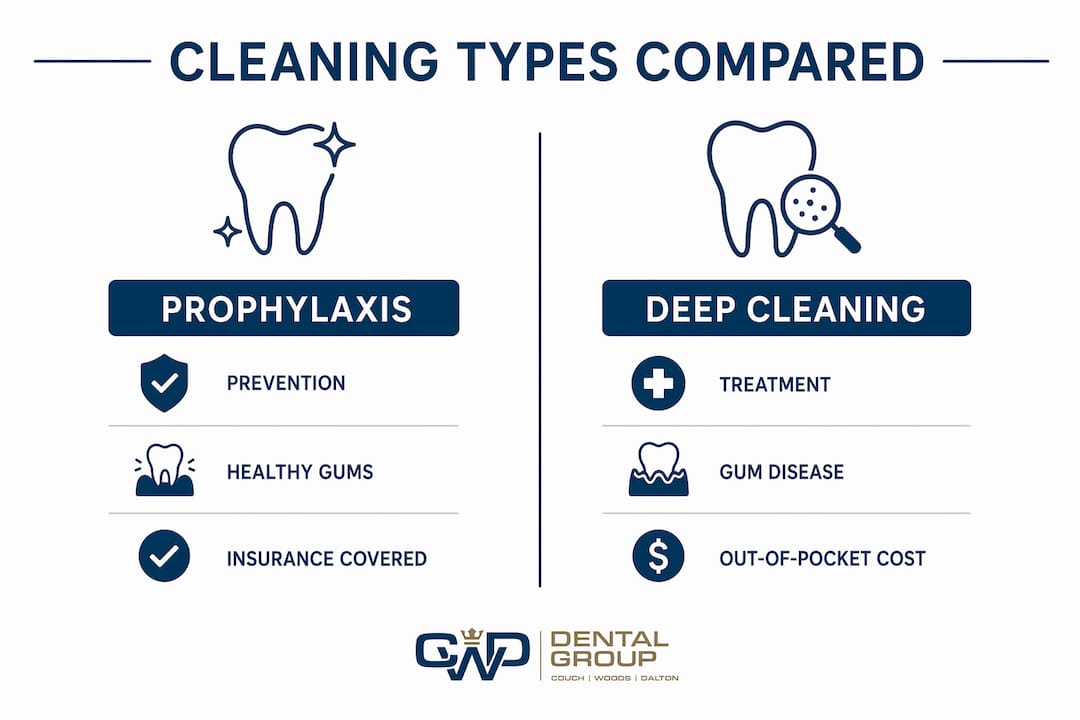
The cost difference is significant. Prophylaxis is typically covered at 100% by most dental insurance plans as a preventive benefit. Deep cleaning carries higher out-of-pocket costs, especially without insurance. You can read more about deep cleaning cost factors if you are trying to plan for that scenario.
The key takeaway: if your dentist recommends a deep cleaning, prophylaxis alone will not address your condition. If your gums are healthy, prophylaxis is the right and appropriate choice.
What are the benefits of regular prophylaxis dental cleanings?
The benefits of prophylactic dental care extend well beyond a cleaner-feeling mouth. Regular cleanings prevent the progression of oral disease, support systemic health, and save patients from expensive, invasive procedures down the road.
Here are the core benefits:
- Tartar removal. Professional cleaning is the only way to remove hardened tartar. Once plaque calcifies into tartar, no amount of brushing or flossing will dislodge it.
- Gingivitis prevention. Routine prophylaxis reduces inflammation and stops gingivitis from progressing into periodontitis, a far more serious and harder-to-treat condition.
- Early detection. The oral exam that precedes every cleaning gives your dentist a chance to spot cavities, cracked teeth, early-stage gum disease, and even oral cancer before symptoms appear.
- Enamel protection. Polishing removes surface stains and smooths enamel, which makes it harder for new plaque to adhere between visits.
- Systemic health support. Chronic oral inflammation is linked to cardiovascular disease, diabetes complications, and other systemic conditions. Keeping your gums healthy reduces that inflammatory burden on your body.
"Dental experts emphasize that prophylaxis is misunderstood as cosmetic when its main value lies in preventing serious oral and systemic health problems through early detection and plaque control." — Verywell Health
One of the most underappreciated benefits is the financial argument. A prophylaxis cleaning costs a fraction of what a root canal, crown, or periodontal surgery costs. Patients who keep up with dental cleanings consistently avoid the costly, time-intensive treatments that follow neglected oral health.
How often should you get prophylaxis cleanings?
Every 6 months is the standard recommendation for most adults with healthy gums. That twice-yearly schedule gives your hygienist enough time to remove new tartar buildup before it causes damage, while keeping appointments manageable in length and cost.
That said, the 6-month rule is a baseline, not a universal prescription. Patients with certain risk factors need more frequent cleanings, sometimes every 3 or 4 months. Dental experts recommend adjusting frequency based on individual risk rather than applying a one-size-fits-all schedule.
Factors that may warrant more frequent visits include:
- History of periodontal disease. Even after successful treatment, patients with a periodontal history are more prone to relapse and benefit from closer monitoring.
- Rapid tartar buildup. Some patients genetically produce more calculus than others. More frequent cleanings prevent it from accumulating to damaging levels.
- Medical conditions. Diabetes, dry mouth caused by medications, and immune-compromising conditions all increase oral disease risk.
- Smoking or tobacco use. Tobacco accelerates tartar buildup and masks gum disease symptoms, making regular professional assessment critical.
- Pregnancy. Hormonal changes during pregnancy increase gum sensitivity and the risk of pregnancy gingivitis.
Pro Tip: Ask your hygienist at your next visit to assess your personal tartar buildup rate. That single conversation can tell you whether a 3-month or 6-month schedule is right for you.
Your dentist or hygienist will recommend a schedule based on your specific oral health profile. Following that guidance is more reliable than defaulting to the 6-month standard if your situation calls for something different. You can also read about scheduling a biannual routine to build a system that keeps you consistent.
Key Takeaways
Prophylaxis dental cleaning is the most cost-effective preventive measure available for maintaining long-term oral health, and skipping it consistently leads to disease, pain, and far greater expense.
| Point | Details |
|---|---|
| Prophylaxis is preventive | It treats patients without active gum disease, not those who already have it. |
| Four core steps | Every appointment includes an exam, scaling, polishing, and optional fluoride. |
| Not the same as deep cleaning | Deep cleaning treats active periodontal disease and reaches below the gumline. |
| Standard frequency is every 6 months | Risk factors like tobacco use or rapid tartar buildup may require more frequent visits. |
| Silent disease is the real risk | Oral disease progresses without symptoms until it requires invasive treatment. |
Why prophylaxis is the most undervalued appointment in dentistry
Most patients I talk to think of their cleaning as a formality. They show up, get their teeth polished, and leave feeling fresh. That framing misses the point entirely.
The oral exam that happens at every prophylaxis visit is where the real value lives. A trained clinician is scanning your mouth for early-stage cavities, gum recession, bone loss, and soft tissue changes that you would never notice on your own. Oral disease progresses silently until it reaches a stage that demands a root canal, extraction, or surgery. By then, you are not preventing anything. You are managing a crisis.
I have seen patients who brush twice a day, floss religiously, and still develop significant tartar buildup because of their saliva chemistry. Home care matters, but it has a ceiling. Professional cleaning reaches areas that are physically impossible to clean with a toothbrush or floss, full stop.
The other misconception worth addressing: patients who feel fine assume they do not need a cleaning. Feeling fine is not a reliable indicator of oral health. Gum disease, early cavities, and even oral cancer can develop without pain or visible signs. The cleaning appointment is your early warning system, not just a hygiene service.
If you have been putting off your prophylaxis because nothing hurts, that is precisely the wrong reason to wait.
— Kayle
Cwddentalgroup makes preventive dental care simple in Tallahassee
Cwddentalgroup offers professional prophylaxis cleanings as part of a full range of preventive dental services in Tallahassee. Their patient-centered approach means no long waits, experienced hygienists, and appointments that fit your schedule.
Whether you are due for your regular cleaning or have not seen a dentist in years, Cwddentalgroup makes it easy to get back on track. Their team provides thorough cleanings, honest assessments, and clear guidance on how often you should return based on your personal oral health profile. For urgent dental concerns that cannot wait for a scheduled visit, Cwddentalgroup also offers same-day emergency care to address immediate needs quickly and comfortably.
FAQ
What does dental prophylaxis mean?
Dental prophylaxis means a professional preventive cleaning performed to remove plaque, tartar, and stains from teeth. The word "prophylaxis" means "to guard beforehand", reflecting its purpose as disease prevention rather than treatment.
Is prophylaxis dental cleaning painful?
Prophylaxis cleaning is not painful for most patients. Mild pressure or temporary sensitivity may occur, but the procedure is generally well tolerated without anesthesia.
How is prophylaxis different from a regular cleaning?
Prophylaxis is the clinical term for what most patients call a regular cleaning. It refers specifically to the preventive cleaning performed on patients with healthy gums, as opposed to therapeutic deep cleaning for active gum disease.
Who needs more frequent prophylaxis cleanings than every 6 months?
Patients with a history of periodontal disease, rapid tartar buildup, diabetes, tobacco use, or certain medications may need cleanings every 3–4 months. Your dentist will recommend the right personalized cleaning schedule based on your risk profile.
Can I skip prophylaxis if my teeth feel fine?
Skipping prophylaxis because you feel no symptoms is a common mistake. Oral disease often progresses silently until it reaches a stage requiring invasive and costly treatment, making regular cleanings critical even when nothing hurts.