
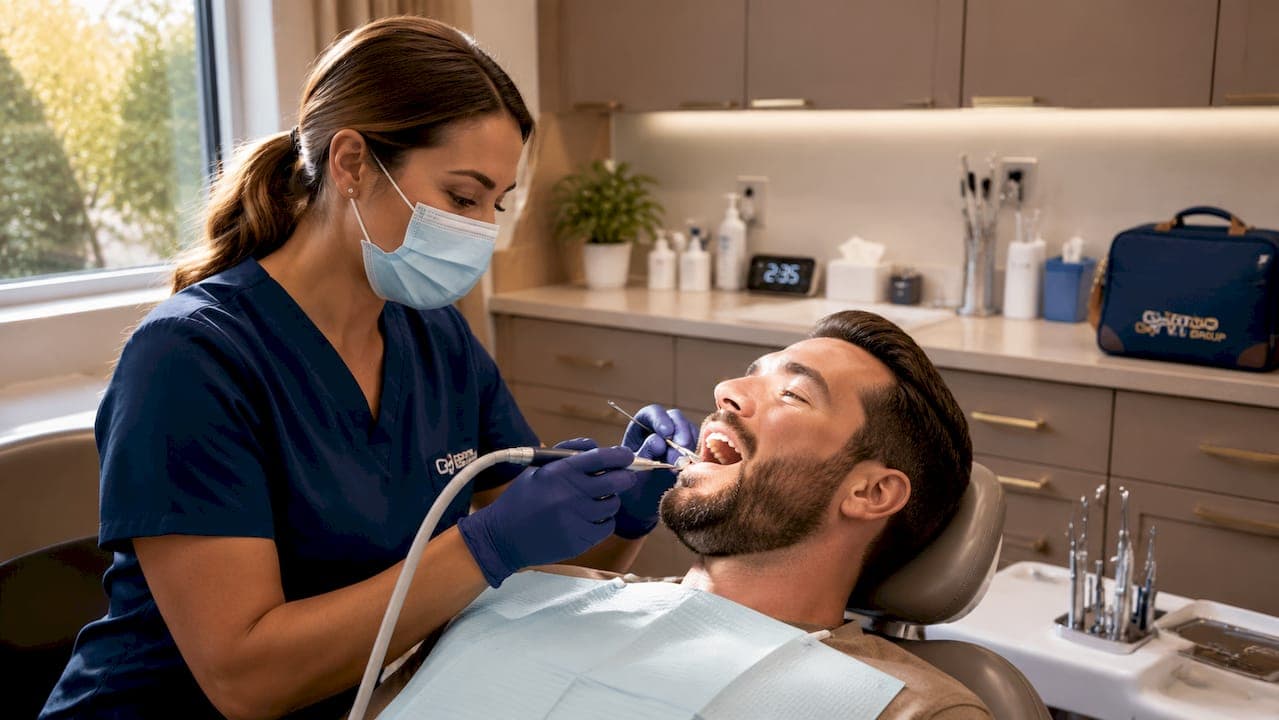
A dental cleaning is a professional procedure that removes plaque, tartar, and bacteria from your teeth and gums. Understanding what happens during dental cleaning removes the guesswork and, for most people, the anxiety. The dental cleaning process covers two core steps: scaling, which strips away hardened deposits, and polishing, which smooths tooth surfaces and removes surface stains. Appointments typically last 30 to 60 minutes and may include X-rays, fluoride application, or sealants depending on your needs. Regular professional cleanings prevent gum disease and cavities by reaching areas your toothbrush and floss simply cannot.
What happens during a dental cleaning appointment?
A routine dental cleaning follows a predictable sequence, which makes it easy to know what to expect at dental cleaning visits before you even sit in the chair.
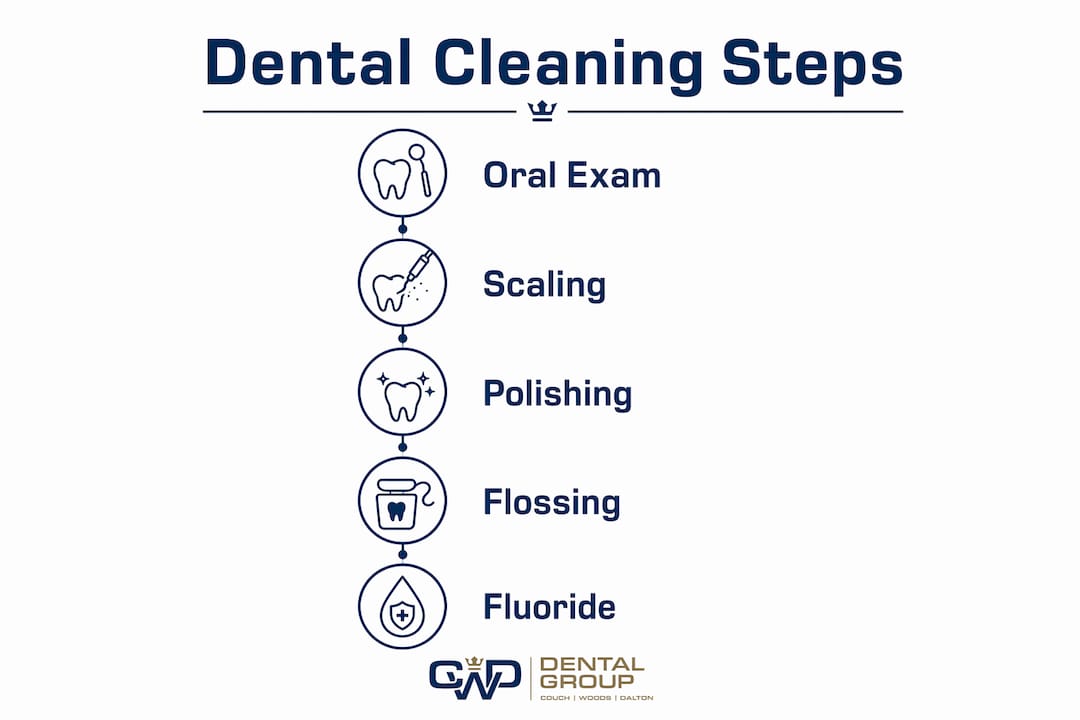
1. Initial oral exam
Your hygienist or dentist starts by examining your mouth, teeth, and gums. They check for signs of cavities, gum inflammation, and anything that needs attention before cleaning begins. Routine cleanings often include preventive exams and possible X-rays to assess gum health and determine the right treatment approach.
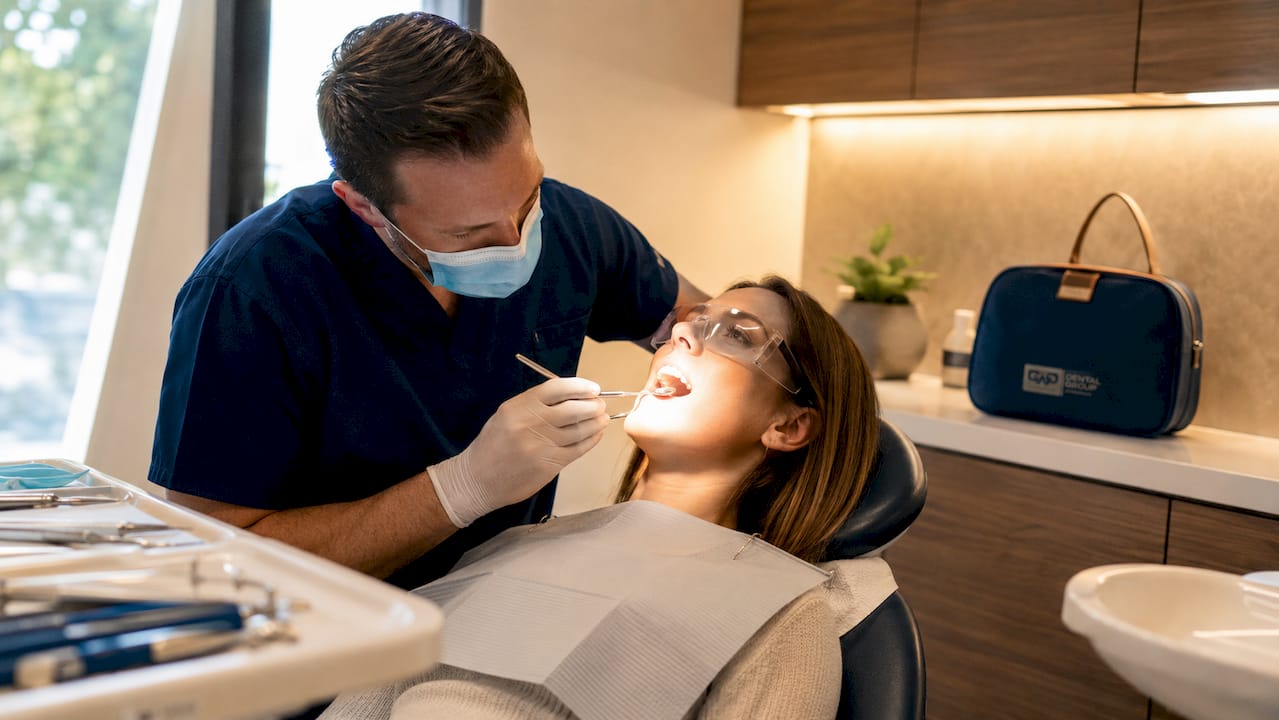
2. Scaling
Scaling is the core therapeutic step in every dental cleaning. Your hygienist uses ultrasonic and hand instruments to break up and remove plaque and tartar from tooth surfaces and along the gumline. Scaling should not hurt in a healthy mouth, though scraping sounds are completely normal. If you have not been in for a while, more time may be needed because tartar bonds tightly to tooth surfaces and requires more effort to remove.
3. Polishing
After scaling, your hygienist uses a soft rubber cup and a gritty special toothpaste called prophylaxis paste to polish your teeth. Polishing removes surface stains and smooths enamel without damaging the tooth. It is not a substitute for deep cleaning when gum disease is present, but it finishes the job by clearing residual germs and leaving teeth feeling clean and smooth.
4. Flossing and rinsing
Your hygienist flosses between every tooth to clear any debris loosened during scaling and polishing. You then rinse with water or an antiseptic solution to flush everything out.
5. Additional preventive steps
Depending on your age, risk level, and dental history, your dentist may apply fluoride gel or varnish to strengthen enamel, or place dental sealants on back teeth to block decay. These steps add only a few minutes to the appointment and make a measurable difference in long-term cavity prevention.
Pro Tip: Tell your hygienist before the appointment if you have sensitive teeth or dental anxiety. They can adjust their technique, use a lighter touch during scaling, and take short breaks so you stay comfortable throughout.
How do types of dental cleanings differ?
Not every cleaning is the same. The dental cleaning process your provider recommends depends directly on the current state of your gums and how long it has been since your last visit.
The three main types are:
- Prophylaxis cleaning: The standard routine cleaning for patients with healthy gums and no significant buildup. This is what most people get at a twice-yearly checkup.
- Gross debridement: Used when heavy plaque and tartar have accumulated after a long gap between visits. This is a more intensive session that clears the way for a full exam and may require a follow-up appointment.
- Deep cleaning (scaling and root planing): Recommended when gum disease is present. Deep cleaning removes bacterial deposits below the gumline and around tooth roots. It requires local anesthetic and is typically done in two sessions, one side of the mouth at a time.
| Cleaning type | Best for | Duration | Numbing needed? |
|---|---|---|---|
| Prophylaxis | Healthy gums, routine maintenance | 30 to 60 minutes | No |
| Gross debridement | Heavy buildup after long gaps | 60 to 90 minutes | Rarely |
| Scaling and root planing | Active gum disease | 60 to 90 min per side | Yes |
Appropriate cleaning type depends on gum health, which is why your dentist assesses your gums before deciding which approach to take. If you are curious about what deep cleaning involves and what it costs, the Cwddentalgroup guide on deep cleaning costs breaks it down clearly.
What tools are used during a dental cleaning?
Knowing the instruments your hygienist uses makes the experience far less intimidating. Each tool has a specific job, and none of them are designed to cause pain.
- Ultrasonic scaler: This is the tool that produces the buzzing or humming sound many patients notice. It uses high-frequency vibrations combined with a water spray to break apart tartar deposits. The water flushes away debris as it works.
- Hand scalers and curettes: These are thin metal instruments with curved tips. After the ultrasonic scaler loosens the bulk of the tartar, hand scalers reach into tighter spaces around the gumline and between teeth for detailed work. Cleaning tools include both ultrasonic instruments and hand scalers because each reaches areas the other cannot.
- Polishing cup and prophylaxis paste: A soft rubber cup spins against your tooth surface while the paste gently buffs away stains and smooths enamel. The paste comes in different flavors and grits.
- Dental explorer and periodontal probe: These are used during the initial exam to measure gum pocket depth and detect cavities before cleaning begins.
- X-ray equipment: Digital X-rays, when taken, give your dentist a view of bone levels and areas between teeth that are invisible to the naked eye.
- Fluoride applicator: A tray or brush used to apply fluoride gel or varnish at the end of the appointment.
For a deeper look at each instrument and how it works, the Cwddentalgroup article on dental cleaning tools covers every piece of equipment in plain language.
Pro Tip: If the sound of the ultrasonic scaler bothers you, ask your hygienist to use hand instruments only. Many offices accommodate this preference without any change in cleaning quality.
What to expect before, during, and after your appointment
Knowing the full arc of a dental cleaning visit, from the moment you schedule to the days after, helps you prepare and recover with confidence.
Before your appointment, you may be asked to update your medical history, list any medications you take, and flag any allergies. This matters because certain medications affect gum health or bleeding, and your hygienist needs that context to clean safely. A dental hygienist appointment includes gum assessment and oral hygiene advice, so come ready to discuss any changes in your health since your last visit.
During the appointment, you will hear scraping and feel mild pressure, especially during scaling. These sensations are normal. Hearing scraping and feeling mild sensitivity is common and temporary, and knowing this in advance reduces anxiety significantly. Your hygienist will also give you personalized oral hygiene advice at the end, covering brushing technique, flossing habits, and any areas of concern they noticed during the exam.
After the appointment, some patients notice:
- Mild gum tenderness or soreness for one to two days
- Slight tooth sensitivity to hot or cold foods and drinks
- Minor bleeding along the gumline, especially if gum inflammation was present
Mild sensitivity after cleaning typically resolves in a few days, and over-the-counter pain relief like ibuprofen handles any discomfort. If bleeding or sensitivity lasts more than a week, contact your dentist. Maintaining a strong daily oral hygiene routine between visits extends the benefits of every professional cleaning.
The question of how often should you get teeth cleaned has a clear answer for most people: twice a year. Twice-yearly cleanings are recommended for most patients, though those with gum disease or high cavity risk may need visits every three to four months.
Key takeaways
Professional dental cleaning is the only way to remove tartar, assess gum health, and prevent disease in areas that home care cannot reach.
| Point | Details |
|---|---|
| Two core steps | Every cleaning includes scaling to remove tartar and polishing to smooth enamel and clear stains. |
| Cleaning type varies | Prophylaxis, gross debridement, and deep cleaning are chosen based on your current gum health. |
| Tools are specific | Ultrasonic scalers, hand curettes, and polishing cups each target different areas and deposit types. |
| Post-cleaning sensitivity is normal | Mild soreness and sensitivity resolve within a few days and do not signal a problem. |
| Twice-yearly visits are standard | Most patients need professional cleaning every six months to prevent gum disease and cavities. |
Why I think patients underestimate what scaling actually does
Most people walk into a dental cleaning focused on the polishing step. The fresh feeling, the smooth teeth, the minty taste. That is the part patients remember and talk about. But polishing is the finishing touch. Scaling is where the real work happens.
Tartar is not just cosmetic buildup. It is a hardened bacterial colony sitting against your gum tissue, triggering inflammation every single day. No amount of brushing removes it once it calcifies. The only way out is a metal instrument or an ultrasonic scaler in the hands of a trained hygienist. When I see patients who have skipped cleanings for two or three years, the effects of dental cleaning are dramatic, not just visually but in terms of gum health. Pockets shrink. Bleeding stops. The mouth stabilizes.
The other thing I want patients to understand is that anxiety about the scraping sound is almost always worse than the sensation itself. The noise is amplified inside your skull. The actual pressure is mild. Patients who come in braced for pain are often surprised by how manageable it is, especially when they communicate with their hygienist throughout.
If you have been putting off a cleaning because you are nervous or because you think your teeth are "not that bad," I would push back on both. The longer the gap, the more buildup accumulates, and the more involved the cleaning becomes. A routine prophylaxis at six months is always easier than a gross debridement at two years. Regular visits are not just about prevention. They are about keeping the process simple and comfortable every time.
— Kayle
Ready for a cleaning you will actually look forward to?
Cwddentalgroup serves patients across Tallahassee with professional dental cleanings designed around your comfort and your schedule. Whether you are due for a routine prophylaxis or you suspect you need a deeper cleaning, the team at Cwddentalgroup builds a personalized plan based on your gum health and dental history, not a one-size-fits-all approach.

Same-day emergency appointments are available for urgent dental concerns, so you are never left waiting when something needs immediate attention. If you are dealing with pain, swelling, or a dental issue that cannot wait, the emergency dentist team at Cwddentalgroup is ready to help. Book your cleaning today and leave with teeth that feel as good as they look.
FAQ
What are the main steps in a dental cleaning?
The dental cleaning process includes a physical exam, scaling to remove plaque and tartar, polishing to smooth enamel and remove stains, flossing, and rinsing. Additional steps like fluoride application or X-rays may be added based on your needs.
Does a dental cleaning hurt?
A standard cleaning should not hurt in a healthy mouth, though you may feel mild pressure and hear scraping sounds during scaling. Patients with gum disease or heavy buildup may experience more sensitivity, which resolves within a few days.
How long does a dental cleaning take?
Most routine cleanings last 30 to 60 minutes. Deep cleanings for gum disease take longer and are often split across two appointments, one for each side of the mouth.
How often should you get your teeth cleaned?
Most people need a professional cleaning every six months. Patients with gum disease, high cavity risk, or a history of heavy tartar buildup may need visits every three to four months.
Can brushing and flossing replace professional cleaning?
Home brushing and flossing are necessary but cannot replace professional cleaning. Professional cleanings reach below the gumline and remove tartar that no toothbrush can dislodge, while also including an oral exam that checks for cavities, gum disease, and oral cancer.
Recommended
- How Dental Cleanings Prevent Disease and Protect Health
- Unmasking the Arsenal: Dental Teeth Cleaning Tools Explained — CWD Dental Group
- How much is a teeth cleaning without insurance: Affordable 2025 — CWD Dental Group
- Deep Scale Cleaning Demystified: What to Expect from Your Dentist — CWD Dental Group