
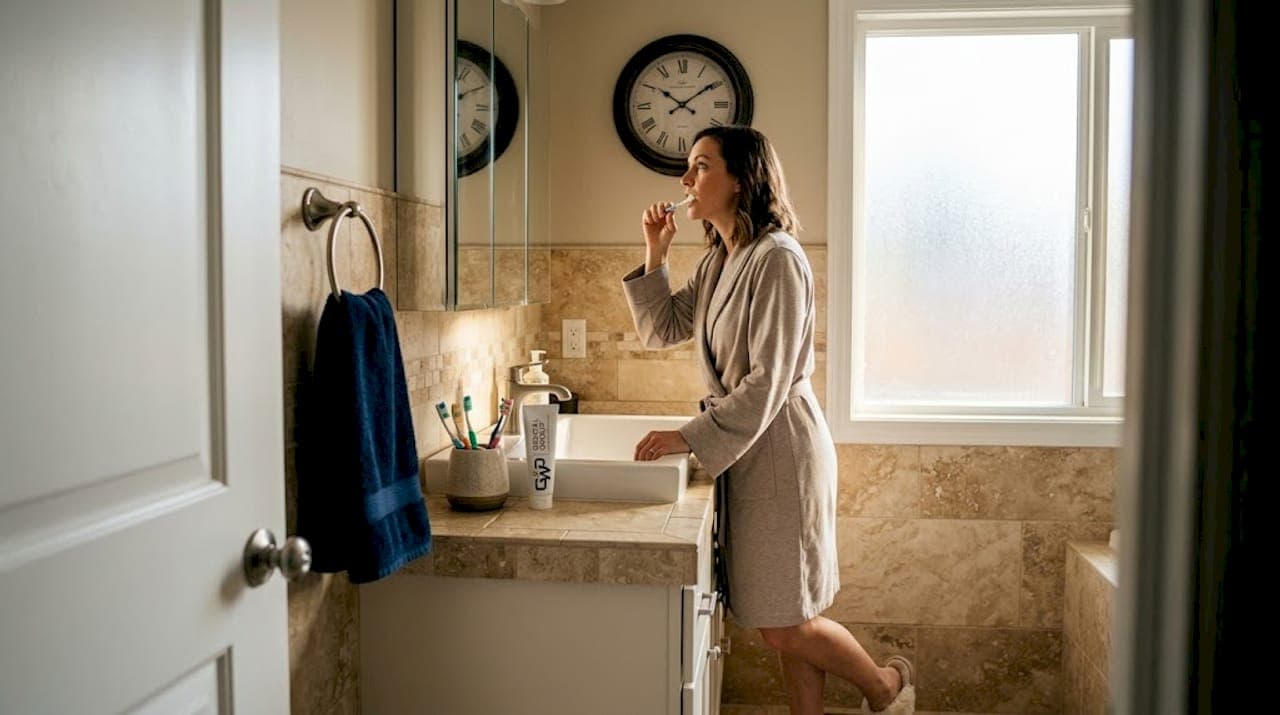
Most people brush twice a day and consider their oral care done. But the daily oral hygiene routine steps that actually protect your teeth and gums go well beyond two minutes with a toothbrush. Skipping flossing, brushing too aggressively, or rinsing with mouthwash at the wrong time can quietly undermine your dental health over months and years. Whether you're building a routine from scratch or tightening up an existing one, this guide breaks down every step with specific techniques, timing, and tool recommendations that work for individuals and families alike.
Table of Contents
- Key takeaways
- 1. Brushing basics: timing, technique, and products
- 2. Cleaning between teeth: flossing and alternatives
- 3. Tongue cleaning and mouth rinsing: extra precision
- 4. Eating, timing, and habits that affect your routine
- 5. Comparing oral hygiene tools and techniques
- My honest take on where most people go wrong
- How Cwddentalgroup supports your family's oral health
- FAQ
Key takeaways
| Point | Details |
|---|---|
| Brush correctly, not just often | Two minutes twice daily with proper circular technique protects enamel and gums better than aggressive scrubbing. |
| Floss every single day | Daily interdental cleaning removes plaque your toothbrush physically cannot reach between teeth. |
| Time your mouthwash right | Using mouthwash separately from brushing, not immediately after, preserves fluoride benefits on your enamel. |
| Wait before brushing after meals | Brushing within 30 minutes of acidic foods can wear softened enamel. Rinse with water first. |
| Match tools to your lifestyle | Choosing floss picks, water flossers, or electric brushes based on your habits increases long-term consistency. |
1. Brushing basics: timing, technique, and products
The foundation of any effective mouth cleaning routine is brushing, but most people do it wrong in at least one way. Brush twice daily for a full two minutes each session, once in the morning and once before bed. That adds up to roughly 1,460 minutes of brushing per year. Miss half of those sessions or cut them short, and the gap shows up in your next dental check-up.
The product you use matters more than most people realize. A soft or extra-soft bristle toothbrush with fluoride toothpaste is the standard recommendation for good reason. Harder bristles do not clean better. They irritate gums and wear down enamel over time, especially if you apply too much pressure.
Technique is where most people fall short. Hold your brush at a 45-degree angle to your gumline and use gentle circular motions rather than horizontal scrubbing. The circular motion lifts plaque off the tooth surface and from just under the gumline without traumatizing soft tissue.
Here is a simple structure that improves coverage every time:
- Divide your mouth into four quadrants: upper right, upper left, lower right, lower left
- Spend 30 seconds on each quadrant
- Brush outer surfaces, inner surfaces, and chewing surfaces in each zone
- Finish by brushing your gumline at a slight angle on both upper and lower arches
Pro Tip: Use a timer app or an electric toothbrush with a built-in two-minute timer. Most people who think they brush for two minutes actually stop at 45 seconds.
Nighttime brushing carries extra weight because saliva production drops during sleep, which means bacteria have less natural defense to work against. Never skip the bedtime brush.
2. Cleaning between teeth: flossing and alternatives
Your toothbrush covers about 60% of each tooth's surface. The other 40% sits between teeth, and that is exactly where cavities and early gum disease tend to start. Flossing once daily before bed removes the plaque and food debris your brush simply cannot reach.
Proper flossing technique makes a real difference. Most people slide floss straight down and pull it back up, which misses the actual plaque. The correct approach uses a C-shape motion:
- Use about 18 inches of floss and wind most of it around your middle fingers, leaving two inches to work with
- Slide the floss gently between two teeth
- Curve it into a C-shape around one tooth and move it up and down against the tooth surface
- Repeat the C-shape on the adjacent tooth before moving to the next gap
- Use a fresh section of floss for each space
If traditional string floss feels awkward or your hands struggle with the motion, you have real options. Water flossers benefit people with braces, implants, arthritis, or gum sensitivity by using a pressurized water stream to flush debris from between teeth. Floss picks work well for travel and for children learning the habit.
Pro Tip: Matching flossing tools to your dexterity and daily routine increases long-term consistency far more than insisting on perfect string floss technique. The best method is the one you will actually do every day.
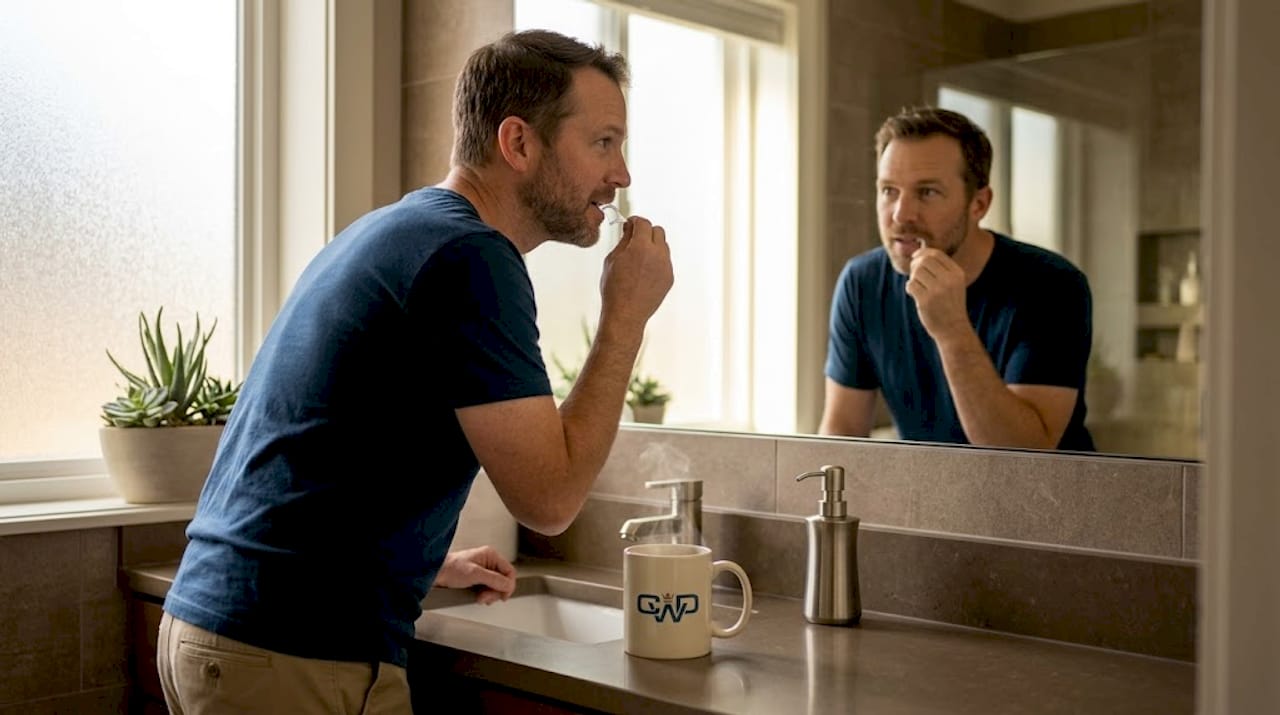
Families with young children can start with floss picks around age two to three, when two teeth begin touching. Building the habit early pays off for years. Check out these dental tips for parents for more guidance on establishing routines with kids.
3. Tongue cleaning and mouth rinsing: extra precision
Your tongue is a textured surface covered in tiny grooves that trap bacteria, food particles, and dead cells. These are the primary contributors to bad breath, and brushing your teeth does nothing to address them. Tongue cleaning reduces bacteria accumulation and freshens breath in a way that no amount of toothbrushing can replicate.
You can use either a tongue scraper or your toothbrush. A dedicated scraper removes more debris in fewer passes, but brushing the tongue is still significantly better than skipping it entirely. Start at the back of the tongue and pull forward with light pressure. Rinse after each pass.
Mouthwash is a helpful addition to your daily teeth cleaning guide, but timing matters more than most labels suggest:
- Do not rinse with mouthwash immediately after brushing. It washes away the concentrated fluoride your toothpaste just deposited on your enamel.
- Use mouthwash at a separate time, such as after lunch or 30 minutes after your brushing session.
- Choose alcohol-free formulas if you have dry mouth, sensitive gums, or children using mouthwash.
- Therapeutic mouthwashes containing fluoride or antimicrobial agents offer more benefit than purely cosmetic rinses.
Mouthwash supports your routine. It does not replace any step in it.
4. Eating, timing, and habits that affect your routine
How and when you eat directly impacts how well your oral hygiene routine works. After consuming acidic foods or drinks like citrus, soda, or sports drinks, your enamel temporarily softens. Wait at least 30 minutes before brushing to let your enamel reharden. Brushing immediately after can accelerate wear rather than prevent it.
If you cannot brush after a meal, rinsing your mouth with plain water is a smart immediate step. It dilutes acids, dislodges loose food particles, and raises your mouth's pH back toward neutral without requiring a toothbrush.
Frequent snacking is one of the most underrated threats to dental health. Every time you eat, oral bacteria produce acid for about 20 minutes. Three meals a day means roughly 60 minutes of acid exposure. Constant snacking throughout the day extends that exposure to several hours, overwhelming even a solid brushing routine.
Pro Tip: If you drink coffee or tea throughout the morning, try to consolidate it into one window rather than sipping continuously. Constant exposure to staining, acidic beverages keeps your enamel under sustained attack.
A few habits that quietly damage teeth regardless of how well you brush:
- Smoking and tobacco use dry out the mouth, reduce saliva, and dramatically increase gum disease and oral cancer risk
- Teeth grinding at night wears down enamel faster than almost any other habit. Ask your dentist about a night guard if you wake up with jaw soreness.
- Using your teeth to open packages, bite nails, or chew ice creates micro-fractures that compound over time
5. Comparing oral hygiene tools and techniques
Choosing the right tools makes your dental hygiene practices more effective and easier to maintain. Here is a direct comparison of the main options:
| Tool | Best for | Limitations |
|---|---|---|
| Manual toothbrush | Budget-friendly, travel, full control | Requires correct technique; easier to under-brush |
| Electric toothbrush | Consistent plaque removal, timed sessions | Higher cost; needs charging |
| String floss | Precise interdental cleaning | Requires dexterity; learning curve |
| Floss picks | Kids, travel, quick use | Less surface coverage per tooth |
| Water flosser | Braces, implants, arthritis, gum sensitivity | Does not replace floss entirely for all users |
| Tongue scraper | Maximum bacteria removal from tongue | Separate tool to remember |
| Alcohol-free mouthwash | Dry mouth, sensitive users, children | Cosmetic rinses offer limited therapeutic value |
Electric toothbrushes can outperform manual brushing in plaque removal when used correctly, largely because the high-speed bristle movement does more work per stroke. That said, a manual brush used with proper technique beats a poorly used electric one every time.
For families, the practical approach is to keep multiple tool types available. Adults who struggle with traditional floss can switch to a water flosser without guilt. Children do better with floss picks or parent-assisted flossing until they develop the hand coordination for string floss. For a deeper look at what each tool actually does, the dental cleaning tools guide from Cwddentalgroup breaks it down clearly.
The best oral hygiene methods are not necessarily the most expensive or the most technically demanding. They are the ones you use correctly and consistently.
My honest take on where most people go wrong
I've reviewed hundreds of patient conversations and oral health resources over the years, and the pattern is almost always the same. People are not skipping their routine entirely. They are doing a slightly wrong version of it, every single day, for years.
The biggest culprit I've seen is brushing duration. Most people genuinely believe they brush for two minutes. They don't. Dividing your mouth into quadrants and setting a timer feels overly rigid at first, but it reveals just how much you've been rushing through the back molars and inner surfaces.
The second issue is tool loyalty over tool effectiveness. I've seen people struggle with string floss for years, hating every second of it, when a water flosser would have made flossing something they actually did. Consistency beats perfection. A floss pick used every night is worth more than perfect C-shape technique used twice a week.
What I find most underappreciated is the role of professional cleanings. No home routine removes hardened tartar. That requires a hygienist. Your daily steps for healthy teeth are critical, but they work best as a partnership with regular professional care, not a replacement for it. If it has been more than a year since your last check-up, that is the most important thing on this list.
— Kayle
How Cwddentalgroup supports your family's oral health
Your daily routine builds the foundation. Professional care protects everything you've worked to maintain at home.

At Cwddentalgroup in Tallahassee, the team offers same-day emergency dental care for urgent situations alongside routine preventive visits that catch problems before they become painful. For families with children, the pediatric dental services are designed to make young patients comfortable and build positive dental habits early. Professional cleanings remove tartar and detect early decay that no toothbrush can address. The Cwddentalgroup team pairs that clinical care with personalized guidance on how to maintain oral hygiene between visits, so your daily routine becomes as effective as possible.
FAQ
How many times a day should you brush your teeth?
Brush twice daily, once in the morning and once before bed, for two full minutes each session. Nighttime brushing is especially important because saliva production decreases during sleep, leaving teeth more vulnerable to bacteria.
Is flossing really necessary if you brush well?
Yes. A toothbrush cannot physically reach the spaces between teeth, where plaque buildup leads to cavities and gum disease. Daily flossing or an equivalent interdental cleaning method is a non-negotiable part of any effective oral hygiene routine.
When is the best time to use mouthwash?
Use mouthwash at a separate time from brushing, such as after lunch or 30 minutes after your bedtime brush. Using it immediately after brushing rinses away the fluoride from your toothpaste before it can strengthen your enamel.
Can an electric toothbrush replace proper brushing technique?
An electric toothbrush improves plaque removal and makes timing easier, but it still requires correct positioning at the gumline and full coverage of all tooth surfaces. It is a helpful upgrade, not a shortcut.
How do you build a consistent oral hygiene routine for kids?
Start with floss picks and soft toothbrushes sized for children, brush alongside them to model the habit, and keep sessions short and positive. Connecting with a children's dental specialist early helps establish professional guidance alongside home care.
Recommended
- Happy Teeth, Happy Kids Top Dental Tips Every Parent Needs — CWD Dental Group
- Dental care for infants: Essential 1st for healthy smiles — CWD Dental Group
- Unmasking the Arsenal: Dental Teeth Cleaning Tools Explained — CWD Dental Group
- Deep Scale Cleaning Demystified: What to Expect from Your Dentist — CWD Dental Group