
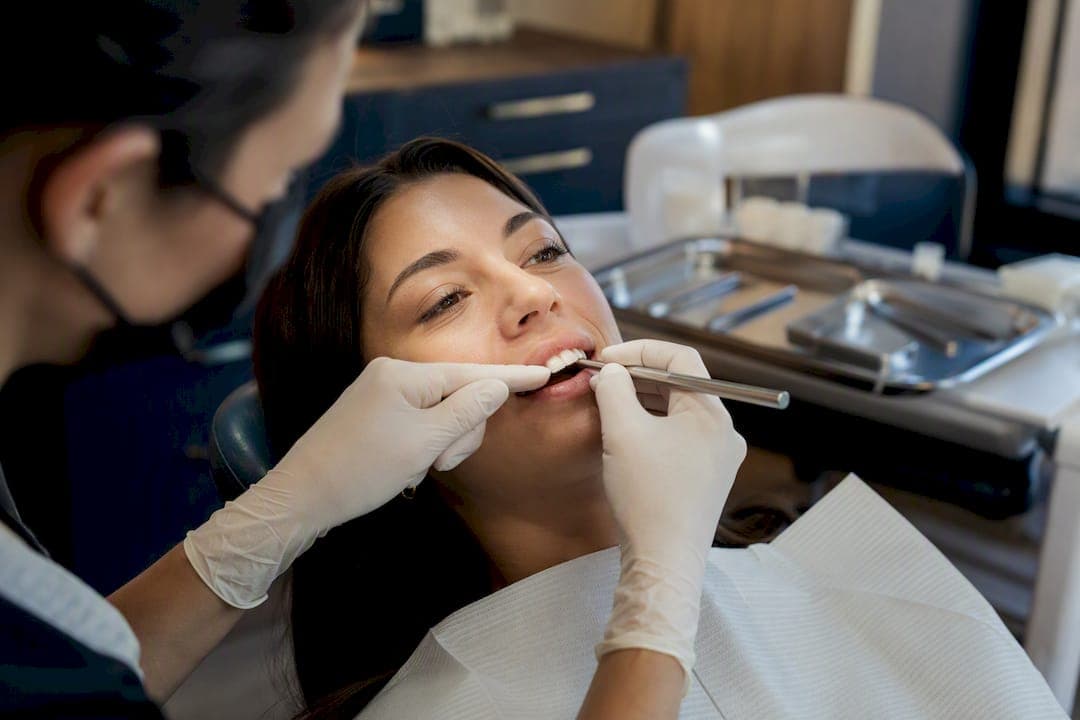
Composite bonding and hyaluronic acid injections close most black triangles without drilling, cutting, or a single day of recovery. The injection-molded Bioclear technique, in particular, uses anatomically curved matrices to sculpt a natural-looking contact point in one visit, and a randomized clinical trial found it produced reliable embrasure closure with acceptable marginal integrity at 12 months. Larger gaps caused by bone loss or crooked contact points need more: orthodontics with interproximal reduction, or gum grafting.
- Small to moderate gaps, healthy gums: composite bonding or Bioclear, often same-day
- Small soft-tissue deficit only: hyaluronic acid papilla injections, temporary but low-risk
- Triangular tooth shape or post-braces gaps: orthodontics plus IPR, weeks to months
- Significant bone or gum loss: grafting, the only durable fix for advanced cases
CWD Dental Group evaluates gap size and gum health at a single consult before recommending which of these fits your case.
Key Takeaways
Composite bonding and Bioclear injection molding close most small-to-moderate black triangles conservatively, while orthodontics and grafting handle cases driven by tooth position or bone loss.
| Point | Details |
|---|---|
| Cause determines fix | Gum recession, bone loss, tooth shape, and orthodontic movement each point to a different treatment path. |
| Bioclear outperforms hand bonding | Injection-molded matrices produced reliable 12-month marginal integrity in a randomized clinical trial. |
| HA injections are temporary | Hyaluronic acid plumps small soft-tissue gaps but typically needs periodic touch-ups. |
| Gap size sets the ceiling | Matrix techniques work best under roughly 2.5 millimeters; larger gaps need orthodontics or grafting. |
| CWD Dental Group evaluates first | A same-day exam with gap gauging and a periodontal check determines which conservative option applies. |
Table of Contents
- What Causes Black Triangles Between Teeth?
- Minimally Invasive Treatments: Bonding, Bioclear, and Papilla Injections
- Orthodontics and IPR: Moving the Contact Point Instead of Filling It
- When Grafting and Regenerative Surgery Are Necessary
- How to Choose the Right Fix (and What to Expect)
- How CWD Dental Group Evaluates Black Triangle Cases
- Why Conservative-First Still Wins
- Ready to Close Your Black Triangles? Here's the Next Step
- Sources
What Causes Black Triangles Between Teeth?
The gum tissue that should fill the space below your contact point is called the papilla, and it only fills that space when the bone underneath it sits high enough to support it. When bone recedes, or the gum thins, the papilla shrinks back and leaves the dark triangular gap that gives this condition its name. Understanding which cause applies to your mouth changes which fix will actually hold.
Several things drive papilla loss, often in combination:
- Gum recession from aggressive brushing, smoking, or normal aging, which pulls tissue away from the contact point
- Periodontal bone loss from gum disease, which removes the support structure the papilla depends on
- Triangular tooth shape, where the natural contact point sits higher and leaves a wider gap below it
- Tooth movement after braces or Invisalign, which can shift roots closer together at the crown but leave a gap at the gumline
- Thin tissue biotype, a genetic trait that makes gums more prone to recession in the first place
Gap size and cause both matter enormously here. A small gap from thin biotype in an otherwise healthy mouth responds predictably to bonding or hyaluronic acid. A wide gap from years of untreated bone loss usually will not close with either, no matter how skilled the injection technique, according to clinical reviews that walk through the four main treatment paths for closing these gaps.
Minimally Invasive Treatments: Bonding, Bioclear, and Papilla Injections
For most patients, the first real decision is between three conservative options, each suited to a different starting point.
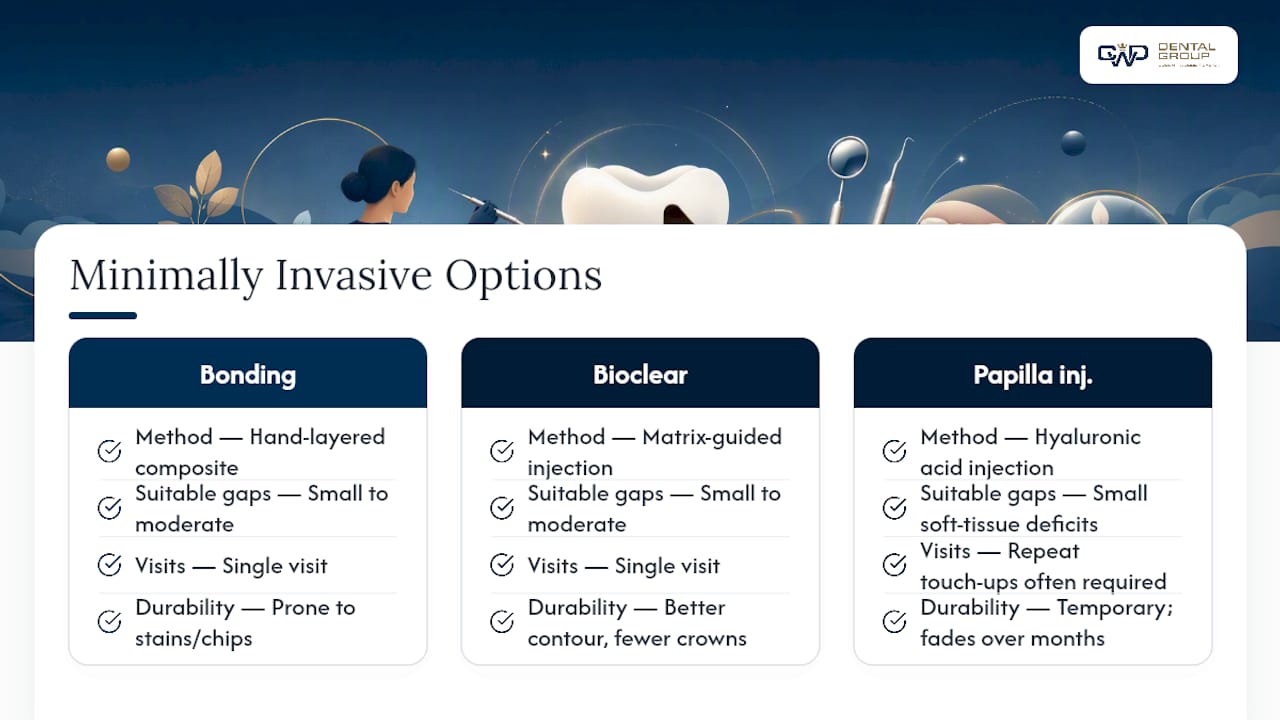
1. Classic direct composite bonding. A dentist applies tooth-colored resin directly to the sides of the teeth flanking the gap, building it out layer by layer until the triangle disappears. It works well for small to moderate gaps with healthy surrounding gum tissue, and it is completed in a single visit with no anesthesia required. The trade-off is durability: composite can stain over time and pick up minor chips, and very large triangles tend to look bulky or unnatural once bonded by hand. You can read more about bonding's benefits and maintenance needs before deciding if it fits your case.
2. Bioclear and the injection-molding technique. This is a more refined version of bonding that solves the "bulky" problem. Instead of freehand layering, the dentist selects an anatomically curved matrix sized to your specific gap, seats it against the tooth, then injects warmed flowable composite followed by a heated paste composite underneath it. The matrix guides the material into a rounded cervical contour that mimics natural tooth anatomy far more closely than hand-sculpted resin. Practitioner reporting in Inside Dentistry notes this shift toward injection-molded, additive restorations has genuinely reduced how often patients need crowns or veneers for this problem. Case series data backs this up too: well-selected anterior cases show anatomically correct cervical contours that appear to support papilla regeneration through gentle lateral compression of the tissue.
3. Hyaluronic acid papilla injections. Instead of adding material to the tooth, this approach adds volume to the gum tissue itself. Hyaluronic acid is injected directly into the papilla, where it draws in moisture and temporarily plumps the tissue to fill the embrasure space. It works best on small soft-tissue deficits, and results build gradually rather than appearing overnight. The catch is permanence: effects fade over months, so most patients need periodic touch-ups, and it is sometimes used as a test run to see how tissue responds before committing to a graft.
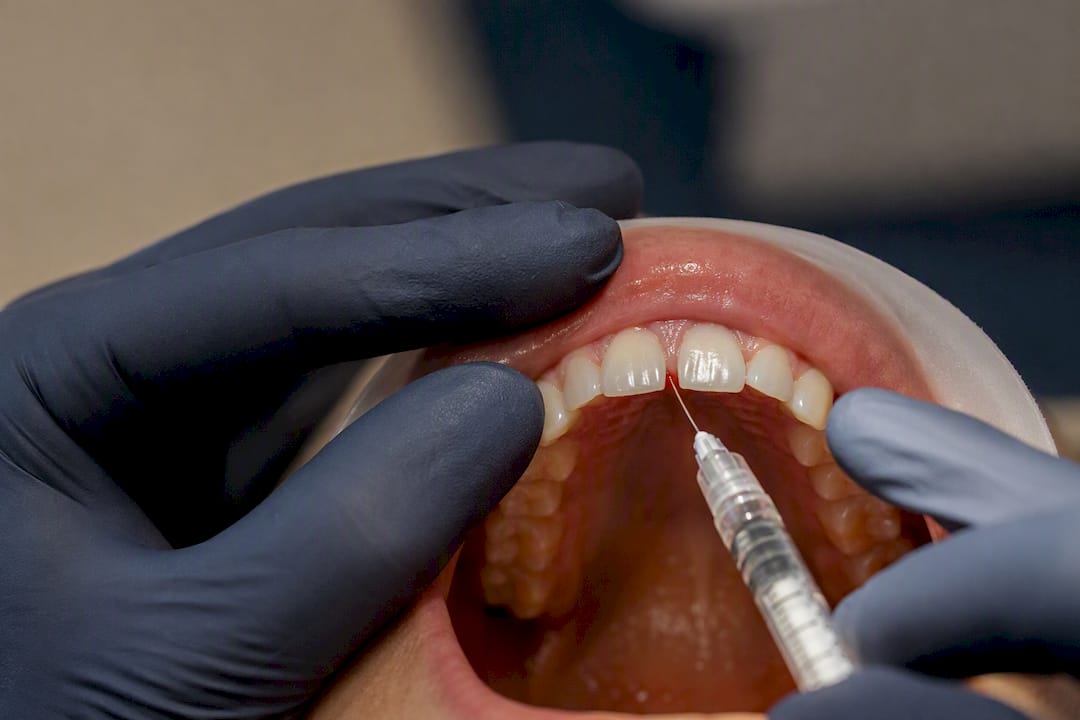
Pro Tip: Ask your dentist three specific questions before agreeing to a Bioclear procedure: which matrix size they plan to use and why, whether they heat the composite before injection (this affects flow and adaptation to the matrix), and whether they'll use magnification during placement. Clinical technique data shows that matrix sizing and rubber-dam isolation meaningfully affect whether the final contour avoids ledges at the gumline.
Case selection tends to follow a fairly consistent pattern across these three options. Small gaps respond best to matrix-based techniques, provided the periodontal support underneath is stable and the contact point is accessible enough for the dentist to work with a rubber dam in place. If your gums bleed easily or have active gum disease, bonding alone is less likely to hold its shape or look natural over time.
Orthodontics and IPR: Moving the Contact Point Instead of Filling It
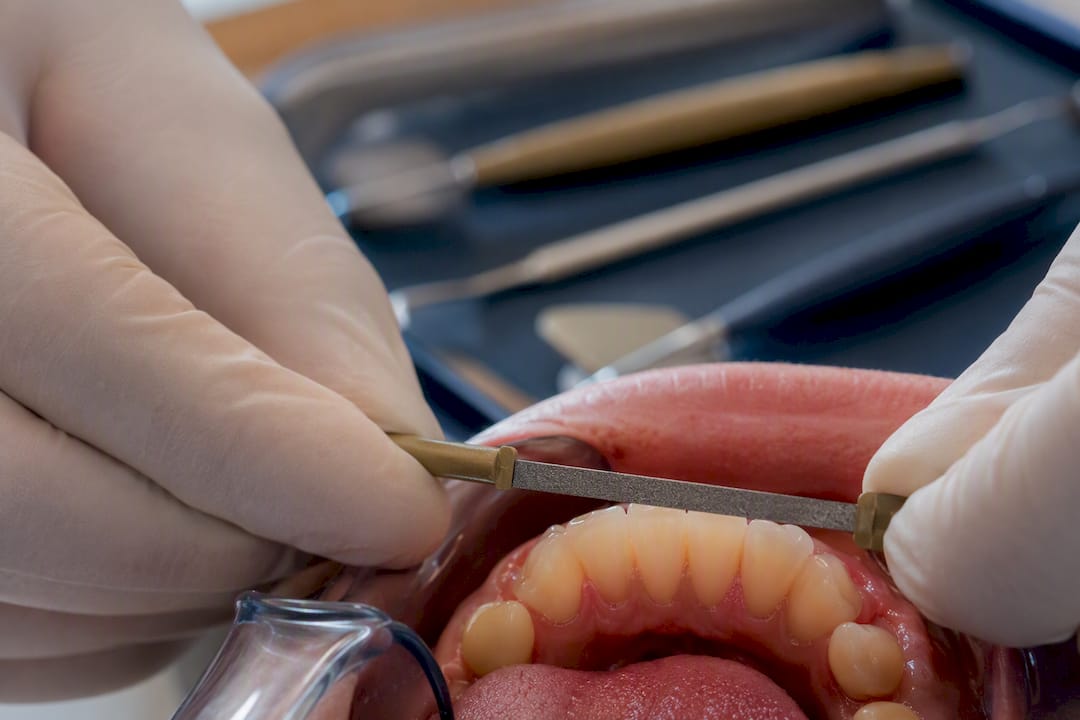
Sometimes the honest fix isn't adding material. It's moving the teeth. When crooked roots or a naturally triangular crown shape created the gap, shifting the contact point downward toward the gumline can close the embrasure space entirely, letting the papilla fill in on its own over time.
Interproximal reduction, commonly called IPR, works alongside orthodontic treatment to make this possible. A dentist removes tiny, controlled amounts of enamel from the sides of adjacent teeth, which lets braces or clear aligners bring the contact point lower and tighter. This combination tends to work best in a few specific situations:
- Teeth with a naturally triangular crown shape, where bonding alone would need to be unrealistically bulky to compensate
- Black triangles that appeared after finishing braces or Invisalign, where the roots need further repositioning
- Patients open to a multi-month commitment rather than a single appointment
Orthodontic correction with IPR, according to clinical treatment guidance, typically runs weeks to several months depending on how much movement is needed, and it requires a retainer afterward to hold the new position. Many patients still need a small amount of complementary bonding once movement finishes, since orthodontics closes the gap at the gumline but rarely perfects the contour above it.
When Grafting and Regenerative Surgery Are Necessary
Large black triangles caused by real bone loss or advanced gum recession usually cannot be filled with resin or plumped with hyaluronic acid. There simply isn't enough tissue left, and asking bonding to bridge that kind of gap tends to look thick and artificial. This is where periodontal surgery becomes the more honest answer.
Connective-tissue grafts take a small piece of tissue, often from the roof of the mouth, and place it beneath the gum at the affected site to rebuild lost volume. Tunneled, minimally invasive grafting techniques achieve a similar result through smaller incisions, which can shorten recovery compared to traditional grafting. Both approaches depend heavily on how much bone remains, since a graft placed over inadequate bone support has a much lower chance of holding long term.
A few things to know before considering surgery:
- Recovery generally takes several weeks, longer than any bonding or injection option
- Results are considered the most durable fix available for genuine tissue loss, not just a cosmetic gap
- Active gum disease needs treatment first; a graft placed over inflamed, diseased tissue is far less likely to succeed
- Many patients combine grafting with restorative bonding afterward to refine the final shape once healing completes
How to Choose the Right Fix (and What to Expect)
Bring these details to your consult, since they determine which option your dentist will actually recommend rather than which one you'd prefer:
- Gap measurement. Anything under roughly 2.5 millimeters opens the door to matrix bonding or HA injections; wider gaps often point toward orthodontics or grafting.
- A full periodontal chart. Active disease or significant bone loss changes the entire treatment path and needs addressing before cosmetic work begins.
- Tooth shape. Naturally triangular crowns respond better to orthodontic repositioning than to bonding alone.
- Your goals and timeline. A single-visit fix and a six-month orthodontic plan solve the same problem differently.
- Allergy or medical history, particularly relevant if hyaluronic acid injections are on the table.
A typical evaluation includes photos of the affected teeth, a contact-point gauge to measure the exact gap, a periodontal exam, and radiographs if bone loss is suspected.
Cost and durability vary by route. Bonding and Bioclear tend to run lower cost for a single visit and last roughly three to ten years with reasonable care, according to guidance on bonding longevity. Hyaluronic acid injections cost less upfront but require repeat visits since results fade. Orthodontic correction with IPR runs higher given the multi-month timeline, and grafting carries the highest cost but the longest-lasting result for genuine tissue loss.
Pro Tip: Treat active periodontal disease, unstable bite issues, or very large triangular gaps as red flags that rule out a quick cosmetic fix. Addressing the underlying problem first isn't a delay tactic. It's what makes the eventual cosmetic result actually last.
How CWD Dental Group Evaluates Black Triangle Cases
Every case starts the same way at CWD Dental Group: a visual exam, contact-gauge measurements, photos, and a periodontal check before anyone talks about materials or matrices. That order matters, because recommending Bioclear before ruling out gum disease is how conservative fixes fail early.
A gap that looks identical to the eye can have completely different underlying causes, and the treatment that works for one patient's thin biotype can fail entirely for another's bone loss. Getting the diagnosis right before picking a technique is the actual skill here, not the injection technique itself.
CWD Dental Group offers same-day emergency appointments alongside its full cosmetic dentistry lineup, including bonding, veneers, and Invisalign, which means a patient noticing a new gap doesn't have to wait weeks for an initial look. You can browse more on cosmetic procedure options to see how bonding compares with other approaches before your visit.
Why Conservative-First Still Wins
Preserving natural tooth structure whenever the case allows for it isn't a lesser option chosen for budget reasons. It's usually the better clinical decision when the anatomy supports it. Bonding and Bioclear can be adjusted, redone, or built upon later; a crown or veneer placed prematurely cannot be undone.
That's why the honest answer to "what fixes this" is never a single universal treatment. It's a diagnosis first, then a plan built around what your specific gums and bone can actually support.
— Kayle
Ready to Close Your Black Triangles? Here's the Next Step
You've read the options. Now the only way to know which one applies to your mouth is a gap measurement and a periodontal check, not another article. CWD Dental Group handles that evaluation in a single visit, and if your case fits the profile for composite bonding or Bioclear injection molding, treatment can often happen the same day rather than being scheduled weeks out.
If you're dealing with a black triangle that's bothering you right now, whether it's new after finishing Invisalign or something you've lived with for years, same-day emergency dental appointments mean you don't have to wait to get answers. For a standard consult to measure your gap and discuss which conservative option fits your case, schedule a visit and bring your questions about matrix sizing and technique straight to the appointment.
Sources
- Restoring black triangle with bioclear matrix versus conventional celluloid matrix method: a randomized clinical trial
- Conservative treatment to close black triangles (Inside Dentistry)
- Dental
- Direct aesthetic restoration of black triangles in anterior teeth with a Bioclear matrix: case series