

Age-appropriate dental care is the practice of tailoring oral hygiene routines and professional dental treatments to match a child's developmental stage, from the first erupted tooth through adolescence. The American Academy of Pediatrics (AAP) and HealthyChildren.org both confirm that prevention and early habit formation, not reactive treatment, define the goal of this approach. Most parents underestimate how early the clock starts ticking. By the time a child's first birthday arrives, the foundation for lifelong oral health should already be in place. This guide gives you the exact steps, timelines, and professional treatments that make the difference between a child who dreads the dentist and one who never needs to.
What is age-appropriate dental care and why does it start so early?
Age-appropriate dental care is defined by the principle that a child's oral health needs change significantly at each developmental stage, and a one-size-fits-all approach causes real harm through missed prevention windows. The AAP recommends establishing a dental home by a child's first birthday or within six months of the first tooth erupting. That timeline surprises most parents, who assume dental visits belong to the preschool years.
The concept of a dental home goes beyond a single appointment. It means having a consistent dental provider who tracks your child's oral development, adjusts care recommendations as teeth change, and builds a relationship that reduces anxiety over time. Early dental visits focus almost entirely on education and prevention. X-rays are rarely performed at a first visit unless there is a specific clinical reason, which means the experience stays low-stress and builds comfort rather than fear.
Pediatricians also play a role here. Fluoride varnish application by pediatricians broadens access to preventive care before regular dental visits become routine. This matters because many families do not see a dentist until age three or four, leaving a two-year gap where cavity risk goes unmanaged.
Pro Tip: Schedule your child's first dental appointment as a "happy visit" with no procedures planned. This single step is the most effective way to prevent dental anxiety from forming in the first place.
How to build a daily dental hygiene routine by age
Daily oral care for children is not just about brushing. It requires the right tools, the right amount of toothpaste, and active caregiver supervision calibrated to what a child can actually do at each age.
Here is the age-by-age framework that the AAP and HealthyChildren.org support:
- Birth to first tooth: Wipe your baby's gums with a clean, damp cloth after feedings. No toothpaste needed yet, but the habit of oral cleaning starts here.
- First tooth to age 3: Brush erupted teeth twice daily using a soft-bristled infant toothbrush and a rice-sized smear of fluoride toothpaste. The amount matters because young children swallow toothpaste, and fluoride in excess is harmful.
- Age 3 to age 6: Increase to a pea-sized amount of fluoride toothpaste. Brush after breakfast and before bedtime. Scheduling brushing after breakfast and before bed reduces acid exposure time by managing bacterial activity at the two highest-risk periods of the day.
- Age 6 to age 10: Children at this stage often believe they can brush independently. They cannot do it well yet. Supervise brushing until around age 10, guiding brush angle, duration of two minutes, and coverage of all surfaces.
- Flossing: Begin flossing as soon as two teeth start touching. Do not wait for a full set of teeth. Assist with flossing until around age 10, when fine motor skills are developed enough for independent technique.
For children who resist floss, floss picks and water flossers like Waterpik are practical alternatives that remove the dexterity barrier. The age-by-age dental routine matters because skipping supervision is the single most common reason children develop cavities despite technically brushing every day.
Pro Tip: Use a two-minute sand timer or a brushing app like Disney Magic Timer to make the duration concrete for young children. Abstract instructions like "brush longer" do not work.
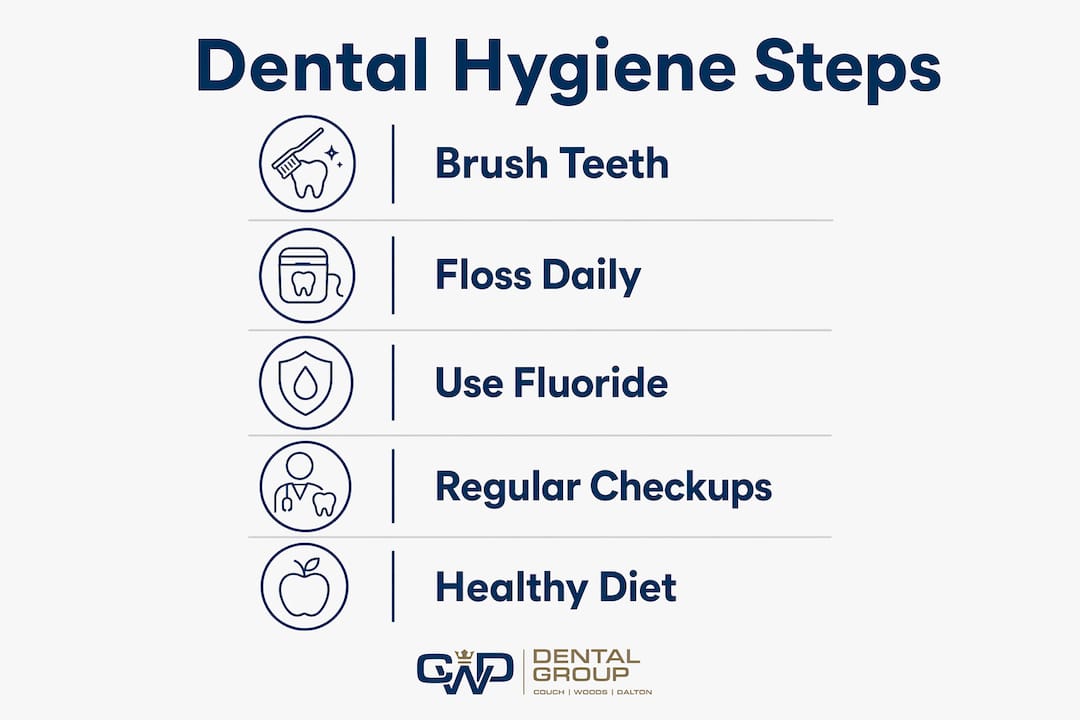
How diet shapes your child's cavity risk
What your child eats between meals matters as much as how often they brush. Cavity-causing bacteria feed on sugar and produce acid that attacks tooth enamel for up to 20 minutes after each exposure. A child who sips juice throughout the afternoon is giving bacteria a near-constant fuel supply.
The key dietary rules for protecting children's teeth are:
- Limit juice and sugary drinks. Fruit juice in sippy cups is one of the leading contributors to early childhood caries. Offer water or milk between meals instead.
- Time sugar exposure. Sugary snacks are less damaging when eaten as part of a meal rather than as standalone between-meal treats. Saliva production during meals helps neutralize acid.
- Choose tooth-friendly snacks. Cheese, yogurt, raw vegetables, and nuts do not feed decay-causing bacteria the way crackers, dried fruit, or gummy snacks do. Cheese in particular raises mouth pH and reduces acid damage.
- Avoid putting babies to bed with a bottle. Milk or juice pooling around teeth during sleep causes a specific pattern of decay called baby bottle tooth decay, which can destroy primary teeth rapidly.
The goal is not a sugar-free childhood. It is reducing the frequency of sugar contact with teeth, which is the actual driver of cavity risk. You can find more practical snacking strategies in this guide on dental tips for parents.
What professional preventive treatments does your child need?
Professional dental care for children follows a predictable schedule of preventive treatments that complement daily home care. These are not optional extras. They are the clinical backbone of age-appropriate dental care.

| Treatment | When it starts | Frequency | Purpose |
|---|---|---|---|
| Fluoride varnish | First dental visit | Every 6 months until age 5; every 3 months for high-risk children | Strengthens enamel and prevents early decay |
| Dental sealants | Around age 6 (first molars) | Once per molar group as teeth erupt | Prevents over 80% of cavities in permanent molars |
| Orthodontic screening | Age 7 | One-time screening; treatment as needed | Identifies bite and alignment issues early |
| Routine check-ups | Age 1 onward | Every 6 months | Monitors development, catches problems early |
Fluoride varnish frequency is not fixed. Clinicians tailor varnish application intervals based on each child's caries risk level, meaning a child with a high-sugar diet or a history of cavities may need treatment every three months rather than every six. Dental sealants deserve special attention. They are a thin plastic coating applied to the deep grooves of back molars where toothbrush bristles cannot reach. Applying them shortly after a molar erupts gives the best protection. Learn more about timing and benefits in this guide to dental sealants for kids.
Pro Tip: Ask your dentist to assess your child's caries risk at every visit. A formal risk assessment changes the treatment plan and can prevent unnecessary cavities without any extra effort from you at home.
Common challenges in keeping kids' dental care on track
Even parents who know the guidelines struggle with consistency. The most common obstacles are predictable, and each has a practical solution.
- Resistance to brushing. Young children often fight the toothbrush. Let them hold a second brush while you do the actual brushing. Giving them a sense of control reduces the battle without sacrificing effectiveness.
- Assuming independence too early. Children typically lack the fine motor coordination for thorough brushing until around age 10. A child who brushes alone at age six is almost certainly missing large areas of their teeth. Stay involved longer than feels necessary.
- Delaying flossing. Many parents wait until all baby teeth are present before starting floss. The correct trigger is contact between any two teeth, which can happen as early as age two or three.
- Inconsistent routines. Dental hygiene works best when it is non-negotiable, like putting on a seatbelt. Tying brushing to an existing habit, such as bath time or storytime, makes it automatic rather than a nightly negotiation.
- Skipping dental visits during healthy periods. Parents sometimes cancel check-ups when a child has no visible problems. Regular visits to a family dental guide provider catch issues before they become painful and expensive.
Why I think parents underestimate the supervision window
Most of the parents I speak with stop supervising brushing around age six or seven, right when children start school and seem more capable. That instinct makes sense, but the dental evidence points the other way. Children develop the fine motor control needed for thorough brushing closer to age ten, and the gap between "brushing independently" and "brushing effectively" is where most childhood cavities form.
The other misconception I see constantly is treating the first dental visit as optional until a problem appears. Reactive care costs more, causes more anxiety, and misses the entire point of age-appropriate dental care. A child who sees a dentist at age one learns that the dental chair is a normal, comfortable place. A child who first visits at age five with a toothache learns the opposite lesson, and that lesson sticks for decades.
Prevention is not just about avoiding cavities. It is about building a child's relationship with their own health. Parents who make dental care consistent and low-drama raise children who carry those habits into adulthood without being told to. That outcome is worth far more than any single filling avoided.
— Kayle
How Cwddentalgroup supports your family's dental care
Cwddentalgroup serves families in Tallahassee with the full range of age-appropriate dental services, from first birthday visits and fluoride varnish applications to sealants and routine check-ups for school-age children. The practice is built around accessibility. Same-day appointments mean you are never left managing a child's dental pain over a weekend.

If your child has a dental emergency, from a knocked-out tooth to sudden severe pain, Cwddentalgroup's Tallahassee emergency dental care team provides immediate attention without the wait. For families building a long-term dental home in Tallahassee, Cwddentalgroup offers the consistency, expertise, and warmth that make every visit something children can handle calmly.
FAQ
When should my child have their first dental visit?
The AAP recommends scheduling your child's first dental visit by their first birthday or within six months of the first tooth erupting. Early visits focus on education and prevention, not procedures.
How much toothpaste should I use for my toddler?
Use a rice-sized smear of fluoride toothpaste from the first tooth until age three, then switch to a pea-sized amount. The small quantity limits fluoride ingestion while still protecting enamel.
When do I start flossing my child's teeth?
Begin flossing as soon as two teeth touch each other, which can happen before age three. Assist your child with flossing until around age ten to make sure it is done correctly.
What are dental sealants and does my child need them?
Dental sealants are thin protective coatings applied to the grooves of back molars. They prevent over 80% of cavities in permanent molars and are typically recommended around age six when first molars erupt.
How often does my child need fluoride varnish?
Most children need fluoride varnish every six months until age five. Children at higher cavity risk may need it every three months. Your dentist will assess risk level and adjust the schedule accordingly.