
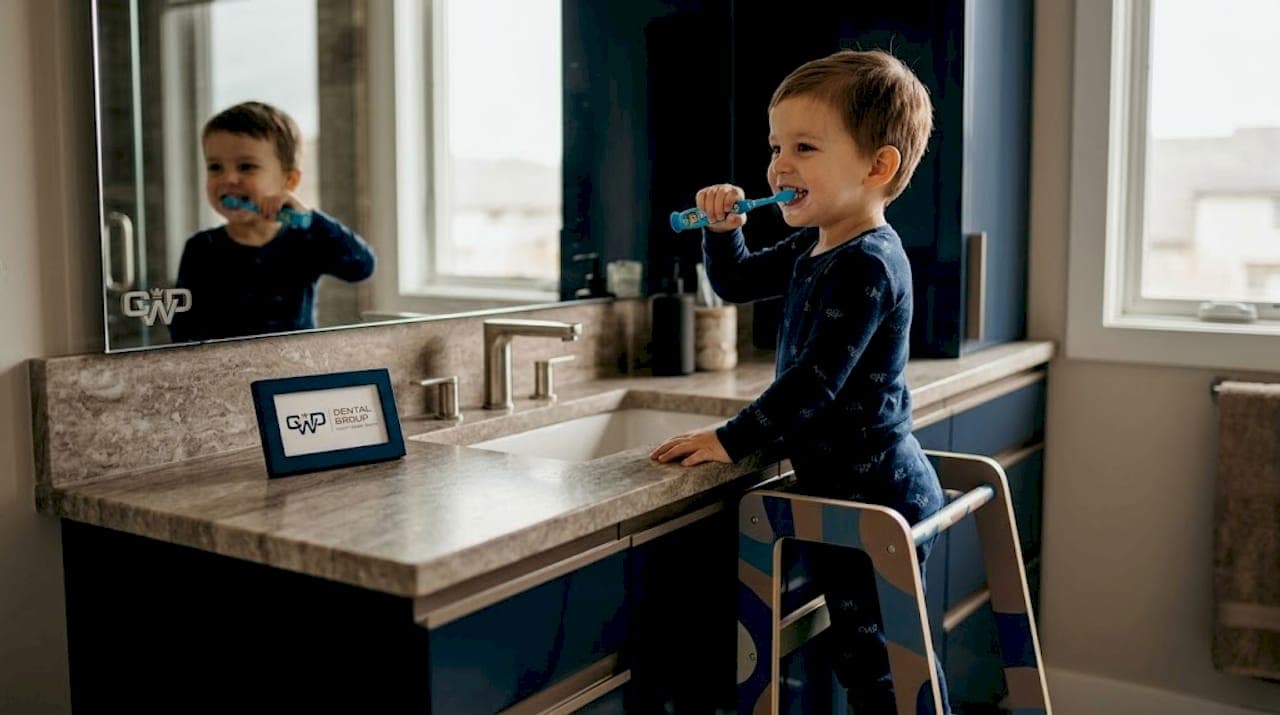
Getting your child to brush their teeth without a meltdown is one of parenting's most universal struggles. Yet building a solid dental care routine for kids matters far more than most parents realize. 11.1% of U.S. children ages 2 to 5 already have untreated tooth decay, and early cavities do not just hurt. They affect speech, nutrition, sleep, and confidence. This guide walks you through the right tools, age-specific techniques, diet choices, and strategies for handling resistance so you can build habits that actually stick.
Table of Contents
- Key takeaways
- Dental care routine for kids: tools you actually need
- Step-by-step brushing routine by age group
- Diet, habits, and what you put in the lunchbox
- Common challenges and how to handle them
- Monitoring your child's dental health over time
- My take on what actually moves the needle
- Your family's next step starts with the right dentist
- FAQ
Key takeaways
| Point | Details |
|---|---|
| Start brushing early | Begin brushing as soon as your child's first tooth appears, using a rice-grain-sized amount of fluoride toothpaste. |
| Supervise until age 7-8 | Most children lack the motor skills to brush effectively on their own until around second or third grade. |
| Diet matters as much as brushing | Limiting sugary and starchy snacks reduces cavity risk significantly, even when brushing is consistent. |
| Schedule regular dental visits | Children should see a dentist by their first birthday and every six months after that for preventive care. |
| Consistency beats perfection | Building a reliable brushing habit during toddler years matters more than brushing technique in the early stages. |
Dental care routine for kids: tools you actually need
Before you can teach your child good habits, you need the right gear. Not all toothbrushes and toothpastes are created equal, and choosing the wrong ones can make the whole process harder.
For children under 3, look for a soft-bristled brush with a small head designed for infant or toddler mouths. Manual brushes work just fine at this age, but if your child is fascinated by a battery-powered one, that enthusiasm alone can make brushing more cooperative. From ages 5 onward, an electric toothbrush with a built-in timer is a genuinely useful tool because it takes the guesswork out of how long to brush.
Toothpaste amounts matter more than most parents think. Here is a quick breakdown by age:
- Under 3 years: Rice-grain-sized smear of fluoride toothpaste
- Ages 3 to 6: Pea-sized amount of fluoride toothpaste
- Ages 6 and up: Pea-sized amount, and children should be spitting rather than swallowing
Floss picks or kid-sized flossers are far easier to use than traditional string floss for small mouths. You can introduce flossing as soon as two teeth are touching, which happens earlier than many parents expect.
| Age Stage | Toothbrush Type | Toothpaste Amount | Flossing? |
|---|---|---|---|
| 0 to 2 years | Soft infant brush or finger brush | Rice-grain smear | No (unless teeth touch) |
| 2 to 4 years | Small-head soft toddler brush | Rice-grain to pea-sized | Yes, with parent help |
| 5 to 7 years | Child soft-bristled or electric | Pea-sized | Yes, with parent assist |
| 8 to 12 years | Child or junior soft-bristled | Pea-sized | Independent with check-ins |
A two-minute timer, a low mirror at your child's eye level, and a dedicated rinse cup all lower the friction of getting started each morning and night. Small setup changes make a bigger difference than any lecture about why brushing matters.
Step-by-step brushing routine by age group
Children's dental hygiene needs shift significantly as they grow. What works for a 2-year-old will frustrate a 9-year-old, and vice versa. Here is how to adapt your approach at each stage.
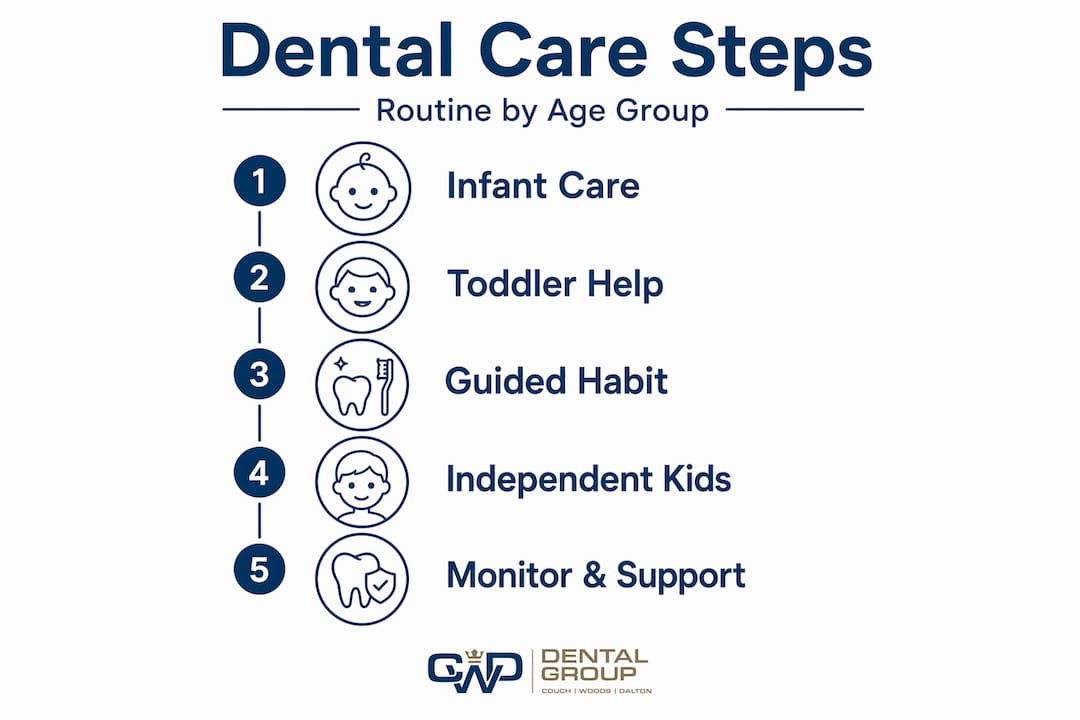
Ages 2 to 4: you do the brushing
At this stage, your child is the passenger, not the driver. The lap position works well for toddlers: sit down, lay your child back across your lap, and brush with a clear line of sight to all their teeth. This might feel awkward at first, but it gives you control and your child a sense of security.
- Apply a rice-grain smear of fluoride toothpaste to a soft infant or toddler brush.
- Hold the brush at a 45-degree angle to the gum line.
- Use small circular motions to clean the outer, inner, and chewing surfaces of each tooth.
- Brush for two full minutes, twice a day. Morning after breakfast and bedtime are the two best windows.
- Gently floss between any teeth that are touching, once daily at bedtime.
- Let your toddler "have a turn" after you finish so they feel involved, but know that their brushing is not cleaning anything yet.
Pro Tip: Play a two-minute song during brushing. Kids this age respond to music far better than instructions, and a consistent song becomes a powerful routine cue.
Ages 5 to 7: guided independence
At this age, children want to do it themselves. Let them try first, then do a "parent check" to finish the job. Parental supervision is critical until age 7 or 8 because most children simply do not have the fine motor coordination to reach every surface effectively. Think about it this way: a practical signal that your child is ready for independence is when they can tie their own shoelaces, because that is roughly the motor skill level required for thorough brushing.
Teach them to spit toothpaste rather than swallow it, but skip the rinse. Rinsing washes away the fluoride that keeps protecting their enamel after brushing.
Ages 8 to 12: building real ownership
This is the stage where children can take genuine ownership. Your job shifts from doing to monitoring. Check in regularly by looking at their teeth under good lighting and asking them to demonstrate their technique. You can also find more detailed tips on building strong habits that carry into their teenage years.
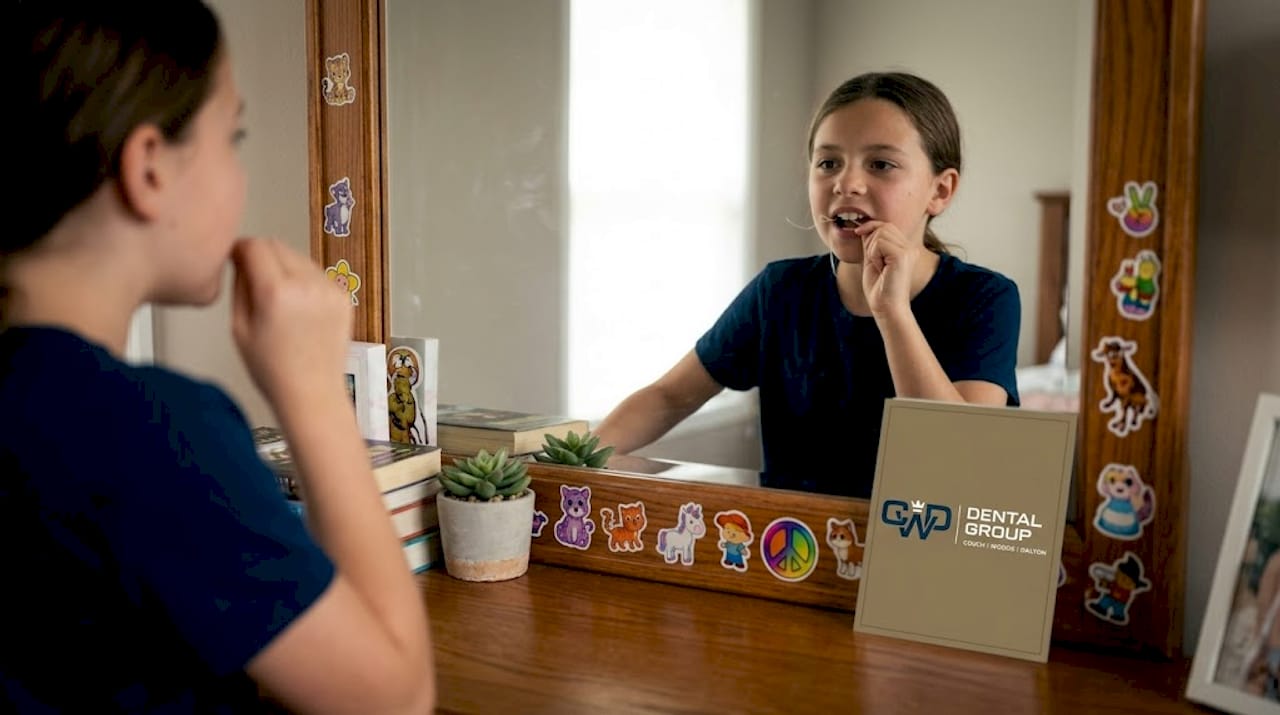
The frequency and duration stay constant across all age groups: two minutes, twice a day. That is not negotiable regardless of how old your child is.
Diet, habits, and what you put in the lunchbox
Brushing alone cannot win against a diet loaded with sugar and starch. Sugary and starchy foods, including gummy snacks, juice pouches, and crackers, stick to tooth enamel and feed the bacteria that cause decay. Frequency matters as much as quantity. A child who sips juice all afternoon does more damage than one who drinks it in one sitting with a meal.
Here are foods worth keeping in regular rotation as healthy snacks for kids' teeth, alongside ones to limit:
Tooth-friendly choices:
- Fresh fruit, vegetables, and cheese
- Plain water (especially fluoridated tap water)
- Unsweetened yogurt
- Nuts and seeds for older children
Higher cavity-risk foods to limit:
- Gummy vitamins and fruit snacks
- Juice, sports drinks, and flavored milk
- Crackers, chips, and starchy processed snacks
- Sticky dried fruit like raisins
Avoiding bedtime bottles filled with milk, juice, or formula is one of the most impactful things you can do for a toddler's dental health. When liquid pools around teeth during sleep, it creates the ideal environment for rapid decay.
Beyond diet, fluoride varnish applied every six months is one of the most effective preventive tools available and is covered by most health insurance plans. Dental sealants, thin coatings applied to the back molars, are another layer of protection worth discussing with your child's dentist.
Children should visit a dentist by age one, or within six months of the first tooth appearing. Many parents wait until age 3 or 4, which means early decay can go undetected. To reduce anxiety around visits, keep your language neutral. Avoid words like "shot," "pain," or "drill" when talking about appointments, and frame the dentist as someone who helps keep teeth strong.
Common challenges and how to handle them
Even with the best setup, you will run into resistance. Here is what actually works when things get hard.
The most common mistake parents make is allowing children to brush independently too soon. It feels like a win for cooperation, but it usually means large areas of the mouth go unbrushed for months or years. The second most common mistake is skipping floss entirely because it feels like one battle too many.
A few strategies that genuinely help:
- Offer controlled choices. Ask your child whether they want to brush upstairs or downstairs, or which song to play. Control over small decisions reduces overall resistance.
- Use a chart with stickers. Visual progress is motivating for children ages 3 to 8. Seeing a full row of stickers at the end of the week creates a positive association with the routine.
- Brush together. Children imitate what they see. If you brush at the same time, you model the behavior without saying a word.
- Stay consistent even on hard nights. One skipped bedtime becomes two, then three. The routine is more powerful than any individual brushing session.
Pro Tip: Position yourself behind your child when brushing their teeth. Standing behind them gives you the same angle a dentist uses and makes it much easier to reach the back teeth properly.
Normal resistance during toddler years is not a sign you are doing it wrong. Allowing some imperfection while maintaining consistency is far better than turning every brushing session into a power struggle. Focus on building a positive association with the routine. That foundation pays off more than any single perfect brushing session.
Monitoring your child's dental health over time
A good routine at home is only part of the picture. Monitoring and professional care fill in the gaps that even careful parents cannot see with the naked eye.
At home, run your finger along your child's teeth periodically and look for white spots near the gum line. White spots are early signs of demineralization, which is the first stage of decay, and they are reversible with fluoride if caught early. Look also for any discoloration, chipping, or sensitivity when your child eats cold or sweet foods.
Professional visits add tools that home checks cannot replicate:
- X-rays: Regular dental visits allow early cavity detection via X-rays before pain ever starts, making treatment faster and less costly.
- Professional cleanings: Remove tartar buildup that brushing and flossing cannot address.
- Fluoride varnish: Applied at checkups for an extra layer of cavity protection.
- Sealant application: Typically recommended for permanent molars as they come in, usually around ages 6 to 12.
If your child chips a tooth, complains of lasting pain, or has a dental injury during sports, that is an emergency. Having a go-to provider you can call the same day removes a significant amount of parental stress in those moments. Treat the dental check-up schedule for children as non-negotiable, just like well-child visits with your pediatrician. Six-month intervals are the standard for good reason. They catch small problems before they become painful, expensive ones.
As children approach the middle school years, start shifting responsibility to them while keeping open conversations about why it matters. A 12-year-old who understands the connection between what they eat, how they brush, and the health of their teeth is building an adult habit. That is the real goal.
My take on what actually moves the needle
I have seen a lot of parents come in worried that they are doing everything wrong because their 4-year-old refuses to open their mouth or their 7-year-old brushes for about 11 seconds. Here is what I have actually learned: the technique matters far less at age 3 than the habit does.
What I think works in the real world is getting realistic about the toddler years. A child who cheerfully lets you brush their teeth for two minutes, even imperfectly, is in a far better position than one whose parents gave up because it was too hard. The associations built in those early years stick. Kids who have calm, consistent brushing routines tend to walk into dental offices without panic, which makes every future visit easier for everyone.
The piece I see undervalued most is parental modeling. I genuinely believe children learn more from watching than from being told. Brush your own teeth next to them. Let them see you floss. Make it ordinary instead of a battle. That alone shifts the dynamic in households where brushing has become a nightly negotiation.
One more thing worth naming directly: do not wait until you see a problem to call your dentist. Early visits, starting around age one, shape how your child thinks about dental care for the rest of their life. I have never met an adult who regretted starting early. I have met plenty who wish they had.
— Kayle
Your family's next step starts with the right dentist
If you are building a dental care routine for kids from the ground up, or if it has been longer than six months since your child's last visit, now is a good time to schedule professional support.

At Cwddentalgroup in Tallahassee, the team works with families across every stage of childhood, from infant oral care to adolescent preventive treatments. If you need guidance on dental care for infants or want to bring older kids in for their six-month cleaning, same-day appointments are available. And if something goes wrong suddenly, like a chipped tooth or dental pain, Cwddentalgroup offers same-day emergency dental care so you are never left waiting when it matters most. Friendly, experienced, and built around your family's comfort.
FAQ
When should I start a dental care routine for my child?
Start brushing as soon as your child's first tooth appears, using a rice-grain-sized smear of fluoride toothpaste twice daily. Most children get their first tooth between 6 and 10 months of age.
How long should kids brush their teeth?
Children of all ages should brush for two full minutes, twice a day. A timer or two-minute song helps keep the session on track, especially for younger children.
At what age can kids brush their teeth on their own?
Most children are not ready to brush effectively without help until around age 7 or 8, when their fine motor skills are developed enough. A practical guide is whether they can tie their own shoelaces without help.
How do I get my toddler to cooperate with brushing?
Offer small choices, use a consistent song or timer, and let them have a "turn" after you finish. Keeping the routine calm and predictable matters more than any single technique.
How often should children see a dentist?
Children should have their first dental visit by age one and return every six months for routine checkups, cleanings, and fluoride varnish. Regular visits catch problems early, before they become painful or expensive to treat.