
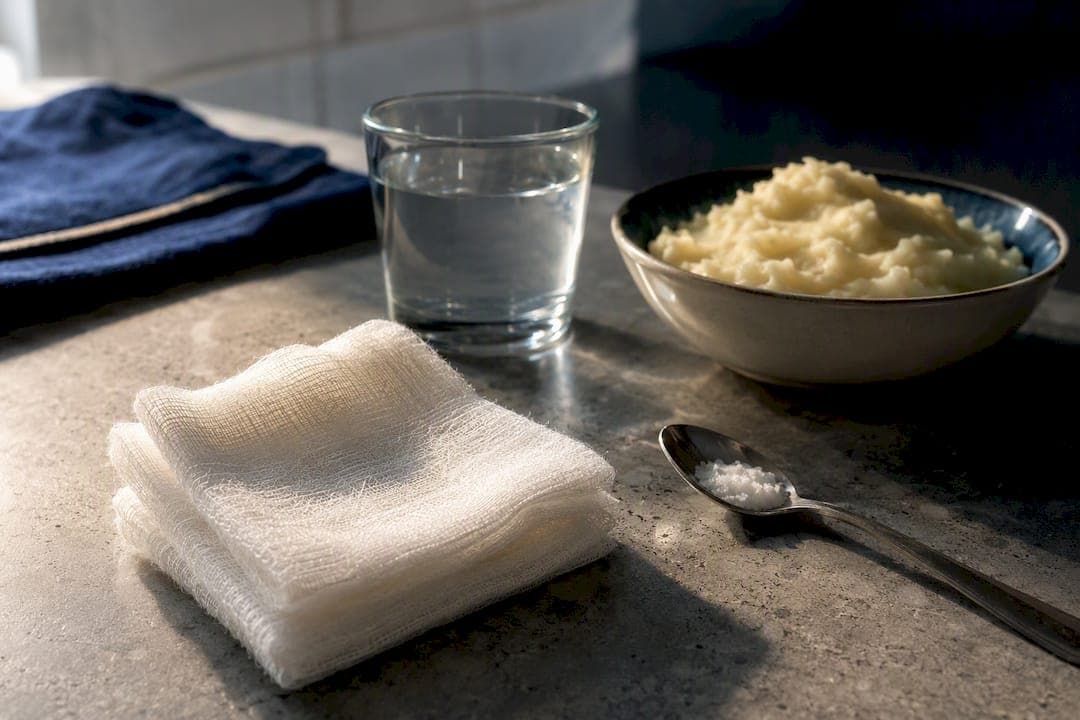
Yes, you can substantially lower your risk of dry socket: keep nicotine out of your system, avoid straws and forceful spitting, follow your surgeon's post-op sheet to the letter, and start gentle saltwater rinses only when directed. These four habits protect the blood clot sitting in your socket, and that clot is doing almost all the healing work in your first week.
TL;DR:
- Smoking or using nicotine products increases the risk of dry socket by more than six times, making abstinence essential in the early healing period.
- The highest risk window for dry socket extends from day two to day four after extraction, with symptoms often worsening instead of improving.
- Saltwater rinses become safe and helpful only around 24 hours post-extraction, provided they are gentle and properly timed to avoid dislodging the clot.
- Post-operative behaviors such as vigorous spitting, using straws, and forceful nose blowing should be avoided for at least three days to protect the blood clot.
- Proper extraction technique and immediate post-op care, including avoiding nicotine and following soft food guidelines, significantly lower the odds of developing dry socket.
Table of Contents
- What Is Dry Socket and Why Does the Blood Clot Matter?
- Dry Socket Symptoms and Who's Most at Risk
- Your Prevention Checklist: What to Do From Hour 0 to Day 3 and Beyond
- If You Suspect Dry Socket, Here's What Happens Next
- Why This Advice Comes From Real Clinical Practice
- The Part of This Advice People Skip, and Why That's a Mistake
- Get Same-Day Care If Something Feels Off After Extraction
- Sources
- FAQ
What Is Dry Socket and Why Does the Blood Clot Matter?
Dry socket, known clinically as alveolar osteitis, happens when the blood clot in your extraction site gets dislodged or breaks down before the bone underneath has a chance to heal over. That clot isn't just a scab. It seals the exposed bone and nerve endings, blocks bacteria and food debris from getting in, and acts as the scaffold new tissue grows across.
When the clot disappears too early, the bone is left exposed to air, saliva, and bacteria. That's what produces the sharp, throbbing pain patients describe, often radiating up toward the ear or eye.
Normal healing usually looks like this:
- Day 1 to 3: swelling and moderate pain that gradually eases
- Day 3 to 5: pain should be trending down, not up
- Day 5 to 10: soft tissue starts closing over the socket
- Two weeks: most of the visible gum tissue has sealed
Dry socket typically announces itself when pain spikes rather than fades, usually a few days after the fading should have started.
Dry Socket Symptoms and Who's Most at Risk
The clearest tell is pain that gets worse instead of better, usually starting two to four days after extraction. Other signs include a visible empty-looking socket, exposed bone that looks whitish or grayish, a foul taste or bad breath that won't go away, and pain that radiates to your ear, temple, or neck on the same side. If you're noticing any of these, our guide to dry socket symptoms walks through what warrants a same-day call versus what's normal healing discomfort.
Research pooled from clinical reviews found dry socket affects roughly 20.6% of extraction patients by 48 hours and 41.2% by two weeks, with risk climbing sharply based on specific behaviors and conditions.
The biggest modifiable risk factor by far is smoking or using any nicotine product, which carries an odds ratio of 6.41 in that same data, meaning smokers face more than six times the risk of non-smokers. Poor oral hygiene showed an even higher odds ratio of 9.53, and more complex or difficult extractions carried an odds ratio of 3.27. In plain terms: the messier the surgery and the less careful the aftercare, the higher your odds.
Other risk factors get discussed more than the evidence supports. Gender and oral contraceptive use show up in older literature, but more recent reviews find surgical technique and local infection history are far more consistent predictors. Don't get distracted by factors you can't control. Focus on the ones you can, and ask your dentist about anything specific to your case.
Your Prevention Checklist: What to Do From Hour 0 to Day 3 and Beyond

Protecting the clot is a timeline problem. What's safe on day three can be dangerous on day one. Here's how to sequence it.
The first 24 hours are about doing almost nothing to the site.
- Bite down gently on the gauze your dentist gave you for 30 to 45 minutes, replacing it if it's soaked through.
- Rest with your head elevated and skip any rinsing, spitting, or drinking through a straw entirely.
- If bleeding continues, bite on a fresh piece of gauze or a moistened tea bag, since the tannins help clotting.
- Take pain medication before the local anesthetic fully wears off rather than waiting for pain to build.
- Stick to lukewarm, soft foods like broth, yogurt, or applesauce. Nothing hot enough to melt the clot, nothing chewy enough to disturb it.
Suction is the enemy here. Straws, aggressive spitting, and vigorous swishing all create negative pressure that can pull the clot right out of the socket, which is exactly why the Cleveland Clinic's guidance on dry socket puts avoiding suction near the top of every prevention list.
From 24 to 72 hours, you can start being gentler with the site, not more aggressive.
Once your dentist gives the go ahead, usually around the 24 hour mark, warm saltwater rinses become useful. Mix half a teaspoon of salt into a cup of warm water. Tilt your head so the liquid flows gently over the socket rather than swishing it around your mouth. Let it fall out into the sink instead of spitting.

Pro Tip: Think of the rinse as a gentle bath, not a mouthwash. If you feel yourself building pressure to swish or spit, stop and let gravity do the work instead.
Soft foods stay the rule through at least day three: mashed potatoes, scrambled eggs, smoothies without a straw, and pasta. Brush your other teeth normally, but keep the brush away from the extraction site for several days and let rinsing do the cleaning work there instead.
Behaviors to avoid for at least 72 hours, no exceptions: smoking, vaping, chewing tobacco, vigorous exercise that raises blood pressure, and forceful nose blowing if you had upper extractions. Nicotine in any form constricts blood vessels and starves the healing site of blood flow, and that risk doesn't disappear with a switch from cigarettes to vapes or dip.
Some dentists add chlorhexidine rinse or gel to the routine, and for good reason. A systematic review of prevention strategies found chlorhexidine has the strongest evidence of any prophylactic agent for reducing alveolar osteitis. Your dentist may also apply a medicated dressing, or in select cases, platelet-rich fibrin (PRF) to support soft tissue healing, though PRF isn't used routinely for every extraction.
For pain control, over-the-counter NSAIDs like ibuprofen taken on a schedule your provider sets, rather than waiting until pain flares, tend to keep the healing environment more stable. What you generally won't need is a course of antibiotics. The same review noted above specifically advises against routine antibiotic prophylaxis for dry socket prevention in patients without other complicating infections, a point worth raising if a prescription feels automatic rather than case-specific.
If You Suspect Dry Socket, Here's What Happens Next
Pain that spikes on day three or four, especially with a bad taste or visible empty socket, means it's time to call rather than wait it out. While you're waiting for your appointment, keep pressure off the site by avoiding chewing on that side, stick with soft or liquid foods, and take your pain medication as directed rather than pushing through it.
At the office, a dentist typically does the following:
- Examines and gently irrigates the socket to flush out debris
- Places a medicated dressing (often containing clove oil or a similar analgesic) directly in the socket
- Prescribes or adjusts pain medication if over-the-counter options aren't cutting it
- Schedules a follow-up to change the dressing, sometimes more than once over the following week
Most patients feel meaningful relief within a day of the dressing being placed, which is one reason getting seen promptly matters more than trying to tough it out. Certain symptoms mean don't wait for a scheduled slot: a fever, swelling that's spreading rather than stable, or bleeding you can't control with gauze and pressure. Those warrant an urgent visit, not a next-available appointment. If you're unsure whether what you're feeling crosses that line, our breakdown of wisdom tooth swelling timelines can help you judge normal versus concerning.
Why This Advice Comes From Real Clinical Practice
This guidance draws on clinical prevalence data, systematic reviews on chlorhexidine and prophylaxis, and aftercare protocols used in practice, not general internet wisdom about tooth extractions. It's written by Kayle for CWD Dental Group, a Tallahassee practice offering same-day emergency appointments for exactly the kind of post-extraction complications covered here.
If you're a current patient noticing symptoms that match what's described above, don't wait through a normal booking cycle. Call for a same-day evaluation. A typical visit for suspected dry socket takes 20 to 30 minutes: an exam, gentle irrigation, a medicated dressing, and a plan for follow-up. You can also browse the full range of dental services the practice handles beyond emergency visits, from routine cleanings to surgical extractions done with clot preservation in mind from the start.
The Part of This Advice People Skip, and Why That's a Mistake
Most patients treat the first 24 hours as the danger zone and relax once they've made it past day one without bleeding through their gauze. That's backwards. The prevalence data shows dry socket incidence roughly doubles between 48 hours and two weeks, which means the riskiest window is longer than the "just survive the first night" mindset suggests.
The other place conventional advice falls short is antibiotics. Plenty of patients expect a prescription as standard practice and feel shortchanged without one, when the actual evidence argues against routine use for prevention. Chlorhexidine, a well-timed saltwater rinse, and staying off nicotine do more real work than a pill most patients don't need.
If you take one thing from this article, make it the clot mindset: for the first three days, your job isn't to clean the socket, it's to leave it alone and let your body do what it already knows how to do. Everything else, the rinsing technique, the soft foods, the timing, exists to support that one principle.
— Kayle
Get Same-Day Care If Something Feels Off After Extraction
Some dental practices offer same-day options for patients experiencing post-extraction pain, avoiding long waits for evaluation of dry socket symptoms.

Prevention starts with your dentist doing the extraction carefully in the first place. Cwddentalgroup's surgical team performs extractions, including wisdom teeth, with clot preservation and minimal trauma to surrounding bone built into the technique, which lowers your baseline risk before aftercare even begins. That matters because surgical complexity is one of the strongest predictors of dry socket in the clinical data above. If you're a current patient with symptoms that concern you, or you know you're prone to complications from a past extraction, the practice's emergency dental care page outlines what a same-day visit covers and what to expect walking in. Call ahead, describe your symptoms, and get seen the same day rather than riding out pain that's telling you something is wrong.
This article is general information, not a substitute for advice from a qualified doctor. Consult a qualified healthcare professional about your own circumstances before acting on anything here.
Sources
- PMC article: clinical data on alveolar osteitis
- Dry Socket: Symptoms, Causes & Treatment — Cleveland Clinic
- NCBI Bookshelf: review on alveolar osteitis prevention
FAQ
What are the odds of getting a dry socket?
Overall odds are moderate but rise sharply with certain behaviors. Clinical data shows dry socket occurs in about 20.6% of patients by 48 hours and 41.2% by two weeks, with smoking, poor oral hygiene, and complex extractions driving most of that risk upward.
Can saltwater rinses prevent dry socket?
Gentle saltwater rinses support healing once your dentist clears you to start, usually around 24 hours post-extraction, by keeping the site clean without disturbing the clot. Started too early or done too aggressively, though, the same rinse can dislodge the clot it's meant to protect, so timing and technique matter as much as the rinse itself.
What are the riskiest days for dry socket?
Symptoms most often appear between day two and day four after extraction, with risk continuing to climb through the two-week mark rather than dropping off after the first day. That's longer than most patients expect, which is why sticking to aftercare rules well past day one matters.
What is the number one cause of dry socket?
Premature loss of the blood clot from the socket is the direct cause, and smoking or using any nicotine product is the single biggest behavioral trigger behind that loss. Nicotine constricts blood vessels and, combined with the suction motion of smoking or vaping, makes it one of the clearest preventable risks a patient controls.