
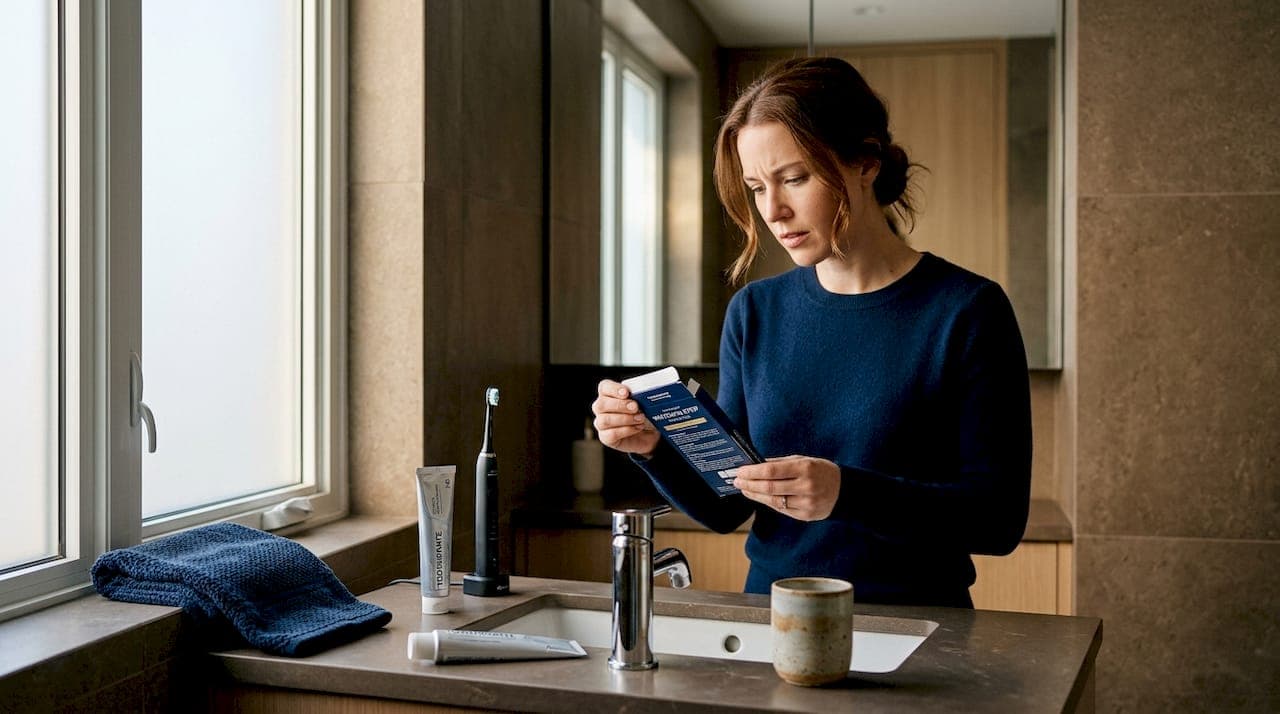
Your morning coffee, a glass of red wine, years of tea drinking. These are the everyday habits that slowly shift your teeth from white to yellow, and most people don't notice until the damage is done. When you decide to do something about it, the options feel overwhelming. Whitening strips, in-office treatments, custom trays, LED kits. Knowing how to choose teeth whitening treatment options that actually work for your specific situation is the difference between wasting money and walking away with real results.
Table of Contents
- Key takeaways
- How to choose teeth whitening treatment options that fit your needs
- Matching treatment to your stain type and sensitivity
- How to use whitening treatments safely and effectively
- Maintaining your results after whitening
- My honest take on choosing whitening treatments
- Ready to whiten with professional guidance?
- FAQ
Key takeaways
| Point | Details |
|---|---|
| Match treatment to stain type | Extrinsic stains respond well to most methods; intrinsic stains need stronger or professional approaches. |
| Peroxide concentration drives results | Higher peroxide means faster whitening but greater sensitivity risk. Choose based on your tolerance. |
| Restorations don't whiten | Crowns, veneers, and bonding stay the same shade, so consult a dentist before whitening if you have them. |
| Sensitivity is common but manageable | About 55–75% of users experience sensitivity, but it typically resolves within 24–48 hours with proper protocol. |
| Professional results last longer | In-office and custom tray whitening last up to 12 months; strips last 3–6 months; toothpaste only works while you use it. |
How to choose teeth whitening treatment options that fit your needs
Not all whitening methods are created equal, and understanding what separates them is the first step toward making a smart choice. The three main tiers of treatment come down to where the whitening happens and how strong the peroxide is.
In-office professional whitening uses 25–40% hydrogen peroxide applied directly by a dentist. It delivers the fastest results, often several shades lighter in a single appointment, and the effects typically last 6 to 12 months. The tradeoff is cost. Professional teeth whitening in a clinical setting runs between $300 and $1,000 depending on the practice and the system used.
Custom take-home trays from your dentist use carbamide peroxide at concentrations of 15–35%. These are worn for a set number of hours each day over two to four weeks. Results are gradual but comparable to in-office treatment over time, and they cost $250 to $500. The tray is fitted to your teeth, which means better gel contact and less gum irritation than generic options.
Over-the-counter products cover strips, gels, and whitening toothpaste. Strips and gels typically contain 6–14% hydrogen peroxide and cost $20 to $60. They work, but more slowly, and results last 3 to 6 months. Whitening toothpaste costs $5 to $15 and only maintains brightness while you keep using it.
Here is a quick comparison of the main methods:
| Method | Peroxide level | Cost | Duration of results |
|---|---|---|---|
| In-office whitening | 25–40% HP | $300–$1,000 | 6–12 months |
| Custom take-home trays | 15–35% CP | $250–$500 | 6–12 months |
| OTC whitening strips | 6–14% HP | $20–$60 | 3–6 months |
| Whitening toothpaste | Minimal abrasive | $5–$15 | Only during use |
One thing worth knowing about LED accelerator kits: the light itself provides limited incremental benefit. The actual whitening comes from the peroxide concentration and how long it stays on your teeth. LED is an add-on, not a replacement for gel strength.
Pro Tip: If you are comparing at-home whitening kits, check the peroxide percentage on the label. A strip with 10% hydrogen peroxide will outperform a "premium" kit with 3% every time, regardless of how the packaging looks.
Matching treatment to your stain type and sensitivity
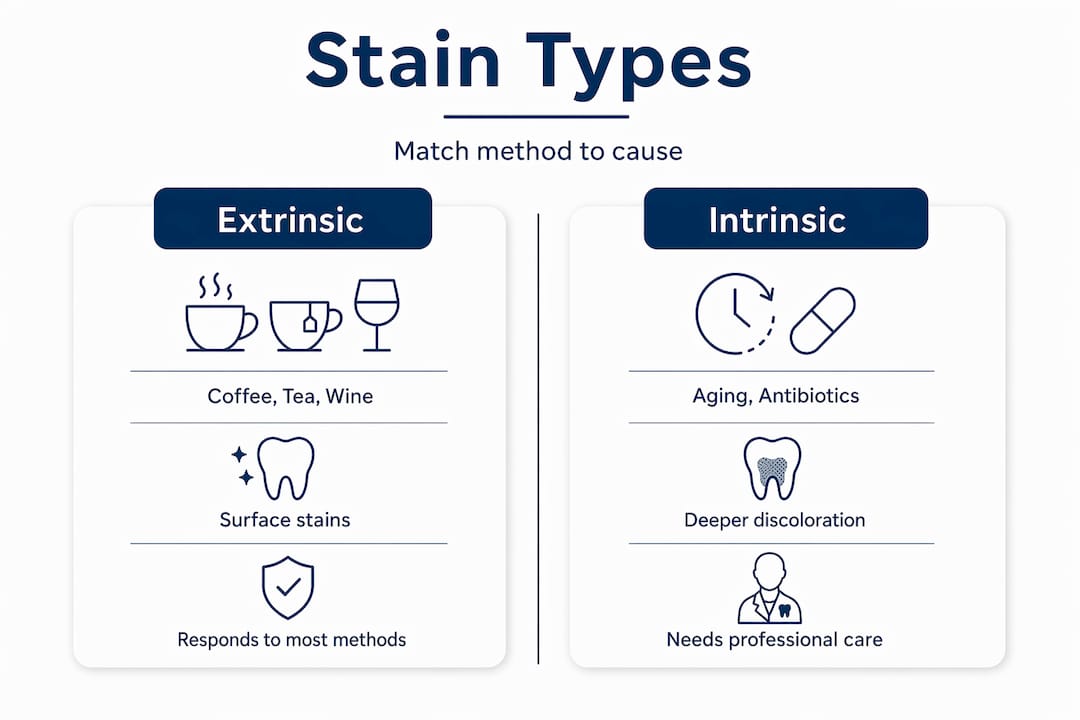
Before you buy anything, you need to understand what kind of staining you are dealing with. This single factor shapes which treatments will actually work for you.
Extrinsic stains sit on the surface of the enamel. They come from coffee, tea, red wine, tobacco, and certain foods. These respond well to most whitening methods because the peroxide can reach and break down the stain compounds directly. If your discoloration is mostly from lifestyle habits, you have the most flexibility in choosing a treatment.
Intrinsic stains are deeper. They form inside the tooth structure itself, often from aging, certain antibiotics like tetracycline, or trauma. These respond less predictably to standard whitening. You may need higher concentrations, longer treatment periods, or a dentist-supervised approach to see meaningful change.
What restorations mean for your whitening plan
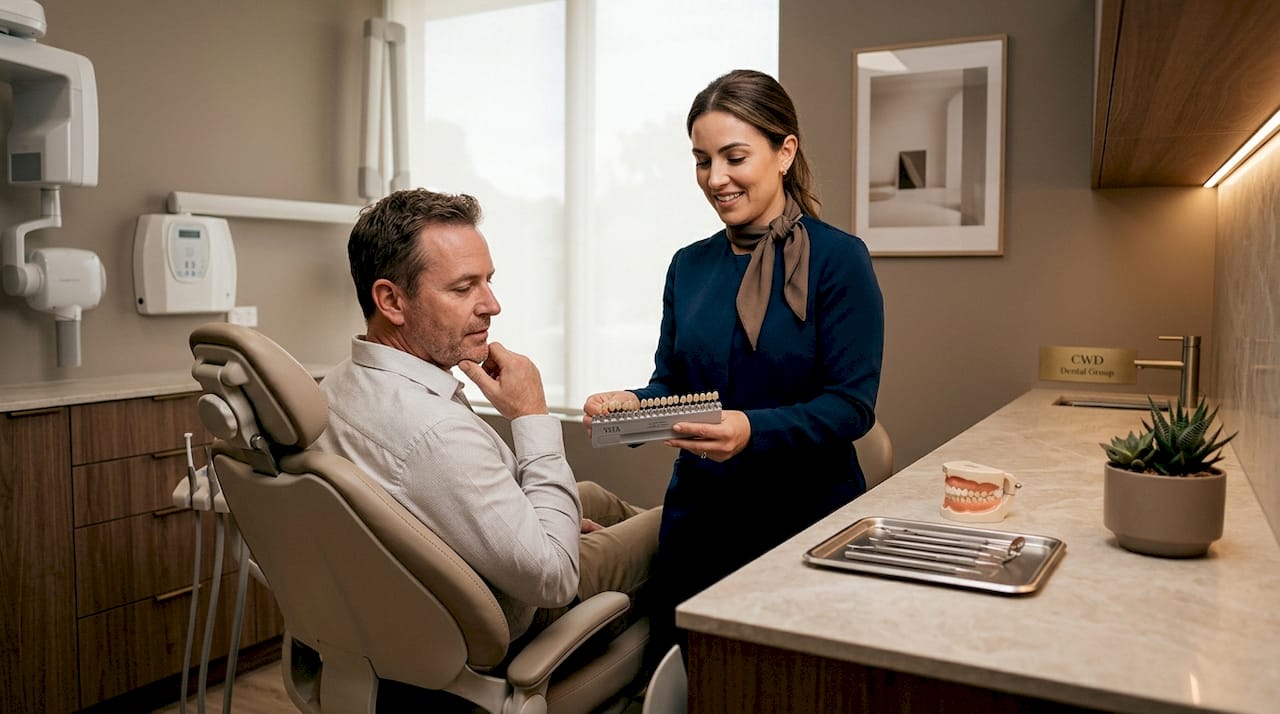
If you have crowns, veneers, or bonding on your visible teeth, you need to know this before you start: restorations do not whiten. Peroxide only works on natural tooth enamel. If you whiten your natural teeth without accounting for existing restorations, you can end up with mismatched shades. The standard approach is to whiten your natural teeth first, then have your restorations adjusted to match. A dentist can help you plan this correctly. You can learn more about identifying your stain type by reading about professional stain assessment before committing to a method.
Sensitivity considerations
Sensitivity is the most common reason people stop whitening mid-treatment. Higher peroxide concentrations whiten faster but increase sensitivity risk. For context, 10% carbamide peroxide is roughly equivalent to 3.5% hydrogen peroxide in terms of whitening action.
If you already have sensitive teeth, start with lower concentrations and slower regimens. OTC strips at 6–10% hydrogen peroxide or dentist trays at the lower end of carbamide peroxide are safer starting points. Do not chase speed at the expense of comfort.
A few situations where you should talk to a dentist before starting any whitening treatment:
- You have untreated cavities or gum disease
- You are pregnant or breastfeeding
- You are under 16 years old
- You have visible restorations on front teeth
- You have experienced severe sensitivity from whitening before
Pro Tip: Use a desensitizing toothpaste for two weeks before starting a whitening regimen. It pre-loads potassium nitrate into the tooth tubules and meaningfully reduces sensitivity during treatment.
How to use whitening treatments safely and effectively
Getting results from whitening is not just about buying the right product. How you use it matters just as much.
-
Clean your teeth thoroughly before applying any whitening product. Plaque and surface debris block the peroxide from reaching the enamel. Brush and floss before every whitening session, not after.
-
Follow the timing instructions exactly. Leaving strips or gel on longer than directed does not whiten more. It increases sensitivity and can irritate your gums without adding whitening benefit.
-
Apply gel only to natural teeth if you have restorations. Avoid getting whitening gel on crowns or veneers. It will not affect them, but it can create an uneven appearance as your natural teeth lighten around them.
-
Space out your sessions. Sensitivity affects 55–75% of whitening users, but it typically resolves within 24 to 48 hours. If you experience discomfort, skip a day rather than pushing through.
-
Use desensitizing gel or toothpaste between sessions. Stepping down peroxide strength and extending treatment intervals when sensitivity appears is a standard clinical approach. Apply it the same way you would whitening gel to calm the teeth between sessions.
-
Do not eat or drink anything colored for at least an hour after whitening. Your enamel is temporarily more porous after peroxide exposure. Coffee, tea, or red wine during this window can re-stain faster than usual.
Sensitivity after whitening is usually a protocol problem, not a peroxide problem. Most people who experience discomfort are either using too high a concentration for their baseline sensitivity or leaving the product on too long. Adjusting these two variables resolves the issue in the vast majority of cases.
Maintaining your results after whitening
Whitening is not a one-time fix. Understanding how long results last and what affects them helps you plan realistically.
Professional in-office whitening lasts 6 to 12 months, as do custom tray treatments. OTC strips deliver results that fade within 3 to 6 months. Whitening toothpaste only maintains brightness as long as you keep using it. For a deeper look at why no whitening method is truly permanent, the article on whitening longevity expectations explains the science behind color regression.
Here are the habits that most directly affect how long your results hold:
- Avoid staining foods and drinks like coffee, tea, red wine, and tomato-based sauces, especially in the 48 hours after a whitening session when enamel is most vulnerable
- Use a whitening toothpaste between treatment cycles to slow color regression without re-exposing teeth to full peroxide concentrations
- Rinse with water immediately after consuming staining beverages if you cannot brush
- Schedule touch-up sessions before your results fully fade rather than waiting until you are back at baseline
Pro Tip: Keep a small supply of whitening strips on hand for touch-ups before events. A single two-day strip session every two to three months extends the life of professional results significantly.
Color variation over time is normal. Your teeth will gradually shift back toward their natural shade. That is not a product failure. It is biology. The goal is to manage the rate of regression, not to expect permanent white.
My honest take on choosing whitening treatments
I have seen a lot of people spend real money on whitening systems that were never going to work for their specific situation. In my experience, the biggest mistake is skipping the assessment step and going straight to the product.
What I have learned is that the professional evaluation is not just a sales pitch for expensive treatment. A dentist can tell you whether your staining is extrinsic or intrinsic, whether you have restorations that will complicate results, and whether your enamel is healthy enough to tolerate peroxide at all. Without that information, you are guessing.
I am also skeptical of the marketing around LED whitening devices. The research is clear: LED accelerators add minimal benefit beyond what the gel itself does. If you see a kit priced at $150 because of a fancy light attachment, you are mostly paying for the light.
My honest recommendation for most people is to start with a dentist consultation, even if you ultimately choose an OTC product. You will know exactly what you are working with, and you will not waste money on the wrong approach. For people with sensitivity concerns, the slower carbamide peroxide tray approach almost always produces better outcomes than jumping to high-concentration strips and quitting because of discomfort.
The best whitening treatment is the one you can actually complete without pain. Slow and steady wins here.
— Kayle
Ready to whiten with professional guidance?
If you have been going back and forth on which whitening option is right for you, a professional consultation cuts through the guesswork fast.
At Cwddentalgroup in Tallahassee, the team offers both in-office whitening and custom take-home tray options, with guidance tailored to your stain type, sensitivity level, and goals. You get the benefit of a clinical assessment before any product touches your teeth, which means better results and fewer surprises. If you are ready to move forward, you can schedule a visit and get a personalized recommendation from an experienced dental professional. For any urgent dental concerns that come up along the way, Cwddentalgroup also provides same-day emergency care so you are never left waiting.
FAQ
What is the most effective teeth whitening method?
In-office professional whitening using 25–40% hydrogen peroxide delivers the fastest and most dramatic results, often several shades in one session. Custom dentist-supervised trays produce comparable results over two to four weeks at a lower cost.
How do I pick a whitening option if I have sensitive teeth?
Start with lower peroxide concentrations such as OTC strips at 6–10% hydrogen peroxide or dentist trays with carbamide peroxide at the lower range. Slower regimens with desensitizing toothpaste between sessions reduce discomfort significantly.
Will whitening work on crowns or veneers?
No. Whitening agents only affect natural tooth enamel. Crowns, veneers, and bonding will not change shade, which can create a mismatch if you whiten surrounding natural teeth without planning for restoration adjustments.
How long does teeth whitening last?
In-office and custom tray whitening typically last 6 to 12 months. OTC strips last 3 to 6 months. Results depend heavily on diet, oral hygiene habits, and whether you schedule periodic touch-up sessions.
Is it safe to whiten teeth at home without a dentist?
OTC whitening products are generally safe when used as directed, but you should consult a dentist first if you have cavities, gum disease, restorations on front teeth, or a history of severe sensitivity. Untreated dental issues can make whitening painful or ineffective.
Recommended
- The Myth of Permanent Teeth Whitening: What You Need to Know — CWD Dental Group
- Teeth Stain Removal Dentist 2025: Radiant Smiles — CWD Dental Group
- Stopping Tooth Decay Modern Cavity Treatments for Children — CWD Dental Group
- Cosmetic and Advanced Dentistry: Unlock Your Perfect Smile 2025 — CWD Dental Group